What exactly is the fourth wave of coffee? The answer depends on whom and where you ask. The term follows three earlier shifts in coffee culture—the first made coffee a mass-market product through instant and pre-ground coffee; the second turned it into an experience through cafés, espresso-based drinks and chains; and the third shifted attention back to the bean, bringing origin, processing, roasting and brewing into the conversation.
Is India Living In The Fourth Wave Of Coffee?
India’s coffee culture is evolving beyond the third wave, with producers, roasters and chefs experimenting with fermentation, Indian terroir and coffee as an ingredient. But is this the beginning of a fourth wave?

Advertisement
The fourth wave is less clearly defined. Broadly, it takes the concerns of speciality coffee further into the supply chain and into the laboratory—fermentation, processing, traceability, technology, sustainability, direct relationships with producers and experimentation with flavour. It also asks what else coffee can be, beyond the familiar cup.
But we cannot apply this framework to India directly, because coffee culture here has developed differently. South Indian filter coffee, instant coffee, café chains, and speciality coffee coexist. So when Indian roasters experiment with fermentation or cafés serve drinks built around unusual flavour combinations, does that signal the arrival of the fourth wave? Or are we seeing only the most advanced parts of a coffee culture still learning the language of the third wave?
The people working in India's coffee industry have different views, as we asked several specialists about the question.
The Waves Overlap In India
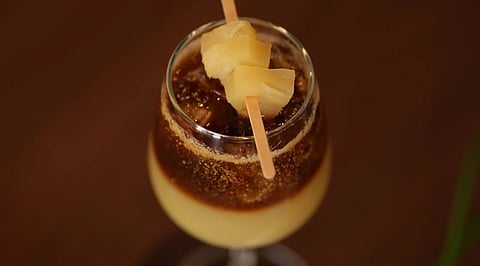
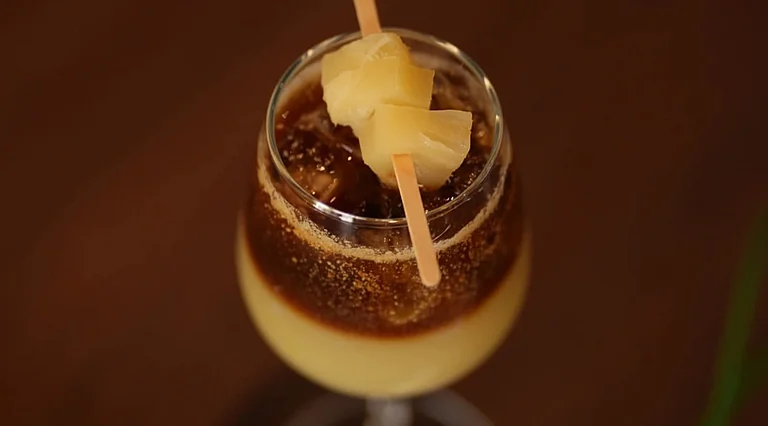
Trio Pina at Savorworks Coffee Chocolate; slow-cooked Thai coconut puree to the sweetness of ripened pineapples Instagram: @savorworksroasters
Chef Vanshika Bhatia, entrepreneur and founder of Gram Street Coffee and Petit Pie Shop sees the four waves as a useful shorthand, but not a linear timeline that India has to follow. She places the country between the third and fourth waves, with all of them existing simultaneously. The change she finds significant is that consumers are beginning to ask not only what coffee they are drinking, but where it comes from and how it was processed.
Advertisement
Baninder Singh, founder & head roaster of Savorworks Coffee & Chocolate, takes a similar position, describing India as largely third-wave, with fourth-wave thinking emerging in certain pockets. “The fourth wave has emerged as a consumer preference and as experimentation by individual brands, rather than as a transformation of the entire coffee ecosystem. A broader understanding of origin, processing and speciality coffee is still developing.”
Aditya Sharma, founder of Pour Over Coffee Roasters, is more cautious. He places India somewhere between the second and third waves and argues that the framework itself comes from the history of Western coffee consumption, which did not develop at the same pace as India's. In his view, café chains have normalised the idea of going out for coffee, while speciality coffee is only now taking root in the metros.
The main point was clear: India does not have a single coffee wave. A consumer in Bengaluru who discusses processing methods with a barista and buys micro-lots online is participating in a different coffee culture from someone in another city discovering pour-over coffee for the first time. Both are part of the same market.
Advertisement
That makes the question of the fourth wave less about a national phenomenon and more about what is changing at the leading edge.
The Fourth Wave Starts Before The Café
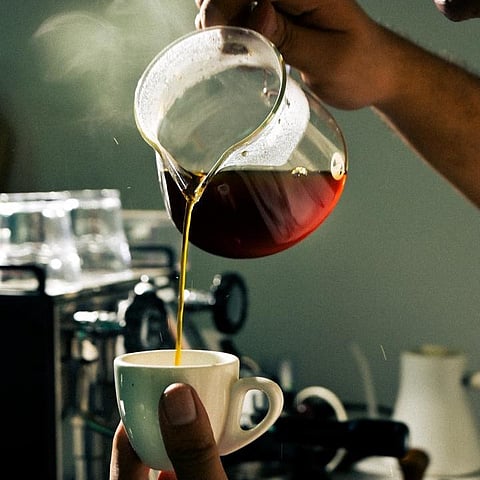
The Fourth Wave starts at the source Supplied (Pour Over)
The clearest difference between third- and fourth-wave thinking is where we locate the work.
The third wave asked us to respect the bean. Single origins, roast profiles, and brewing methods became important as consumers sought to understand the coffee in their cups. The fourth wave goes further back, asking what happens on the farm during fermentation and processing, and how those stages can be deliberately shaped to influence flavour.
“The fourth wave goes further back into the chain,” says Bhatia. For her, it is about what can be done during farming, fermentation, processing and roasting to create or preserve different expressions of flavour.
That shift is already happening in India. The conversation is moving from the generic idea of “speciality coffee” towards estate, region and process. Indian producers and roasters are experimenting more, while details such as elevation, varietal and processing methods are increasingly becoming part of a coffee's identity.
Advertisement
Pour Over's work with producer partners offers one example. The company is experimenting with co-fermentation by supplying local, seasonal fruit to coffee estates, aiming to develop flavours specific to the coffee and its terroir. Sharma sees this not simply as a new processing technique but as a different relationship between producer and roaster, where processing becomes a collaborative act.
This is arguably more significant than the latest coffee drink on a café menu. If the third wave changed how consumers understood coffee, the emerging fourth wave could change how coffee itself is produced and expressed.
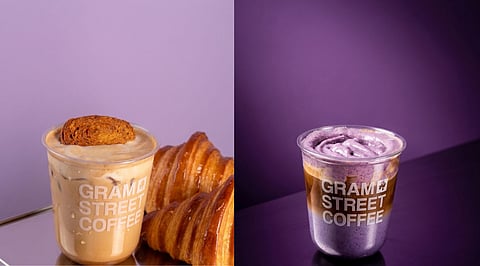
India's coffee story has its own trajectory and specialities Supplied (Gram Street Coffee)
Then another question arises: can this new way of thinking be distinctively Indian without simply subscribing to the universal idea of the fourth wave?
India Doesn't Need To Catch Up
For Bhatia, this is where India's coffee story can diverge from the global one.
“India doesn’t have to discover coffee. It has to rediscover its own coffee,” she says. India has Robusta, Monsooned Malabar and shade-grown coffee from the Western Ghats, all of which offer starting points for a coffee culture built around its own agricultural and processing traditions rather than simply reproducing international speciality-coffee trends.
Advertisement
Singh’s perspective also sees the growing focus on Indian coffee as one of the foundations of a potential fourth wave. Better cultivation, processing, traceability and greater recognition of what Indian producers can achieve are developing from the farm upwards.
There is, however, a gap between what happens on the farm and what reaches the consumer. Indian cafés still borrow many of their beverage formats and flavour directions from international trends. In other words, India may be experimenting with its coffee at origin while still looking outward for ideas about what to put in the cup.
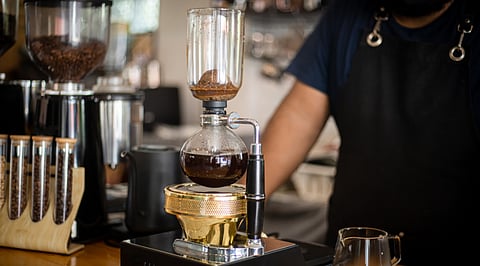
The siphon method of brewing coffee Shutterstock
Sharma sees potential here, too. Indian-grown and Indian-processed coffee, he argues, has historically been undervalued because much of it was sold as blending coffee rather than presented as an origin with its own identity. Giving greater recognition to Indian terroir could eventually provide the foundation for a fourth wave that develops on India's own timeline.
Advertisement
That may be the more interesting possibility. A fourth wave in India need not mean reproducing what speciality coffee cultures elsewhere are already doing. It could mean asking what happens when India's own coffees, ingredients, agricultural practices and culinary traditions become the raw material for experimentation.
Coffee Is Leaving The Cup
This is where Bhatia sees another shift taking place: coffee becoming an ingredient rather than remaining only a beverage.
“We still largely treat coffee as a beverage rather than an ingredient,” she says. She argues that chefs already understand geographical identity in tea, spices, fruit, chocolate, fermentation and even vinegar. Coffee can be approached in the same way.
Her experiments include using coffee as a seasoning, infusing it into cream, making coffee caramel, incorporating cold brew into sauces and pairing naturally processed coffee with chocolate, fruit or savoury ingredients. She has also made an eggplant schnitzel with coffee béchamel.
Advertisement
Savorworks is exploring a related idea from the beverage angle. It's Clarified Black Forest translates the sensory experience of a Black Forest pastry into a coffee drink, combining coffee, chocolate, familiar dessert flavours and technical processes. The point is not simply to add ingredients to coffee but to rethink the drink's format.
This could be one of the more meaningful directions for India's fourth wave: not making speciality coffee more complicated, but making it less confined. Bhatia expects chefs to become more involved in coffee drinks and for food techniques to enter beverage-making, while speciality coffee itself becomes less intimidating.
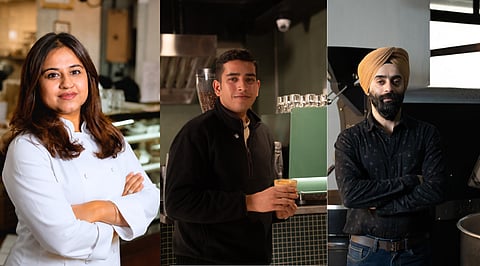
Vanshika Bhatia, Aditya Sharma, and Baninder Singh Supplied
The Next Wave May Have To Slow Down
India is still working through many of the changes associated with the third wave. The fourth wave may have its inkling in certain pockets, but it is not yet a widespread phenomenon.
Sharma points to the basics: consistent quality control, barista training, producer relationships and consumer education. For many Indians, speciality coffee is still competing with instant coffee and syrup-heavy café drinks, while price remains a significant consideration. In markets where consumers are still learning the difference between a washed and natural coffee, hyper-personalised micro-lots may be a step ahead of the conversation.
Advertisement
That is why he sees the next stage as a consolidation of the third wave rather than a leap into the fourth. Speciality coffee needs to become more accessible, including outside the familiar metropolitan pockets of Delhi, Mumbai and Bengaluru.
Singh’s viewpoints are in the same direction, identifying Tier 2 and Tier 3 cities as the next frontier. Consumers are still developing their understanding of origin, processing, flavour and craftsmanship, while coffee also has to compete with tea on price and everyday habit. Education and accessibility will therefore matter as much as innovation.
What we are seeing is a coffee culture being built at different speeds. The third wave is still expanding its vocabulary, while a smaller group of producers, roasters, chefs and consumers is already testing what might come next. They are experimenting with fermentation, looking more closely at Indian terroir, working directly with producers, treating coffee as an ingredient and creating drinks that do not fit neatly into the old café menu.
Advertisement
Perhaps that is what India's fourth wave will eventually be: not a moment when everyone moves from one stage to another, but the point at which these experiments begin to connect. When better farming meets better processing, when Indian terroir becomes legible to consumers, when speciality coffee moves beyond the metros, and when coffee becomes part of India's wider culinary language.
So, is India in its fourth wave of coffee?
Not yet.
It is building towards one and, importantly, beginning to work out what its own version might look like.
FAQs
1. What is fourth-wave coffee?
Fourth-wave coffee broadly refers to the growing focus on advanced processing, fermentation, traceability, technology, sustainability and experimentation across the coffee supply chain.
2. Is India in the fourth wave of coffee?
India is not broadly in the fourth wave yet. While producers, roasters and chefs are experimenting with fourth-wave ideas, much of the country is still developing its speciality coffee culture.
Advertisement
3. What are the different waves of coffee?
The first wave made coffee a mass-market product, the second transformed coffee into a café experience, and the third placed greater emphasis on beans, origin, roasting and brewing.
4. What is speciality coffee in India?
Speciality coffee in India focuses on factors such as bean quality, origin, processing, roasting and brewing, with increasing attention being paid to Indian-grown coffees and their distinctive characteristics.
5. What makes Indian coffee different?
India has diverse coffee-growing regions and traditions, including Robusta, Arabica, Monsooned Malabar and shade-grown coffee from the Western Ghats, giving Indian coffee its own range of flavours and identities.
Published At:
Tags