Kerala’s centuries-old healing traditions are crystallising into a modern global force, and the International Ayurveda and Wellness Conclave 2026 in Kozhikode captures that momentum at just the right moment. Slated for February 2 and 3, 2026, this first-ever global conclave on Ayurveda and wellness goes beyond being a regional showcase or a cultural festival. It positions Kerala as a meeting ground for international policy makers, tourism leaders, researchers, medical practitioners, and investors who are shaping the future of wellness and medical value travel.
Kozhikode To Host International Ayurveda And Wellness Conclave 2026: How Kerala Is Taking Ayurveda To The World
As global interest in wellness and medical value travel accelerates, the International Ayurveda and Wellness Conclave 2026 in Kozhikode places Kerala at the centre of international conversations on Ayurveda, policy, tourism, and research

Advertisement
Organised by the department of tourism, government of Kerala, in partnership with the Ayurveda Promotion Society, the conclave is framed as a strategic platform for dialogue, collaboration and innovation. Its intent is clear: to leverage Kerala’s rich heritage in traditional medicine within the rapidly expanding global wellness economy, and to advance conversations around standards, research, policy, and international integration of Ayurveda. This focus shifts Ayurveda from an immersive travel experience to a globally relevant wellness system that intersects with public health, economic development and cross-border health tourism.
The timing of the conclave aligns with a remarkable growth phase for Kerala’s Ayurveda and wellness sector. Visitor data from the Confederation of Indian Industry (CII) shows that more people are choosing Kerala explicitly for therapeutic wellness services, with foreign arrivals rising from 6.49 lakh in 2023 to 7.4 lakh in 2024, and medical value tourism revenue growing to an estimated INR 13,500 crore (about USD 1.6 billion) in 2024 compared with INR 10,800 crore the year before. Around 60–70 per cent of international tourists now seek ayurvedic or wellness programmes during their stay, a clear signal of ongoing global demand.
Advertisement
While Germany remains a significant source market, the diversity of arrivals is expanding. Emerging European markets, including Lithuania, Latvia, Slovakia, Slovenia, and Croatia, as well as new interest from Arab nations, are contributing to a broader, more resilient tourist portfolio. Domestic demand is also climbing, and operators report that many wellness properties are booked solid through March, underlining the strength of Kerala’s itinerary as both a healer and a holiday destination.
Why IWAC Matters
Kerala has long been recognised for its combination of healing traditions, natural beauty, therapeutic treatment centres, and hospitality infrastructure. This acclaim resonates beyond regional pride, signalling to global travellers and stakeholders that Kerala’s Ayurveda ecosystem meets international expectations for quality and experience.

Wellness retreats are becoming popular today (representational image) Pixabay
What makes IAWC 2026 pivotal is how it situates these individual success stories within a larger strategic dialogue. Rather than promoting Ayurveda solely as a tourism product, the conclave elevates it as a knowledge system with economic, clinical, and policy relevance. Discussions are expected to touch on integration with modern health frameworks, global regulatory alignment, evidence-based research collaborations and sustainable wellness tourism models. These are the platforms through which Ayurveda will upstage cultural heritage narratives and take its place in global health and lifestyle strategies.
Advertisement
Kerala itself is pursuing a constellation of programmes that reinforce this agenda. Eased visa norms and streamlined e-visa facilities introduced in the Union Budget 2025 are expected to boost international medical and wellness travel, opening doors for more seamless entry for global visitors. Health tourism is a major focus of this initiative, aligning India’s ‘Heal in India’ push with Kerala’s existing strengths in integrative care.
Parallel to these economic and tourism developments, Kerala’s government is investing in public health campaigns designed to internalise wellness among its own population. The Aarogyam Anandam – Vibe 4 Wellness initiative, launched on January 1, 2026, is a large-scale lifestyle campaign encouraging healthier habits across the state through diet, exercise, sleep and preventive care. A concerted effort across sectors, including AYUSH, education, sports and local communities, highlights how wellness is being treated as a societal goal as much as an industry.
Going Beyond Wellness Stays
Advertisement
The expanding footprint of Ayurveda isn’t limited to wellness stays and tourist attractions. Kerala is home to established institutions like Kottakkal Arya Vaidya Sala and Sanjeevanam Ayurveda Hospital, which recently won top honours at the CII Kerala Health & Medical Tourism Awards 2025 for international patient volumes. These recognitions reflect a combination of ancient practice with modern clinical standards, and they reinforce confidence among global patients that Kerala’s Ayurveda centres deliver quality care grounded in tradition as well as current practice.
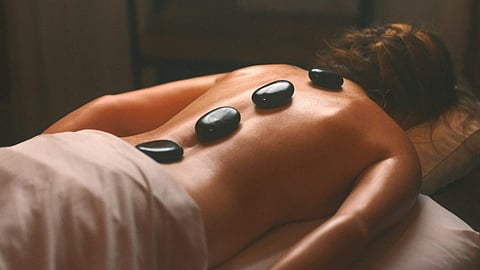
Wellness-led holidays emerging as a key preference for Indian travellers Unsplash
Innovation is also shaping the future of Ayurvedic practice. Projects such as the KINFRA Global Ayurveda Village at Varkala are expanding the horizon of traditional medicine through dedicated infrastructure for research, standards, modern diagnostics, and international collaboration. This integrated centre of excellence is designed not just as a wellness destination but as a node where traditional Ayurveda meets scientific research and industry engagement.
Kerala’s geography and biodiversity remain an intrinsic part of its appeal. The state’s tropical climate, verdant landscapes, abundant medicinal herbs, and centuries-old knowledge traditions create a healing environment that no printed brochure can fully convey. For travellers seeking Panchakarma detox, chronic care support, stress management, restorative retreats or preventive regimens, Kerala’s Ayurveda centres provide deeply personalised programmes rooted in authentic practice.
Advertisement
Choosing Kozhikode As The Host City
The choice of Kozhikode as the setting for IAWC 2026 adds symbolic weight. Historically a thriving Indian Ocean trading port that connected cultures and commodities across Asia, the city’s legacy as a hub of exchange parallels the conclave’s ambition to be a crossroads where global thought leaders, practitioners and policymakers converge. The region’s academic institutions, transport connectivity and cultural landscape make it fertile ground for discussions that extend well beyond tourism into international health and wellness discourse.
IAWC 2026 also aligns with global economic trends. The Indian Ayurveda industry as a whole was valued at around USD 43 billion in late 2025, and projections suggest that it could contribute around five per cent of India’s GDP by 2047. Investment pipelines worth over USD 1.2 billion underscore confidence in the sector’s commercial potential. Kerala’s prominent role in this transformation has been recognised by national leaders, with calls to position the state as a model for integrated healthcare and wellness.
Advertisement
Within this landscape, the conclave functions as a platform that shapes direction and priorities, influencing how Ayurveda, wellness tourism and policy move forward on a global scale. It frames Kerala’s Ayurvedic heritage as part of a modern economic and wellness ecosystem that thrives on research, regulatory clarity, global connectivity and ruminative engagement between traditional knowledge and contemporary health priorities.
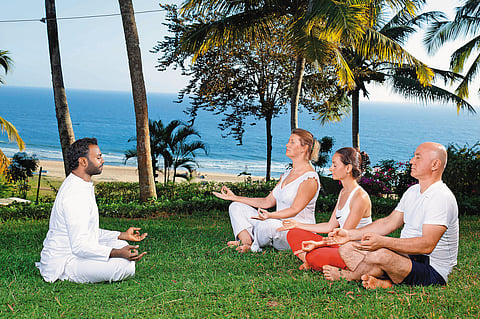
Have a serene and revitalising stay at Somatheeram Ayurveda Village in Kerala Deposit Photos
The International Ayurveda and Wellness Conclave 2026 invites the world to look at Ayurveda not just as an ancient practice but as an evolving global resource. It affirms Kerala’s ambition to be a pivot for wellness tourism, medical value travel, policy alignment and international collaboration. And it sets the stage for Kerala to help define what “wellness” means for this decade and beyond.
FAQs
1. What is the International Ayurveda and Wellness Conclave 2026?
It is the first global conclave focused on Ayurveda and wellness, bringing together policymakers, researchers, tourism leaders, medical practitioners and investors in Kozhikode.
Advertisement
2. When and where will IAWC 2026 be held?
The conclave will take place on February 2 and 3, 2026, in Kozhikode, Kerala.
3. Why is Kerala central to global Ayurveda and wellness tourism?
Kerala combines centuries-old Ayurvedic traditions with modern healthcare infrastructure, research institutions and strong tourism systems that meet international standards.
4. How does the conclave impact wellness and medical value travel?
IAWC 2026 positions Ayurveda as a global wellness system by addressing policy alignment, research collaboration, standards and sustainable wellness tourism models.
5. Why was Kozhikode chosen as the host city?
Kozhikode’s history as a global trading port, its academic ecosystem and strong connectivity make it a symbolic and practical venue for international wellness dialogue.

Published At: