Ramadan in India is a season of light, food, community, and night markets that turn whole streets into magical after-sun bazaars. As soon as the sun dips below the horizon and families break their fast, markets across cities come alive with lights, smells, music, and laughter. This curated list will walk you through the most vibrant Ramadan night markets across India in 2026, tell you what they offer, why each is unique, and why they are worth adding to your travel list.
Ramadan 2026: India’s Most Stunning Night Markets You Can’t Miss
From Hyderabad to Lucknow, discover India’s most vibrant Ramadan night markets in 2026, filled with food, lights, and unforgettable after-sun energy

Advertisement
Hyderabad Old City Night Bazaar (Charminar And Laad Bazaar)
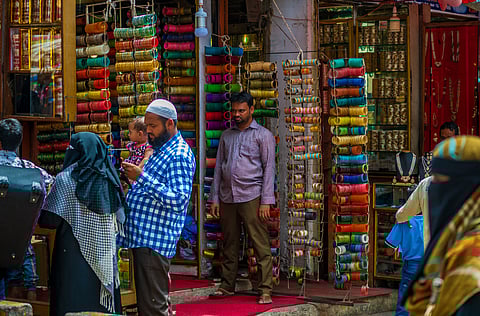
Laad Bazaar, Hyderabad Snehal Jeevan Pailkar / Shutterstock
In Hyderabad, the area around Charminar explodes with life after iftar. The aroma wafting from food stalls offering huge pots of haleem, kebabs grilling on the grill, and sweets calling from their stands filter through the crowds of people meandering around the streets of Laad Bazaar while the sun sets behind the historic Charminar. Families walk together shoulder to shoulder beneath the twinkling lights as they make their way through the bazaar; you truly feel that you’re part festival and part cultural experience at the same time. Being at this market is a memory that you will have forever because it not only sells items but also embraces you with the culture and communities.
Zakaria Street, Kolkata
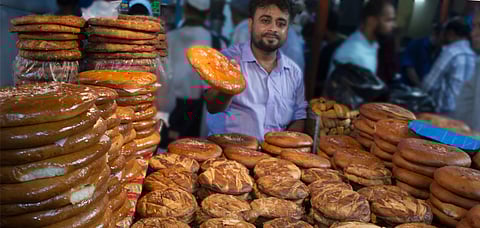
Zakaria Street in Kolkata is a popular food hub during Ramzan Deposit Photos
Kolkata’s Zakaria Street is arguably India’s most famous Ramadan market. From sunset to late night, every inch of this street hums with people lining up for iftar treats like kebabs, haleem, biryani and Bengal’s special desserts. More than food, this market is about crowd energy, the calls of vendors, and the sight of hundreds of temporary stalls lit up under electrical bulbs. You can feel the city’s rich cultural fusion here because this place is where food legacy meets festival energy.
Advertisement
Delhi Ramadan Bazaars In Zakir Nagar And Batla House
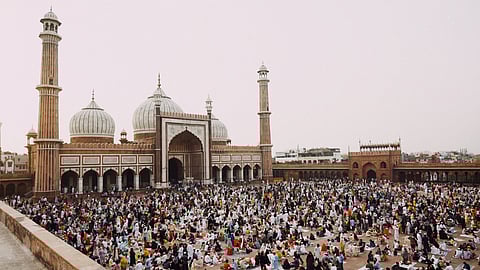
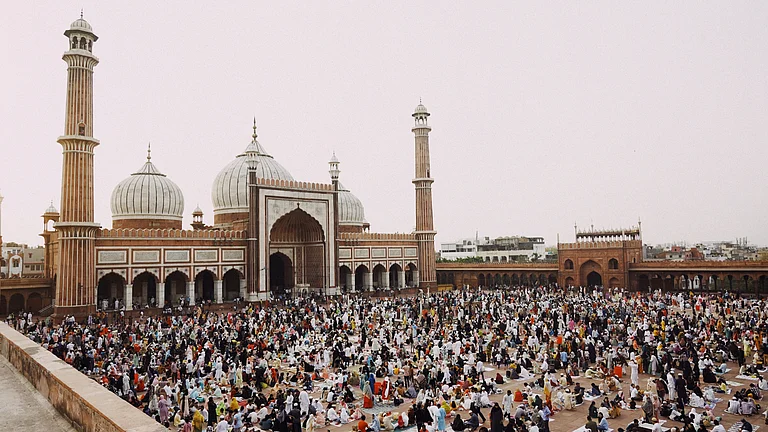
A crowd gathered at the Jama Masjid for a ceremonius Iftar in Ramzan Areeba Ansari
In the national capital, the markets of Zakir Nagar and Batla House around Jamia Nagar become buzzing hubs during Ramadan. Narrow streets fill with food vendors offering fryums, samosas, sweets and juices as soon as iftar winds down. Clothing and accessories stalls pop up alongside food, giving the market a dual purpose: feast and festive shopping. These bazaars are special because they are grassroots and community-driven, with neighbourhoods coming together to celebrate every evening.
Mumbai’s Mohammad Ali Road Night Food Festival
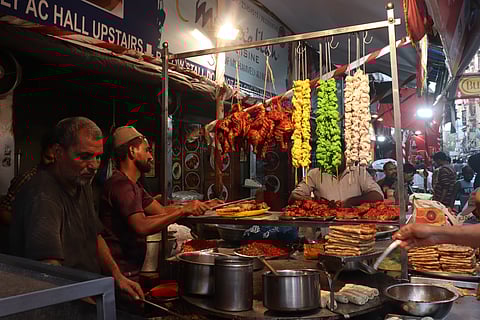
Food being prepared for Iftar at Khau Galli on Mohammad Ali Road during Ramzan Shutterstock
In Mumbai, the area around Minara Masjid and Mohammad Ali Road becomes synonymous with Ramadan nights. As the sun sets, crowds gather to taste everything from chicken tikka and brain masala to traditional phirni and jalebi. The long street feels like one long feast, but it is also a meeting place where people from all walks of life come together. You won’t just eat here, you will feel the city’s diversity on your tongue.
Advertisement
Bhopal, Ramadan Night Markets
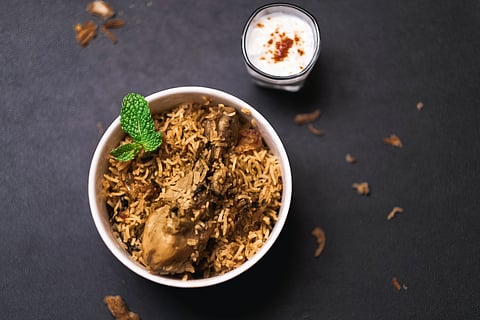
Biryani has many flavours across India Unsplash
In Bhopal, the old city lights up after iftar with street food stalls near markets and residential lanes. People step out after prayers to enjoy grilled snacks, biryani and sweets while kids play in the glowing streets. The energy here is more relaxed but just as festive, with families lingering long into the evening. Bhopal’s charm lies in how the night markets feel as much about neighbours and culture as they are about food.
Ahmedabad Old City Ramadan Evenings
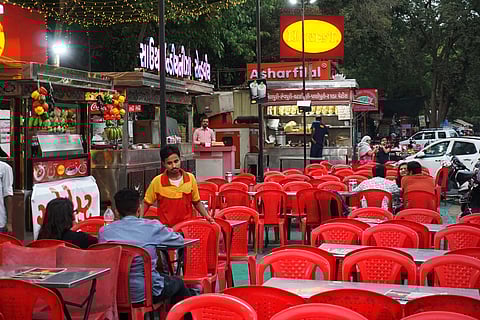
Manek Chowk is one of the few food streets in Ahmedabad that are allowed to stay open beyond midnight AjayTvm/Shutterstock
Ahmedabad’s old city, especially around the Jama Masjid area, fills with khau gali style food stalls and shops selling traditional clothes and accessories. While Manek Chowk is a year-round night food scene, during Ramadan the atmosphere takes on a special tilt with iftar and sehri crowds, lights strung between shops and people shopping late into the night. You can combine a heritage walk with food tasting here, making it a unique experience.
Advertisement
Sarafa Bazaar Indore Street Food After Dark
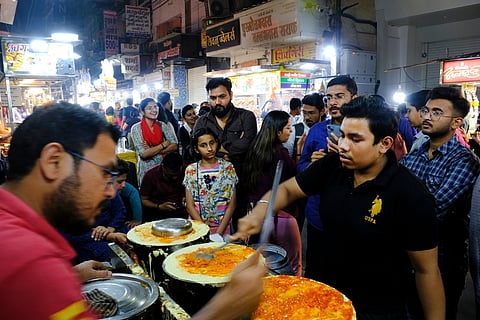
Sarafa Bazaar is a food paradise Vinayak Jagtap/Shutterstock
Indore’s Sarafa Bazaar is famous nationally for its night food scene. During Ramadan the vibe becomes even richer as locals and visitors alike hop between stalls selling chaats, sweets, juices and local fast food. The market transforms from jewellery stalls by day to a festive food street by night. What sets Sarafa apart is the sheer variety packed into every lane and the friendly local crowds that make eating here as social as it is delicious.
Lucknow Ramadan Nights In Chowk And Aminabad
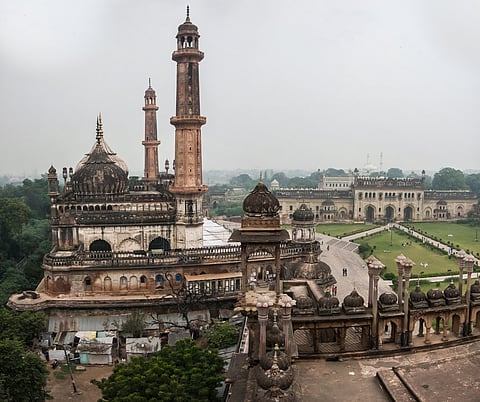
Bada Imambara is a must visit to dive into the heritage of Lucknow Shutterstock
If you want to see Ramadan in its most poetic North Indian form, head straight to the old lanes of Lucknow. The areas around Chowk, Akbari Gate, Aminabad, Nakkhas and Hussainabad transform after iftar into glowing corridors of food, perfume, and conversation. The historic skyline near Bada Imambara and Rumi Darwaza adds a dramatic backdrop to the night. You walk through narrow lanes packed with food stalls selling melt-in-the-mouth galawati kebabs, slow-cooked nihari, sheermal, roomali roti and fragrant biryani. Sweet shops display khurma, phirni and shahi tukda in large trays that disappear quickly after midnight.
Advertisement
In addition to its cuisine, the tehzeeb of Lucknow makes it a unique place for visitors. People there are friendly and kind when interacting with each other, families walk at a leisurely pace in public places without feeling like they are in a hurry, and everywhere you go; you can see the influence of greater Awadhi history through what occurred between those who lived there. Tailors and other small businesses sell handmade kurtas and caps until after the sun goes down. Perfume merchants showcase orbs of perfume to fill the air with fragrance—both rose and oud. The overall atmosphere is simultaneously cultured and energised.
FAQs
1. Which is the most famous Ramadan night market in India?
The area around Charminar in Hyderabad and Zakaria Street in Kolkata are widely considered among India’s most iconic Ramadan food streets.
2. Where can I experience Ramadan nights in Lucknow?
Head to the old city areas of Chowk and Aminabad near Bada Imambara for kebabs, nihari and traditional Awadhi sweets.
Advertisement
3. What is special about Mohammad Ali Road during Ramadan?
Mohammad Ali Road transforms into a massive open-air food festival, especially around Minara Masjid, serving kebabs, malpua, phirni and more late into the night.
4. Are Delhi’s Ramadan markets worth visiting?
Yes, neighbourhoods like Zakir Nagar and Batla House offer vibrant, community-driven Ramadan bazaars with food and festive shopping.
5. Which Indian city is best for a Ramadan food trail?
Cities like Hyderabad, Lucknow, Delhi, Kolkata, and Mumbai are top picks for immersive Ramadan food experiences.
Published At: