Ayodhya takes on a festive character during Deepotsav, when the ghats along the Saryu River glow with lakhs of earthen lamps, temples welcome devotees, and the city comes alive with religious ceremonies and cultural performances. The annual celebration, held around Diwali, draws visitors from across India who travel to witness the illumination and experience the city's association with the Ramayana. This year, the main Deepotsav celebrations are scheduled for November 7, with more than 30 lakh diyas expected to illuminate 56 ghats. If you are planning a short visit, a day in Ayodhya can cover its principal temples, riverfront attractions, and the evening festivities, provided you plan your route carefully. With large crowds and traffic restrictions expected, knowing where to go and when to arrive can make all the difference.
Planning A One-Day Trip To Ayodhya For Deepotsav? Here's Your Complete Travel Guide
From temple visits to the Saryu Aarti, here's how to plan a one-day Ayodhya trip for Deepotsav, with travel tips and traffic updates

What To Expect At Ayodhya Deepotsav

The main celebrations of Deepotsav take place around Ram Ki Paidi and the banks of the Saryu River. The ghats are illuminated with thousands of earthen lamps, creating an extensive display along the riverfront. The diya-lighting ceremony is accompanied by the Saryu Maha Aarti, devotional chants, and cultural performances. Visitors can also expect processions featuring tableaux depicting episodes from the Ramayana, alongside drone and laser presentations as part of the festivities.
The celebrations are scheduled across four days, from November 5 to 8, with November 7 marking the main event. The ghats and their surroundings attract substantial crowds, particularly during the evening ceremonies. If witnessing the diya-lighting is your priority, plan to reach the riverfront well before the main programme begins. Keep in mind that access arrangements and event timings may change depending on crowd movement and administrative instructions.
How To Reach Ayodhya For Deepotsav

Ayodhya is accessible by air, rail, and road. Maharishi Valmiki International Airport connects the city with major destinations, while Ayodhya Dham and Ayodhya Cantt railway stations serve travellers arriving by train. Check your ticket carefully before arranging a pickup, as the two railway stations are separate locations.
Travellers from Delhi and other cities can also consider flying or taking a train to Lucknow, followed by a road journey to Ayodhya. The drive from Lucknow generally takes around two to three hours, depending on traffic conditions. Those travelling from Delhi by road should account for a much longer journey of approximately 10 to 12 hours.
For a one-day visit, arriving in Ayodhya early is advisable. If you are travelling from another city, consider reaching the previous evening rather than attempting to cover the journey and sightseeing on the same day. This leaves you with enough time to explore the temples before heading to the ghats for Deepotsav.
One-Day Ayodhya Itinerary: Temples, Ghats, And Deepotsav
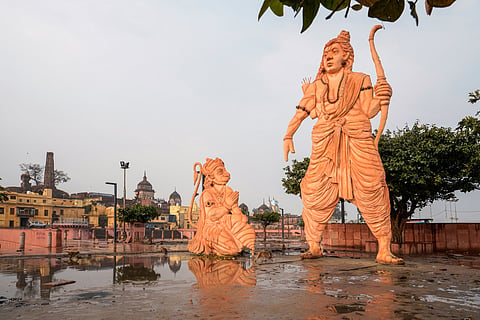
An early start is essential if you want to experience Ayodhya beyond its main festival celebrations. The city's important religious landmarks are spread across different areas, so arranging them in a practical sequence will help avoid unnecessary travel.
Begin your morning at Shri Ram Janmabhoomi Temple, the principal pilgrimage destination in Ayodhya. Dedicated to Lord Ram, the temple draws devotees throughout the year, with visitor numbers rising considerably during Deepotsav. Allow sufficient time for security checks, queues, and walking around the temple complex. Check the latest darshan arrangements before your visit, as entry procedures may change during the festival.
From here, proceed to Hanuman Garhi, a prominent temple dedicated to Lord Hanuman. Located on an elevated site, the temple is reached by a flight of steps and is an important stop on Ayodhya's pilgrimage circuit. Continue to Kanak Bhawan, another significant temple associated with Lord Ram and Goddess Sita. Its traditional architecture and religious importance make it worth including in your morning itinerary.
After these visits, make your way to Dashrath Mahal, traditionally associated with King Dashrath, Lord Ram's father. You can also explore Nageshwar Nath Temple, an important Shiva shrine near the riverfront. Keep the afternoon for lunch and some rest before heading towards the Saryu.
Later, visit Guptar Ghat, a riverside pilgrimage site associated with the belief that Lord Ram took Jal Samadhi here. Depending on the day's traffic restrictions and available time, this can be an optional stop. Alternatively, spend more time exploring the riverfront around Ram Ki Paidi.
As evening approaches, head towards Ram Ki Paidi, the principal venue for Deepotsav. The series of ghats along the Saryu becomes the focal point of the celebrations, with rows of diyas illuminating the riverfront. You can also attend the Saryu Maha Aarti, where priests perform traditional rituals accompanied by devotional chants. Stay for the main diya-lighting ceremony and other scheduled cultural presentations. Check the official programme for timings and designated visitor access points.
Where To Stay And What To Know About Traffic Restrictions
If you plan to stay overnight, look for accommodation around Ram Ki Paidi, Naya Ghat, or the central temple area, depending on your itinerary. Hotels, guesthouses, and dharamshalas in these locations offer convenient access to major attractions. However, demand rises considerably during Deepotsav, so advance reservations are advisable. If accommodation in central Ayodhya is unavailable, consider properties in Faizabad.
Traffic diversions are an important consideration during the festival. According to the announced arrangements, outer diversions will remain in effect from midnight on November 6 until November 8, or until crowds have dispersed. Internal traffic restrictions in Ayodhya Dham are scheduled to begin at 7 am on November 7 and continue until November 8, subject to crowd movement and the conclusion of the celebrations.
These restrictions can affect vehicle access to hotels, temples, and the ghats. Check local police advisories before setting out, confirm your vehicle's permitted drop-off points, and be prepared to walk from designated parking areas. Do not schedule your return train or flight too close to the end of the celebrations, as leaving the crowded areas may take considerable time.
Travel Tips For A Comfortable Deepotsav Visit
Wear comfortable footwear, carry drinking water, and keep a power bank handy. If travelling with children or senior citizens, allow additional time for walking and resting, and establish a meeting point in case anyone gets separated. Avoid carrying unnecessary valuables and follow barricades, security instructions, and designated pedestrian routes.
Most importantly, keep your itinerary flexible. Ayodhya's Deepotsav draws large crowds, and temple access, traffic movement, and event arrangements can change through the day. A little preparation will help you experience the city's religious landmarks and the festival without rushing through either.
FAQs
1. When is Ayodhya Deepotsav 2026?
The main Deepotsav celebrations will take place on November 7, 2026, as part of the four-day festivities scheduled from November 5 to 8.
2. Can you explore Ayodhya in one day?
Yes. A one-day trip can cover Shri Ram Janmabhoomi Temple, Hanuman Garhi, Kanak Bhawan, Dashrath Mahal, and Ram Ki Paidi, subject to crowd conditions.
3. Which are the best places to visit in Ayodhya during Deepotsav?
Ram Ki Paidi, Shri Ram Janmabhoomi Temple, Hanuman Garhi, Kanak Bhawan, Dashrath Mahal, and Guptar Ghat are among the key attractions.
4. How can you reach Ayodhya for Deepotsav?
Ayodhya is accessible by air through Maharishi Valmiki International Airport, by train through Ayodhya Dham and Ayodhya Cantt stations, and by road.
5. Are there traffic restrictions in Ayodhya during Deepotsav?
Yes. Traffic diversions are scheduled from November 6 to 8, with internal restrictions beginning at 7 am on November 7. Check local police advisories before travelling.
