India offers children a rare chance to explore history, science, culture, and nature all in one journey. From ancient forts and museums to high-altitude deserts and wildlife reserves, young travellers can observe, question, and discover at every turn. These carefully curated destinations turn family holidays into immersive learning adventures, sparking curiosity at every step.
From Monasteries To Museums: 5 Best Educational Journeys For Kids In India
India offers children immersive learning through travel. From ancient forts and museums to high-altitude deserts and wildlife reserves, young explorers can engage with history, science, culture, and nature on every journey

Advertisement
Kolkata
Kolkata, often called the cultural capital of India, is a treasure trove for young explorers. From history and art to science and literature, the city offers experiences that are both fun and educational. It’s a place where learning leaps off the pages of books and into real-life adventures.
Why it’s educational for kids: Kolkata combines history, science, and culture, giving children opportunities to explore museums, engage with interactive exhibits, and learn about India’s rich heritage. They can discover the wonders of science, witness history come alive, and appreciate art in its many forms.
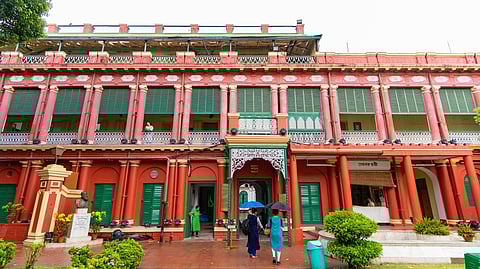
Jorasanko Thakurbari is home to a museum of Tagore's works Arnav Pratap Singh/Shutterstock
What children can do in Kolkata:
Indian Museum: Explore rare antiques, fossils, skeletons, mummies, Mughal paintings, and historic armour and ornaments. It is the ninth oldest museum in the world and the largest in Asia by collection.
Science City: Enjoy interactive exhibits, a space theatre, a time machine, and an evolution-themed park for hands-on learning in science.
Birla Industrial & Technological Museum (BITM): Engage with hands-on science experiments and interactive displays.
MP Birla Planetarium: Watch celestial shows that introduce young minds to astronomy and space science.
Alipore Jail Museum: Learn about India’s freedom struggle through immersive light and sound shows, restored cells, and historical artefacts.
Jorasanko Thakur Bari: Step into the ancestral home of Rabindranath Tagore to explore his life, works, and the literary history of Bengal.
Gurusaday Museum, Joka: Discover Bengal’s folk art, including scroll paintings (patachitra), kantha embroidery, and terracotta, curated by civil servant Gurusaday Dutt.
Boat Museum, Ambedkar Bhawan: See replicas of various traditional Bengali boats and learn about riverine culture and history.
Advertisement
Agra
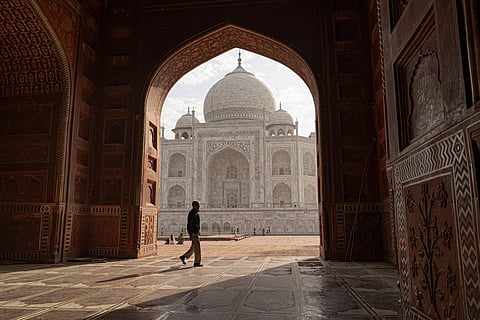
Built in 1648, the Taj Mahal holds the tombs of Shah Jahan, the fifth Mughal emperor, and his wife, Mumtaz Mahal, as a testament to their love Wirestock Creators/Shutterstock
Agra is more than just the home of the Taj Mahal; it is a living classroom where history, architecture, and culture come alive for children. From magnificent forts to ancient cities, young learners can step back in time and explore the grandeur of the Mughal era.
Why it’s educational for kids: Agra offers an immersive experience in history and architecture. Children can study Mughal artistry, understand ancient city planning, and observe traditional craftsmanship first-hand, all while enjoying interactive and fun activities.
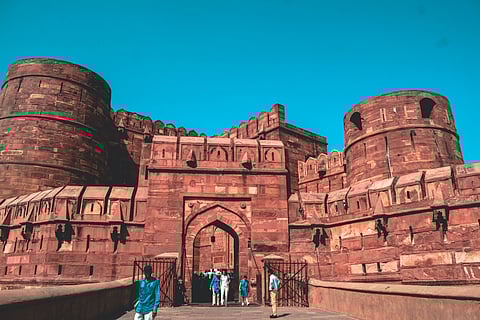
Explore Agra Fort Unsplash
What children can do in Agra:
Taj Mahal: Explore one of the Seven Wonders of the World and learn about Mughal architecture, symmetry, and the art of Pietra Dura inlay.
Agra Fort: Wander through this massive red sandstone fort, visiting palaces, mosques, and courtyards, and imagine life in a Mughal fairy tale.
Fatehpur Sikri: Discover Akbar’s “ghost city” with its impressive architecture, ancient water systems, and royal halls.
Craftsmanship Workshop: Try traditional stone carving and understand the skills behind Mughal decorative arts.
Wildlife SOS: Visit bear or elephant rescue centres to learn about wildlife conservation and animal care.
Dolphin Water Park: Enjoy fun and interactive breaks with rides and water slides, blending recreation with a learning-friendly environment.
Advertisement
Goa
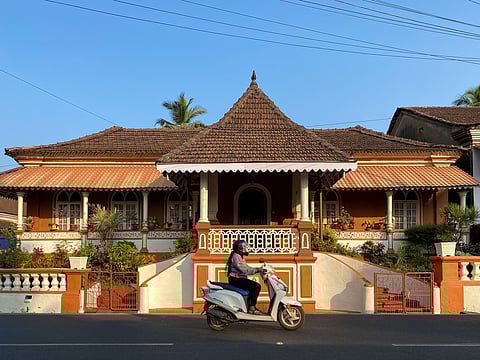
A traditional Portuguese house in Margao balajisrinivasan/Shutterstock
Goa is often celebrated for its sun-kissed beaches and vibrant water sports, but it also offers a rich tapestry of nature, history, and culture that makes it an ideal educational destination for children. Beyond sandcastles and surfing, young learners can explore wildlife, art, and heritage, turning a fun holiday into a value-packed learning experience.
Why it’s educational for kids: Goa combines natural exploration, artistic discovery, and historical learning. Children can connect with wildlife, understand local culture, and appreciate heritage architecture. Here is our guide to doing Goa with kids in tow.
What children can do in Goa:
Nature Walks: Join guided walks led by expert naturalists, such as those organised by Herpactive, to learn about reptiles, snakes, and local ecosystems.
Go Spot Birds: Visit the Salim Ali Bird Sanctuary on Chorao Island, or take birding trips organised by NGOs such as Birds & Breakfast, to discover migratory and native species across forests and wetlands.
Mario Miranda Galleries: Explore the colourful world of Goan artist Mario Miranda through his galleries, featuring life-sized character replicas, cartoons, and creative souvenirs like postcards, mugs, and T-shirts.
Bhagwan Mahavir Sanctuary: Hike with your family through Goa’s largest wildlife reserve, located in the Western Ghats, and observe flora and fauna in their natural habitat.
Churches of Old Goa: Discover the architectural grandeur of Portuguese-era churches, including the Basilica of Bom Jesus and Sé Cathedral, while learning about colonial history and religious heritage.
Houses of Goa Museum: Explore galleries showcasing traditional Goan houses, construction materials, symbols, and history in this ship-shaped museum near Panaji.
Goa Chitra: Learn about Goa’s ethnography through ancient farming implements, traditional tools, and artefacts from over 300 demolished houses, set against an organic farm backdrop in Benaulim.
Advertisement
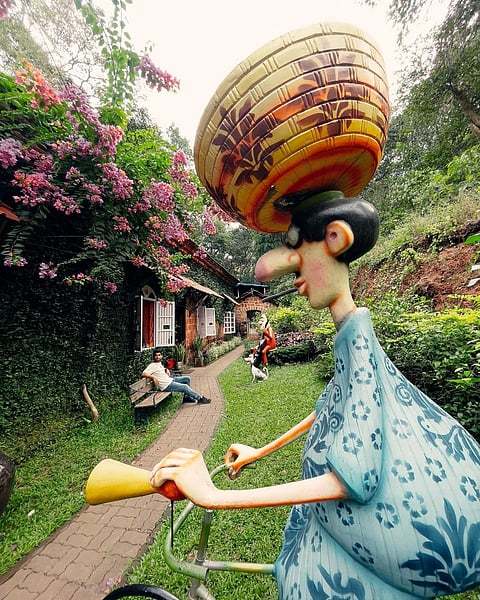
At the Mario Miranda Museum Wiki Commons
Jaipur
Jaipur, the centuries-old “Pink City,” is a vibrant blend of heritage, culture, and adventure. Its perfectly laid-out streets, ancient monuments, and uniform pink-hued walls provide a stunning backdrop for children to explore history and creativity firsthand. Beyond forts and palaces, Jaipur offers a variety of niche experiences that turn a holiday into an unforgettable educational journey.
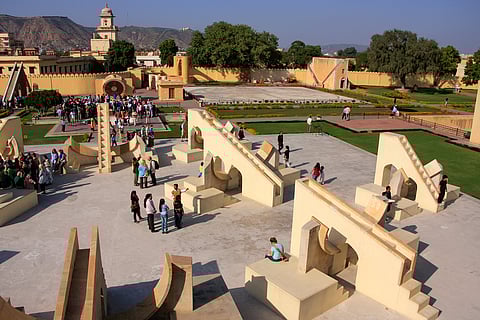
The astronomical observatory Jantar Mantar in Jaipur Don Mammoser/Shutterstock
Why it’s educational for kids: Jaipur engages children through history, art, science, and nature. From exploring ancient artefacts and observing wildlife to participating in hands-on pottery or conservation activities, kids gain knowledge in a fun and immersive environment.
What children can do in Jaipur:
Jantar Mantar: This UNESCO-listed, open-air site features 19 architectural astronomical instruments built by Maharaja Sawai Jai Singh II in the 18th century. It serves as a living laboratory for studying ancient Indian astronomy, timekeeping, and geometry, allowing students to witness the accuracy of celestial measurements, including the world's largest stone sundial.
Centuries-Old Camera Experience: Near Hawa Mahal, meet Tikam Chand and have your photograph taken with a 160-year-old “memory box” camera. Learn about traditional photography techniques and watch black-and-white images come to life.
Gem Cinema: Catch a film at one of India’s oldest cinemas, restored to its Art Deco glory. Children can marvel at the geometric pink-and-white exterior while enjoying a matinee in a historic setting.
Khazana Mahal: Explore this heritage haveli-turned-museum, where kids can try pottery, admire exquisite gems and jewellery, and even experience a zipline adventure.
Albert Hall Museum (Central Government Museum): View a fascinating collection of metalware, jewellery, textiles, and antiquities. Don’t miss the 2,300-year-old Egyptian mummy and rare coins from the Gupta, Kushan, Delhi Sultanate, Mughal, and British eras.
Jhalana Leopard Reserve: Venture into the Aravalli Hills to spot leopards, deer, and other wildlife. This 23 sq km reserve offers an exciting introduction to nature and conservation.
Heritage Water Walks: Participate in guided walks that showcase Jaipur’s centuries-old water conservation practices. Learn about sustainable living and the cultural significance of water in the desert state. For more info, check here.
Advertisement
Ladakh
Ladakh, often called the “Land of High Passes,” offers an extraordinary educational adventure for children. Its stark, high-altitude landscapes, vibrant Tibetan-Buddhist culture, and unique ecology provide a living classroom where learning is immersive and hands-on. From monasteries and palaces to villages and wildlife, Ladakh stimulates curiosity at every turn.
Why it’s educational for kids: Ladakh blends geography, ecology, history, and culture in a single destination. Children can explore cold desert landforms and high-altitude lakes, learn about Tibetan Buddhism and monastic life, observe rare high-altitude flora and endangered species, and engage with local communities to understand sustainable practices and village life.
What children can do in Ladakh:
Cultural Immersion: Visit Thiksey Monastery, the “mini Potala Palace,” for morning prayers, and learn about Buddhist rituals and spirituality at Diskit Gompa, gaining insight into monastic life and Himalayan culture.
Historical Exploration: Explore Stok Palace Museum to understand Ladakh’s royal legacy and discover artefacts from the region’s past, connecting children with local history.
Environmental & Geography Studies: Observe the high-altitude cold desert landscapes, including Pangong Lake and Nubra Valley, and study the ecosystems that support wildlife such as red foxes, yaks, and Tibetan wolves.
Community & Local Life: Engage with villagers in the Suru Valley, visit local homes, learn about gardening in cold desert conditions, and interact with students at local schools to appreciate social resilience and sustainable living.
Adventure Education: Hike through the Suru and Hunder Valleys to explore local flora, fauna, and geographical features, integrating hands-on learning in biology, ecology, and geology.
Advertisement
FAQs
How can I make learning fun on the trips?
Choose interactive sites like science centres, museums with guided tours, or activity-based farms. Encourage questions, take photos, or keep a travel journal.
How long should a trip be?
3–7 days works best, allowing exploration and rest without overwhelming kids.
Are these destinations safe for younger children?
Yes, for most places. High-altitude areas like Ladakh are best for children 4+ with proper acclimatisation.
How to balance learning with leisure?
Mix museums or forts with downtime—beaches, parks, or local food keep trips enjoyable.
Do these trips need special planning?
Yes. Tailor the trip to your child’s age—historical sites for older children, interactive science museums for younger ones. Consider seasonal suitability; generally, September to March is ideal for most locations.
What ages are suitable?
Many activities suit children 4+, while older kids can enjoy hikes, workshops, and interactive sessions.
Published At: