January is when India quietly shows off. The crowds thin just enough, the sun behaves itself, and history stops feeling like homework and starts feeling cinematic. Winter brings crisp mornings perfect for temple-hopping, fort-climbing, and wildlife-spotting—without the oppressive heat or monsoon mood swings. From ancient capitals frozen in time to wetlands buzzing with migratory birds, January allows UNESCO World Heritage Sites to be explored at a slow, immersive pace.
Check Out The Top UNESCO Heritage Sites Best Seen In January
From Hampi’s ruins to Kaziranga’s wildlife, these UNESCO sites in India are best visited in January’s pleasant winter weather

Advertisement
It’s also peak season for cultural travel: festivals are in the air, wildlife parks are open, and architectural details finally get the attention they deserve when you’re not sprinting for shade. Whether you’re drawn to sculpted stone, sacred geometry, or landscapes that feel almost unreal, these UNESCO sites shine brightest in January 2026—calm, comfortable, and deeply rewarding.
Hampi, Karnataka
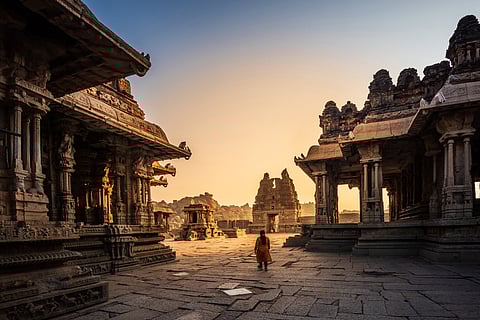
Cool days and calm surroundings allow travellers to slow down in Hampi Shutterstock
January is arguably Hampi’s finest hour. With daytime temperatures hovering around a pleasant 25°C, exploring the vast ruins of the Vijayanagara Empire becomes a joy rather than an endurance test. You can wander between the Virupaksha Temple, Vittala Temple’s iconic stone chariot, and the Royal Enclosure without rushing. Sunrise over the boulder-strewn landscape is spectacular in winter, and cycling through the ruins feels almost meditative. The cooler evenings also make riverside cafes and heritage walks far more enjoyable.
What to expect: Clear winter skies, comfortable walking weather, and golden-hour views over vast ruins without the heat fatigue.
What to carry: Comfortable walking shoes, sun protection, a light jacket for early mornings.
Advertisement
Taj Mahal, Agra, Uttar Pradesh
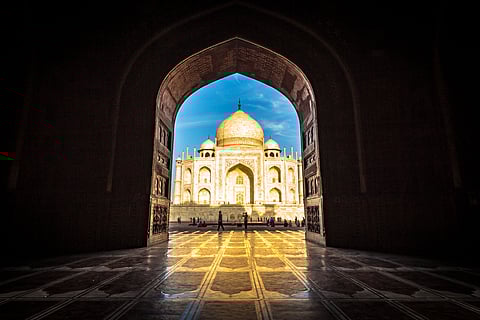
The ivory-white marble Taj Mahal is located on the banks of the Yamuna river in Uttar Pradesh Shutterstock
Winter fog aside (which usually lifts by mid-morning), January offers one of the most comfortable windows to experience the Taj Mahal. The cool air enhances the marble’s glow, especially during early morning visits. Long queues feel more tolerable, and exploring Agra Fort afterward doesn’t drain your energy. January’s softer light is also a dream for photographers—think subtle hues rather than harsh glare. Just book sunrise slots in advance; the monument’s charm is no secret.
What to expect: Cool mornings with occasional fog, fewer crowds than peak summer, and soft light that enhances the marble’s glow.
What to carry: Warm layers for sunrise visits, government-issued ID, phone/camera with extra storage.
Khajuraho Group Of Monuments, Madhya Pradesh
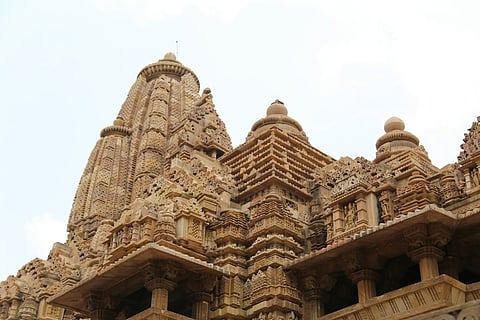
Expect crisp days, clear visibility, and plenty of time in Khajuraho Unsplash
January is peak season in Khajuraho, and for good reason. With dry weather and mild temperatures, visitors can take their time admiring the temples’ intricate sculptures without the distraction of heat or humidity. The Khajuraho Dance Festival, often held in February but with January build-up events, adds cultural depth to the visit. Winter light accentuates the carvings, making the storytelling on temple walls feel vivid and alive.
Advertisement
What to expect: Dry, pleasant days ideal for slow temple exploration and cultural events in open-air settings.
What to carry: Comfortable clothing, walking shoes, a light shawl for evenings.
Jaipur & Rajasthan Hill Forts
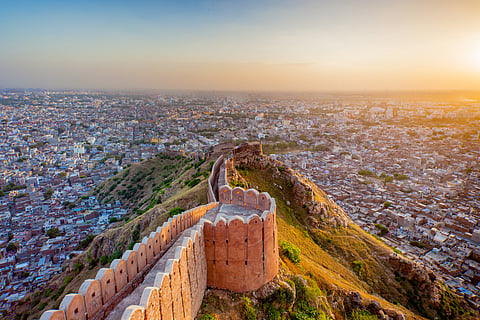
The view from Nahargarh Fort, Jaipur Shutterstock
January turns Rajasthan into a heritage lover’s playground. Daytime temperatures hover around 20°C, ideal for climbing Amer Fort, exploring Jaisalmer Fort’s lanes, or standing atop Chittorgarh’s ramparts. The cooler weather allows you to appreciate architectural details—jharokhas, courtyards, and frescoes—without fatigue. Evenings can be chilly, but that just makes rooftop dinners and palace stays feel extra indulgent.
What to expect: Mild daytime temperatures perfect for fort visits, cooler evenings, and excellent visibility across desert landscapes.
What to carry: Layered clothing, sturdy footwear, sunscreen, sunglasses.
Kaziranga National Park, Assam
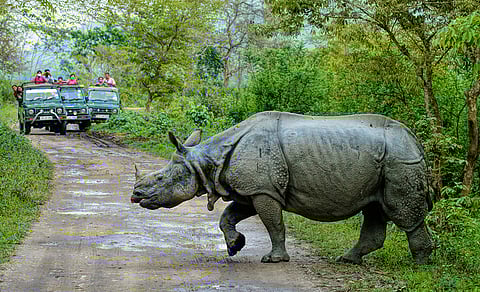
Meet the one-horned rhino in Kaziranga Shutterstock
January is prime wildlife season in Kaziranga. The grasslands are shorter, visibility is excellent, and animals congregate near water sources. Jeep and elephant safaris offer high chances of spotting the one-horned rhinoceros, along with wild buffalo, elephants, and migratory birds. The weather remains cool and dry, making early-morning safaris far more comfortable than in warmer months. For nature lovers, this is Kaziranga at its most generous.
Advertisement
What to expect: Peak wildlife sightings, shorter grasslands, and excellent safari conditions in cool, dry weather.
What to carry: Neutral-coloured clothing, binoculars, warm layers for early-morning safaris.
Keoladeo National Park, Bharatpur, Rajasthan
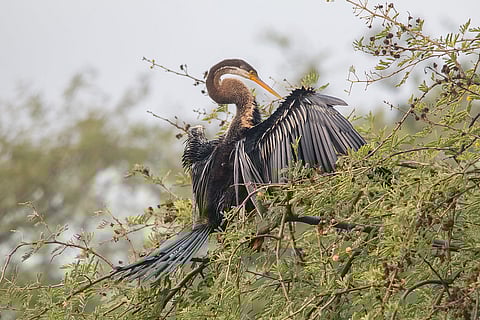
An Oriental Darter at Keoladeo National Park Peter R Steward/Flickr
If birdwatching is your idea of romance (valid), January is unbeatable at Keoladeo. Thousands of migratory birds arrive during winter, transforming the park into a living aviary. The cool weather makes cycling or walking through the wetlands pleasant, and mornings are filled with birdsong and misty beauty. It’s one of India’s most peaceful UNESCO experiences this time of year.
What to expect: A vibrant influx of migratory birds, misty mornings, and calm cycling or walking trails through wetlands.
What to carry: Binoculars, comfortable walking shoes, light winter layers.
Mahabalipuram, Tamil Nadu
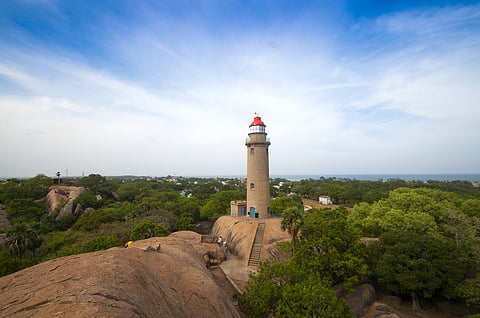
Lighthouse in Mahabalipuram, Tamil Nadu Shutterstock
January offers relief from Tamil Nadu’s humidity, making it the ideal time to explore Mahabalipuram’s Shore Temple and rock-cut monuments. The sea breeze is gentle, skies are mostly clear, and walking along the UNESCO-listed coastline feels effortless. Winter light beautifully highlights the stone carvings, while the calm weather makes combining heritage exploration with beach time entirely doable.
Advertisement
What to expect: Lower humidity, pleasant coastal breezes, and clear days for temple and shoreline exploration.
What to carry: Light cotton clothing, sun protection, comfortable sandals or walking shoes.
Ajanta Caves, Maharashtra
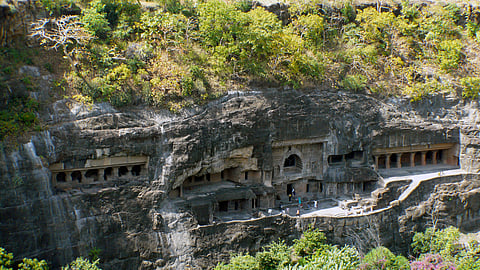
The UNESCO World Heritage Site of the Ajanta Caves Eduardo Cabanas/Shutterstock
January’s dry, cool conditions are perfect for navigating Ajanta’s rock-cut caves without the discomfort of heat or slippery monsoon paths. The murals—depicting Buddhist tales and royal life—are easier to admire when you’re not rushing through. Winter also means fewer weather-related disruptions, allowing a more focused, museum-like experience within this ancient artistic treasure.
What to expect: Cool, dry conditions that make cave exploration comfortable and murals easier to appreciate.
What to carry: Good walking shoes, a light jacket, water bottle.
Valley Of Flowers & Nanda Devi (For Planning Ahead)
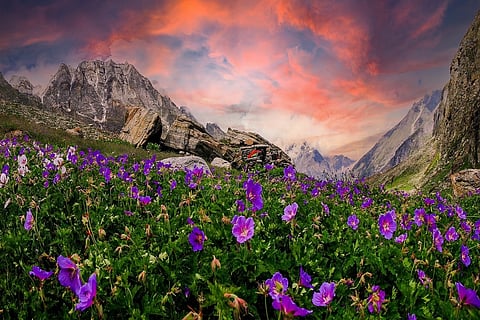
The valley of flowers is known for its breathtaking beauty Ekantak/Shutterstock
While the Valley of Flowers itself is closed in January due to snow, this month is ideal for planning permits, routes, and future visits to this UNESCO-listed biosphere. Nearby winter landscapes around Nanda Devi offer dramatic Himalayan views, and January works well for cultural exploration in Uttarakhand before the trekking season begins.
Advertisement
What to expect: Snowbound landscapes and limited access—January is best for planning, permits, and nearby winter scenery.
What to carry: Warm winter clothing if visiting surrounding regions, travel documents for future bookings.
Since January is peak season for many of these sites—book accommodations, guides, and safari permits early. History waits, but hotel availability does not.
FAQs
1. Why is January a good time to visit UNESCO sites in India?
January offers cool, dry weather across most regions, making sightseeing, wildlife safaris, and walking tours far more comfortable.
2. Are all UNESCO sites in India open in January?
Most cultural and historical sites are open, but some natural sites like the Valley of Flowers remain closed due to snow.
3. Is January a crowded month for UNESCO destinations?
It is peak season for popular sites, especially in Rajasthan, Agra, and Hampi, so advance bookings are recommended.
4. What kind of weather should travellers expect in January?
Expect mild daytime temperatures, chilly mornings and evenings, and generally clear skies across most regions.
Advertisement
5. What should travellers pack for visiting UNESCO sites in January?
Layered clothing, comfortable walking shoes, sun protection, and light winterwear for early mornings are essential.
Published At: