A major change is coming to two of India’s most sacred pilgrimage sites. Starting this year, non-Hindus will not be allowed to enter the temple complexes of Badrinath and Kedarnath in Uttarakhand. The decision, taken by the temple authority that manages the shrines, will come into effect before the start of the Char Dham Yatra season and has already sparked nationwide debate about religion, tradition, and access to sacred spaces.
Non-Hindus Barred From Badrinath And Kedarnath From 2026: What The New Temple Rule Means For Char Dham Pilgrims
In a major decision ahead of the 2026 Char Dham Yatra, the Badrinath-Kedarnath Temple Committee has banned non-Hindus from entering the sacred shrines and 45 other temples in Uttarakhand, sparking debate over faith, tradition, and access

Advertisement
The decision was approved during a meeting of the Badrinath-Kedarnath Temple Committee in Dehradun under its chairman Hemant Dwivedi. According to officials, the rule will be implemented from the upcoming pilgrimage season, meaning only followers of Sanatan Dharma will be allowed to enter the temple complexes and sanctum areas of both shrines.
The move does not apply only to the two famous Char Dham shrines. In total, 47 temples under the committee’s administration will enforce the restriction, including several smaller but historically important temples linked to the Char Dham circuit.
Temple authorities say the decision is meant to preserve the sanctity of the shrines. Dwivedi argued that Badrinath and Kedarnath are not tourist destinations but sacred spiritual centres established within the Sanatan tradition. He also pointed out that Article 26 of the Indian Constitution allows religious denominations to manage their own religious affairs.
The rule will take effect ahead of the annual Char Dham Yatra, one of India’s largest pilgrimage journeys that draws lakhs of devotees every year to the Himalayan shrines of Badrinath, Kedarnath, Gangotri, and Yamunotri.
Advertisement
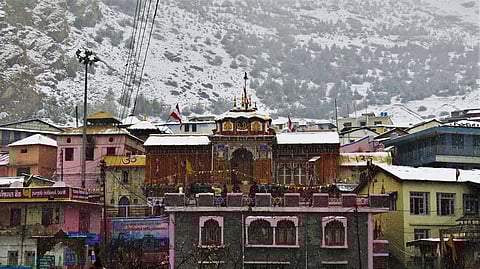
The Badrinath Temple in winter sachinakt1/Shutterstock.com
Reactions, Concerns And The Wider Debate
The decision has triggered mixed reactions across the country. Some religious leaders and supporters say the move protects the spiritual character of the temples and aligns with long-standing traditions that prioritise devotees of the faith. Others have raised constitutional and social concerns, arguing that barring entry based on religion may conflict with principles of equality and inclusivity.
Political leaders and religious groups have quickly entered the conversation. Some critics believe the decision could widen social divides, while supporters argue that many religious sites across the world already limit entry to followers of a particular faith, and see the move as a way to protect the sanctity of the temples.
At present, the Uttarakhand government has not brought in any statewide rule on the issue. The restriction applies only to temples managed by the Badrinath Kedarnath Temple Committee. As the Char Dham Yatra approaches, the implementation of the rule and its impact on pilgrims and tourism will remain closely watched.
Advertisement
(With inputs from various sources)
FAQs
1. What is the new rule for Badrinath and Kedarnath temples?
The Badrinath-Kedarnath Temple Committee has decided that only followers of Sanatan Dharma will be allowed to enter the temple complexes of Badrinath Temple and Kedarnath Temple.
2. When will the Badrinath and Kedarnath entry rule start?
The rule will take effect from the 2026 pilgrimage season before the annual Char Dham Yatra begins.
3. Does the rule apply only to Badrinath and Kedarnath?
No. The restriction will apply to a total of 47 temples managed by the Badrinath-Kedarnath Temple Committee.
4. Why was the rule introduced?
Temple authorities say the decision is meant to preserve the spiritual sanctity and religious traditions of the shrines.
5. Has the Uttarakhand government introduced a statewide rule?
No. The restriction currently applies only to temples managed by the committee and is not a statewide government policy in Uttarakhand.
Advertisement

Published At: