The Vande Bharat Sleeper Express marks India’s entry into high-speed, long-distance overnight rail travel, combining sleeper accommodation with the technology and design of the Vande Bharat platform. With the service scheduled to launch next week, passengers should note an important departure from conventional railway booking rules.
Next Week, Vande Bharat Sleeper Hits The Tracks: Faster, Premium, No Waitlists
India’s first Vande Bharat Sleeper Express is set to launch next week, offering fully AC overnight travel with 16 coaches, confirmed-only tickets, no RAC, and faster journeys compared to existing premium trains like the Rajdhani Express

Advertisement
The Vande Bharat Sleeper Express will not offer Reservation Against Cancellation (RAC) and will issue only confirmed tickets. A Railway Board circular dated January 9 states that there will be no provision for RAC, waitlisted or partially confirmed tickets, with all berths made available at the start of the advance reservation window.
“Minimum chargeable distance shall be 400 km…Only confirmed tickets shall be issued for this train. Accordingly, there shall be no provision for RAC/waitlisted/partially confirmed tickets. All available berths will be available from the day of Advance Reservation Period (ARP),” said the Railway Board in its circular issued January 9.
Digital Bookings, Steeper Fares
Passengers should also brace for a steeper fare structure. Tickets on the Vande Bharat Sleeper Express are expected to cost more than those on some top-tier trains like the Rajdhani Express. Travellers will have to pay at least the fare applicable for a minimum journey of around 400 km, regardless of the actual distance travelled.
Advertisement
Bookings for the Vande Bharat Sleeper Express will be available exclusively through digital platforms. The automated reservation system will ensure preferential allocation of lower berths to male passengers aged 60 years and above and female passengers aged 45 years and above.
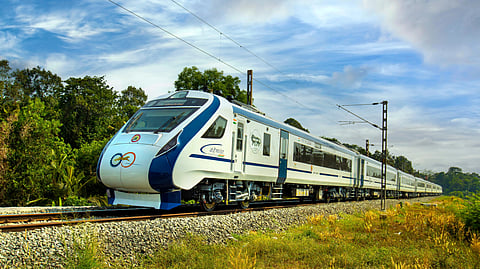
Vande Bharat trains are being launched on different routes (Representational image) Shutterstock
Ticket pricing will follow a distance-based formula, with fares set at INR 2.4 per km for 3AC, INR 3.1 per km for 2AC and INR 3.8 per km for First AC. For journeys of up to 400 km, passengers will pay a minimum fare of INR 960 in 3AC, INR 1,240 in 2AC and INR 1,520 in First AC, excluding Goods and Services Tax (GST). On longer routes extending up to 3,500 km, First AC fares can rise to as much as INR 13,300.
Standard Quotas, No Special Additions
In the category of quotas, there have been no changes. The Vande Bharat Sleeper Express will operate under the standard reservation rules followed by premium long-distance trains. Designated quotas will continue for women, senior citizens, persons with disabilities (PwD) and railway employees travelling on duty passes.
Advertisement
Railway officials have made it clear that these categories will be accommodated strictly within the existing quota system, with no additional reservations created specifically for the new sleeper service. The eligibility criteria for duty passes will be aligned with those applicable to Rajdhani-type trains.
Route And Speed
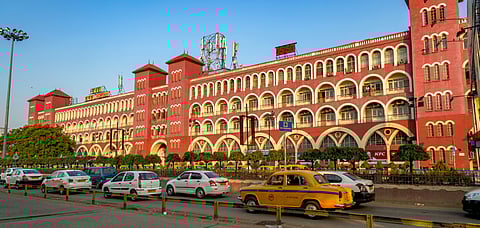
The first Vande Bharat Sleeper Express will serve 10 stations across eastern India, including Howrah Shutterstock
The first Vande Bharat Sleeper Express will serve 10 stations across eastern India, passing through seven districts in West Bengal — including Howrah, Malda, Jalpaiguri and Cooch Behar — before entering Assam with scheduled stops in Kamrup Metropolitan and Bongaigaon. Planned as an overnight service, the train will leave its origin late in the evening and reach its destination the next morning. The rake will consist of 16 fully air-conditioned coaches, comprising 11 3AC, four 2AC and one First AC coach.
Although the Vande Bharat Sleeper is engineered for speeds of up to 180 kmph, operational limits on this corridor will restrict it to a maximum of 130 kmph for safety reasons. Even with this cap, the service is expected to be significantly faster than existing options, with Rajdhani Express trains on the route averaging speeds of only 80–90 kmph.
Advertisement
(With inputs from various sources.)
FAQs
What is the Vande Bharat Sleeper Express?
The Vande Bharat Sleeper Express is India’s first long-distance overnight version of the Vande Bharat train, featuring fully air-conditioned 3AC, 2AC, and First AC sleeper coaches.
Will there be RAC or waitlist tickets?
Unlike other long-distance trains, the Vande Bharat Sleeper Express will issue only confirmed tickets.
What quotas and booking rules apply?
Quotas for women, senior citizens, persons with disabilities (PwD), and duty-pass holders will follow existing rules. All bookings must be made digitally.
What is the route and speed of the train?
The first service will run from Howrah to Guwahati, stopping at 10 stations across West Bengal and Assam. It will operate at a maximum of 130 kmph, faster than the Rajdhani Express.
Published At: