

India is kicking off 2026 with a clean-energy milestone on the rails. After months of preparation, testing and steady media buzz, the country’s first hydrogen-powered train has rolled out for trial runs in Haryana, a small but meaningful step in Indian Railways’ long march towards cleaner transport.
The initial tests are taking place on the Jind–Sonipat route, a non-electrified stretch that has long relied on diesel trains. If everything goes smoothly, officials say passenger services could begin later this year. That would place India among a relatively small group of countries, including Germany, Japan and China, experimenting seriously with hydrogen traction on rail.
A Greener Way Forward
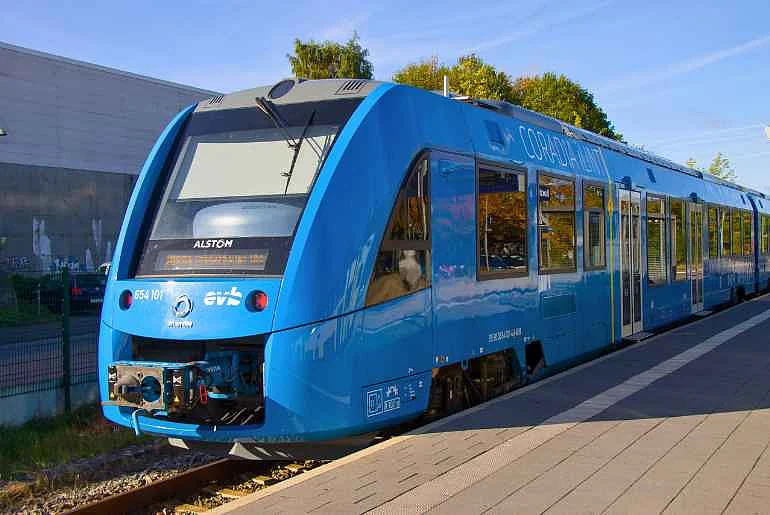
At first glance, the train looks much like any modern passenger set. The difference lies in what you don’t see or smell. There’s no diesel exhaust, no engine roar, just water vapour drifting out as the only emission.
The project has been developed entirely in India. The Integral Coach Factory in Chennai built the train, while the Research Designs & Standards Organisation laid down the technical groundwork. The result is a 10-coach formation with two power cars, each producing 1,200 kW, making it the most powerful hydrogen train ever designed for broad-gauge tracks.
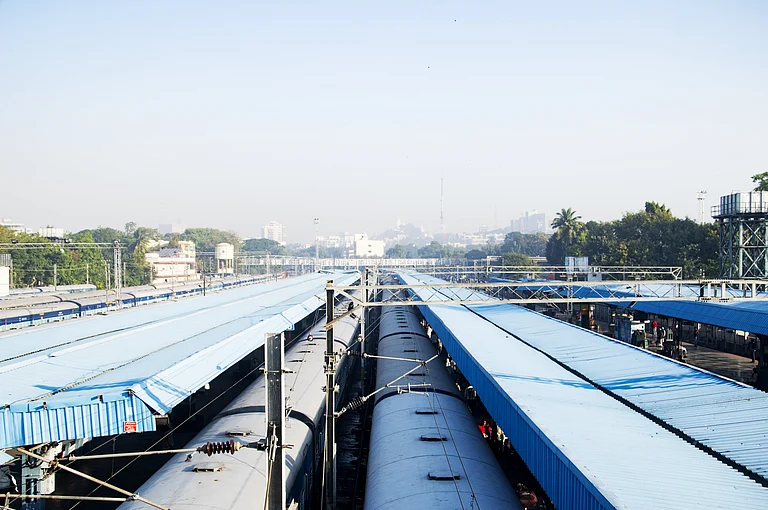
Haryana’s role is more than symbolic. The 90-kilometre Jind–Sonipat section was chosen precisely because it hasn’t been electrified, making it an ideal testing ground for alternatives to diesel. For now, the focus is on safety and performance, checking how the train behaves at speed, how it brakes, and how it handles real-world conditions.
The thinking is practical rather than flashy. Electrification is expensive and time-consuming, especially across India’s vast regional network. If it proves reliable, hydrogen could offer a much cleaner option without the need for overhead wires.
Fuel Beside The Tracks


The train’s story doesn’t end on the rails. Just outside Jind, India’s largest hydrogen production and storage facility has been built to support the pilot. Costing around INR 120 crore, the plant can store up to 3,000 kilograms of hydrogen and runs on a dedicated high-voltage power supply to keep production steady.
Engineers have spent weeks shoring up backup systems and monitoring arrangements. Any disruption in power could bring operations to a halt, so reliability is everything at this stage.
While the technology is pretty straightforward in principle, but is complex in execution. Hydrogen is produced from water using electrolysis, then fed into fuel cells onboard the train. When hydrogen meets oxygen, electricity is generated, powering everything from the traction motors to air-conditioning and lights. Excess energy is stored in lithium-ion batteries for later use.
During trials, the train is expected to run at speeds of up to 140 km/h, potentially cutting the journey between Jind and Sonipat from two hours to about one. It can carry around 2,500 passengers and features automatic doors and digital information displays. Engineers estimate it uses roughly 900 grams of hydrogen per kilometre, with no tailpipe emissions at all.
Cautious Optimism
Despite the excitement, railway officials are keen to keep expectations measured. This is still a pilot project, and meaningful cost comparisons with diesel or electric trains will take time. India is only just beginning to build the supply chains, skills and regulatory frameworks needed for hydrogen at scale.
Even so, the implications are significant. If hydrogen proves viable on non-electrified routes, it could become a third pillar of traction for Indian Railways, alongside diesel and electric, a notable shift for the world’s fourth-largest rail network.
For now, the pieces are coming together. The train has been built, the fuel plant is nearing full commissioning, and trial runs are progressing as planned. An inaugural passenger service could follow soon, with both state and central governments keen to showcase the project as a symbol of sustainable transport.
For Haryana, hosting the trials, and the country’s largest hydrogen facility, has become a point of pride. For passengers, the benefits are more tangible: quieter journeys, cleaner air and less reliance on imported fuel.
As the hydrogen train glides through Haryana’s winter haze, it doesn’t feel like a flashy experiment so much as a practical glimpse of what might come next. For Indian Railways, it’s another small but decisive move towards a cleaner, more modern future, and perhaps the start of a new chapter in how the country moves.
(With inputs from various sources.)
FAQs
1. Where is India’s first hydrogen train being tested?
It is undergoing trial runs on the Jind–Sonipat route in Haryana under Northern Railway.
2. When will the hydrogen train start passenger services?
It is expected to begin passenger services after successful trials and approvals, likely within 2026.
3. What makes the hydrogen train environment-friendly?
It runs on fuel cells that emit only water vapour, producing zero carbon emissions.
4. Who developed the hydrogen train?
The train-set was designed and manufactured by the Integral Coach Factory (ICF) in Chennai with specifications from RDSO.
5. How is hydrogen produced for the train?
Hydrogen is generated via electrolysis at a dedicated plant in Jind, which stores up to 3,000 kg for operations.