On April 22, 2025, terrorists opened fire on tourists at Baisaran meadow near Pahalgam, killing 26 civilians, most of them visitors. The attack shook the tourism industry and prompted authorities to shut down nearly 50 scenic destinations across Jammu and Kashmir as a precautionary security measure. The closures disrupted travel plans, slashed visitor arrivals, and hurt local businesses that depend on tourism.
Jammu And Kashmir Reopens 14 Tourist Spots After 2025 Pahalgam Attack
Jammu and Kashmir has reopened 14 tourist destinations that were closed after the deadly 2025 Pahalgam terror attack. This course of action will push travel confidence and boost the local economy

Advertisement
Lieutenant Governor Manoj Sinha ordered the reopening of 14 tourist spots after a thorough security review with police, intelligence and civil authorities. Eleven sites in the Kashmir Valley and three in the Jammu region will now welcome tourists immediately. Eleven destinations reopening now in Kashmir are Yousmarg, known for its tranquil alpine meadows; Doodhpathri, often called the Valley of Milk for its lush pastures; Dandipora Park in Kokernag; Peer Ki Gali, famed for scenic mountain views; Dubjan and Padpawan in Shopian; Astanpora; the Indira Gandhi Memorial Tulip Garden in Srinagar, Asia’s largest garden filled with millions of blooming tulips; Thajwas Glacier near Sonamarg; Hung Park in Ganderbal; and Wullar and Watlab in Baramulla. Three destinations in the Jammu division reopening immediately are Devi Pindi in Reasi, Mahu Mangat in Ramban and Mughal Maidan in Kishtwar.

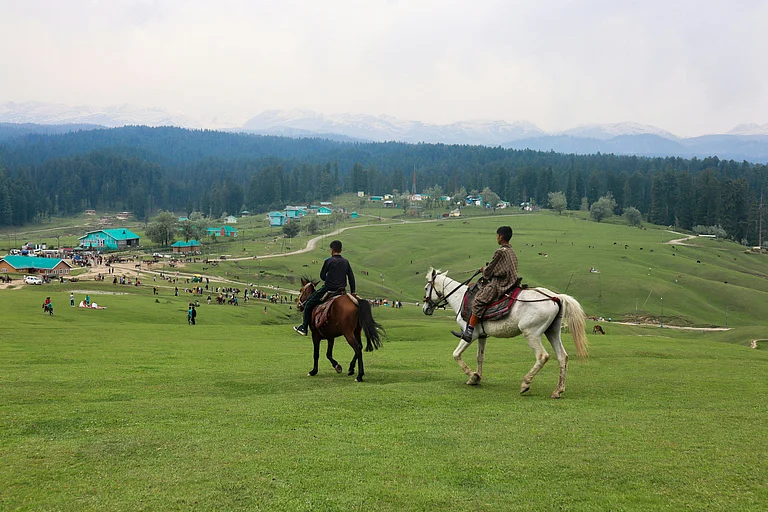
A vast meadow landscape in Yousmarg, Kashmir Mysara Hassan/Pexels
Authorities also said that additional sites, including Gurez, Athwatoo and Bangus in north Kashmir and Ramkund in Ramban, will be reopened once snow clearance is completed and safe access is ensured.
Advertisement
What Tourists Can Expect And Precautions In Place
Tourists visiting these reopened locations can now enjoy lush meadows, scenic valleys, historic parks and serene lake views that define Jammu and Kashmir’s natural beauty. The Tulip Garden near Dal Lake draws visitors with colourful blooms against the Zabarwan hills in the spring. At the same time, alpine retreats like Yousmarg and Doodhpathri offer hiking, photography and picnicking opportunities. Wullar Lake and glacier sites like Thajwas provide peaceful nature experiences and panoramic landscapes for travellers.

Dal Lake is one of the many water tourism sites in India Wikimedia Commons
Security has been tightened at all reopened destinations to ensure visitor safety. Law enforcement and administration officials have increased patrols, increased surveillance, and set up rapid response teams to respond quickly to incidents. Officials recommend that visitors abide by established visitor guidelines, if travelling to areas with a high risk of snowfall, to travel as much as possible in groups, and to stay informed regarding weather and road conditions.
Advertisement
Lieutenant Governor Sinha said the reopening follows improved security conditions and consultation with central and local agencies to safeguard visitors. He emphasised that reopening these attractions will generate revenue for tourism, as well as providing jobs for local residents within the hospitality, transportation, and handicraft sectors. The reopening has been welcomed by operators because it gives them greater access to the attractions before the spring and summer tourist seasons, therefore giving both domestic and international tourists the chance to gain confidence in travelling to this area of the country.
(With inputs from various sources.)
FAQs
1. Which tourist spots have reopened in Jammu and Kashmir?
Fourteen destinations have reopened, including Yousmarg, Doodhpathri, the Indira Gandhi Memorial Tulip Garden in Srinagar, Thajwas Glacier, Wullar Lake, Devi Pindi and Mughal Maidan.
2. Why were these tourist destinations closed?
Nearly 50 scenic spots were shut after the April 22, 2025, terror attack near Pahalgam as a precautionary security measure.
Advertisement
3. Is it safe to travel to Kashmir now?
Authorities have increased security patrols, surveillance and rapid response measures at reopened sites. Visitors are advised to follow official travel guidelines and stay updated on weather and road conditions.
4. Will more tourist places reopen in Jammu and Kashmir?
Yes, additional sites such as Gurez, Bangus and Ramkund are expected to reopen once snow clearance and safety checks are completed.
5. How will reopening affect Kashmir’s tourism sector?
Officials say reopening will help restore traveller confidence, revive local businesses and generate employment in hospitality, transport and handicrafts ahead of peak tourist seasons.
Published At: