Nagaland is preparing for the 27th edition of the Hornbill Festival, its annual celebration of Naga culture and heritage, from December 1 to 10, 2026. Held at the Naga Heritage Village in Kisama, approximately 12 km from Kohima, this year's festival will follow the theme 'Cultural Connect.' Organised by the state government, the ten-day event brings together communities from across Nagaland through traditional performances, indigenous games, local food, crafts and contemporary music.
Hornbill Festival 2026: ILP Rules, Where To Stay And Everything Travellers Need To Know
The 27th edition of Nagaland's Hornbill Festival takes place from December 1 to 10 at Kisama Heritage Village. From mandatory Inner Line Permits and cultural performances to local food and accommodation, here is a guide to planning your visit

Advertisement
One important entry requirement visitors should take care of before setting out is the Inner Line Permit (ILP). Nagaland Chief Minister Neiphiu Rio has reiterated that the permit is mandatory for all non-indigenous persons entering the state, including Indian and foreign nationals. The requirement is separate from the festival's entry ticket and applies under the Bengal Eastern Frontier Regulation, 1873. With applications available online, travellers should arrange their permits before arriving in Nagaland.
Hornbill Festival 2026: Who Needs an ILP And How To Apply?
Indian citizens who are not indigenous inhabitants of Nagaland must obtain an ILP to enter the state. The application process has been digitised, and visitors can apply through the official Nagaland ILP portal.
For domestic tourists, the permit costs INR 200 per person and is valid for 30 days. Applicants must upload a recent passport-sized photograph and one of the following identity documents: Aadhaar card, PAN card, voter ID, bank passbook or ration card. Visitors from the Karbi Anglong, Dima Hasao, Karimganj and Hailakandi districts of Assam must additionally upload their NRC in English.
Advertisement
The process involves selecting the tourist category, entering a registered phone number, verifying the OTP and completing the application. Tourists do not need a local guarantor but must provide a local contact. Once approved, the permit can be downloaded from the portal. It is advisable to complete the process well before departure rather than leave it until arrival.
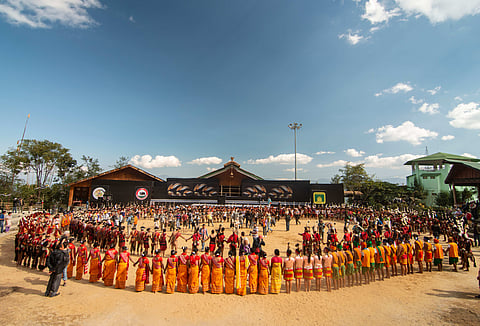
Performances at the Festival Shutterstock
What About Foreign Tourists?
Foreign nationals who are not indigenous inhabitants of Nagaland must also obtain an Inner Line Permit (ILP), according to the state's updated guidelines. The official portal lists a separate foreign tourist category, with a fee of INR 500 and a validity of 30 days. Applicants must provide their passport, visa and Protected Area Permit (PAP) documentation, as applicable.
However, there is a temporary relaxation concerning the PAP requirement. According to a November 17 announcement by Nagaland's Home Department, the Ministry of Home Affairs has relaxed the PAP requirement for foreign tourists visiting the state between November 26 and December 15 every year. This covers the entire Hornbill Festival period in 2026. Nationals of Afghanistan, China and Pakistan, as well as foreign nationals originating from these countries, will continue to require prior approval from the Ministry of Home Affairs.
Advertisement
The PAP relaxation does not exempt foreign visitors from the ILP requirement. Foreign tourists should also check the applicable Foreigners Registration Officer (FRO) registration requirements before travelling. They should complete the prescribed registration through the online e-FRRO system within 24 hours of arrival, as applicable.
What To Expect At The Hornbill Festival 2026
The main celebrations take place at Kisama, where visitors can explore traditional morungs (community houses), watch cultural performances and discover the crafts and food of different Naga communities.
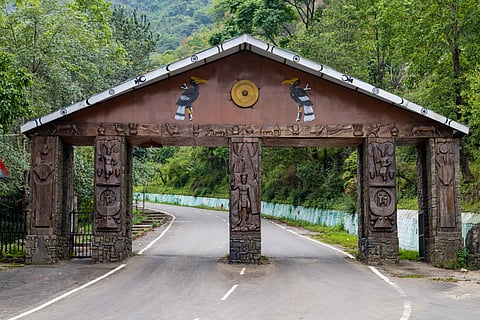
Gateway to the Kisama Heritage Village Shutterstock
The Department of Art and Culture has announced daily performances at Unity Plaza featuring 18 cultural troupes from across the state. These will include folk dances and songs, indigenous games, demonstrations of traditional rituals and folk dramas. The festival will also host an art exhibition-cum-fair at the Exhibition Hall in the World War II Museum complex. An archival exhibition titled 'Colonial Inroads & Resistance (1832–1947)' will feature historical research, publications, community dictionaries and material on Naga customary practices.
Advertisement
The World War II Museum at Kisama will be open from 10 am to 4 pm during the festival. Visitors interested in exploring more of the region's history can also visit the State Museum in Kohima, which is open on working days from 9:30 am to 3:30 pm.
Music remains another major attraction. The Hornbill Music Festival, organised by the Task Force for Music and Arts (TaFMA), will run alongside the cultural celebrations. Its official website lists evening performances between 6 pm and 9 pm.
A new addition this year is guided stargazing at Kisama through a partnership between the Nagaland government and astro-tourism company Starscapes Experiences. The programme is expected to give visitors an opportunity to observe lunar craters, Saturn's rings and the Pleiades star cluster through 8-inch Dobsonian telescopes. December 8 to 10 has been identified as a particularly favourable viewing window, although actual visibility will depend on weather and sky conditions. Visitors should check the latest announcements for session timings and booking details.
Advertisement
The Hornbill Festival's Mon Extension
The celebrations will extend beyond Kisama this year, with a second edition of the Hornbill Festival extension scheduled at the Konyak Heritage Complex in Mon from December 8 to 10. The Department of Art and Culture will organise cultural programmes and an art exhibition, including an artist corner where local works will be displayed and offered for sale.
For travellers planning a longer Nagaland itinerary, the extension offers another opportunity to experience the state's cultural diversity. Mon is in the state's eastern region, so visitors should account for the additional travel time and arrange accommodation and transport separately rather than treating it as a quick excursion from Kohima.
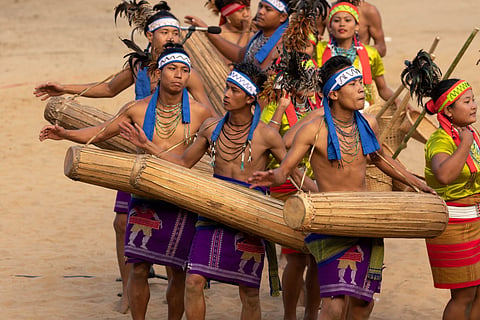
Garo drums being played at the festival Shutterstock
How To Reach Kisama Heritage Village
Dimapur is home to the nearest airport and railway station for visitors travelling to Nagaland. From Dimapur, Kohima is approximately 74 km away by road, with the journey usually taking around two to three hours, depending on traffic and road conditions. Visitors can hire a private taxi, take a shared cab or check Nagaland State Transport bus services.
Advertisement
Kisama Heritage Village is another 12 km from Kohima along the National Highway. Taxis are available from the town, but festival traffic can cause delays. Arranging local transport through your accommodation in advance is a sensible option, particularly when planning to attend evening events. It is also worth confirming your return journey with the driver beforehand, as demand for vehicles can increase after the performances.
Where To Stay And What To Eat
Kohima is the most convenient base for exploring the festival and the surrounding attractions. The town has hotels, guesthouses, paying guest accommodation and homestays. Travellers looking to stay closer to Kisama can also explore accommodation in neighbouring areas such as Phesama and Kigwema, where homestays offer an opportunity to experience local hospitality.
With visitors arriving from across India and abroad, accommodation can fill up quickly during the festival. Booking well in advance is advisable, particularly for those looking to stay near Kisama. Travellers should confirm the distance from their accommodation to the festival grounds and check whether local transport is available.
Advertisement
Food is an important part of the experience at Kisama, with stalls showcasing preparations from different Naga communities. Look out for smoked pork cooked with bamboo shoot, axone (fermented soybean) and anishi (fermented colocasia leaves). You can also try galho, a warming rice-based preparation cooked with vegetables and sometimes meat.
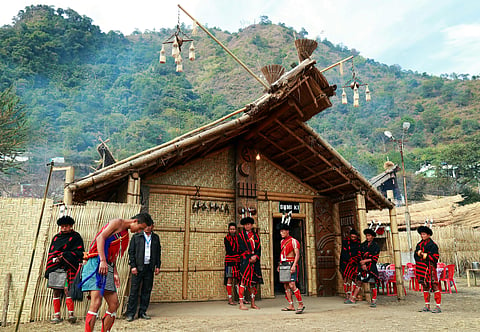
A traditional Sumi Naga morung (youth dormitory) at Naga Heritage Village Unsplash
Recipes vary between communities and households, so ask vendors about the preparation and ingredients in case of dietary restrictions. Vegetarian travellers should check whether broths, stocks or animal fats have been used in a preparation. Naga cuisine can also feature generous amounts of chilli, so ask about the spice level before ordering.
Visitors should also check the festival's latest official announcements for entry ticket prices, photography charges and purchase arrangements. These are separate from the ILP, which is a permit to enter Nagaland rather than admission to the festival grounds.
How To Travel Responsibly And Respectfully
The Hornbill Festival offers visitors an opportunity to learn about Nagaland's many communities, but it is important to approach the experience with cultural sensitivity. The performances, traditional clothing, songs and rituals represent living cultural practices, not simply attractions staged for photographs.
Advertisement
Ask permission before photographing performers, artisans or local residents, particularly during ceremonies and demonstrations. Respect requests against photography and avoid entering restricted spaces within the morungs. Remember that Nagaland comprises several distinct communities, each with its own customs and traditions. Support local livelihoods by purchasing handicrafts directly from artisans and choosing community-run accommodation or local guides. Dispose of waste responsibly, avoid single-use plastics where possible and follow instructions at the festival grounds.
A visit to the Hornbill Festival can also be an opportunity to explore beyond the main celebrations. Allow time to discover Kohima and its surrounding villages, engage with local communities and learn about the region's history and traditions. Planning thoughtfully and travelling respectfully will help make the experience more meaningful.
FAQs
1. When is the Hornbill Festival 2026?
The 27th edition of the Hornbill Festival will take place from December 1 to 10, 2026, at the Naga Heritage Village in Kisama, approximately 12 kilometres from Kohima.
Advertisement
2. Is an Inner Line Permit mandatory for visiting the Hornbill Festival?
Yes. Non-indigenous Indian and foreign nationals must obtain an Inner Line Permit (ILP) to enter Nagaland. Domestic tourist permits cost INR 200 and are valid for 30 days, while foreign tourist permits cost INR 500 and have the same validity.
3. Do foreign tourists need a Protected Area Permit to visit Nagaland during the Hornbill Festival?
The PAP requirement has been temporarily relaxed for foreign tourists visiting Nagaland between November 26 and December 15, 2026. However, the ILP requirement remains in place. Nationals of Afghanistan, China and Pakistan, and foreign nationals originating from these countries, require prior approval from the Ministry of Home Affairs.
4. How can visitors reach the Hornbill Festival venue at Kisama?
Dimapur Airport and Dimapur Railway Station are the nearest major transport hubs. From Dimapur, visitors can travel approximately 74 kilometres by road to Kohima and then another 12 kilometres to Kisama Heritage Village. Taxis, shared cabs and state transport services are available.
Advertisement
5. Where should visitors stay during the Hornbill Festival?
Kohima is the most convenient base, with hotels, guesthouses and homestays. Visitors can also look for accommodation in nearby villages such as Kigwema and Phesama. Booking in advance is recommended because accommodation demand increases during the festival.

Published At: