Cyclone Arnab is approaching India’s eastern coast, with Andhra Pradesh bracing for landfall and several states preparing for heavy rainfall, strong winds, and possible disruptions. As the weather system intensifies over the Bay of Bengal, authorities in Andhra Pradesh and Odisha have begun evacuation measures, while transport services are facing cancellations and suspensions. West Bengal, Jharkhand, and parts of Uttar Pradesh are also expected to experience rainfall as the system moves inland. Here is everything to know about Cyclone Arnab, including its expected landfall, wind speeds, areas likely to be affected, and the precautions being taken ahead of the storm.
Cyclone Arnab: Which States Will Be Affected And What Travellers Should Know
From expected landfall and wind speeds to cancelled trains and evacuation measures, here is everything to know about Cyclone Arnab

Advertisement
Cyclone Arnab is named under the regional tropical cyclone naming system used for storms in the North Indian Ocean. The name was proposed by Bangladesh and is associated with a Bengali word meaning ocean or sea.
When And Where Will It Make Landfall?
Cyclone Arnab is expected to make landfall along the Andhra Pradesh coast near Yanam by the forenoon of October 28, 2026. The storm is forecast to bring sustained wind speeds of 125–135 kmph, with gusts reaching 150 kmph, raising concerns about damage to infrastructure, fallen trees, and disruptions to road and rail connectivity.
Authorities have stepped up preparedness measures in coastal districts, with evacuations underway in vulnerable areas. In the Kakinada region, around 89,000 people have been evacuated to 101 relief camps. In Visakhapatnam district, 10,176 households across 37 villages have been identified as being at risk. Officials have established 54 relief camps that can accommodate 31,405 people.
Advertisement
Which States Will Be Affected?
Andhra Pradesh is expected to bear the brunt of the cyclone as it approaches the coast. Odisha is also preparing for adverse weather, with authorities planning to evacuate around 48,000 people from vulnerable areas. Several districts in southern Odisha have already started receiving rainfall as the cyclone moves closer to the mainland.
The effects are expected to extend beyond the immediate coastal belt. West Bengal and Jharkhand are bracing for heavy rainfall, while parts of Uttar Pradesh may also experience rain as the weather system progresses. The intensity and distribution of rainfall will depend on the cyclone’s movement and the associated weather conditions.
Residents in vulnerable areas have been advised to follow official weather bulletins and local administration instructions. Those living in low-lying locations and areas prone to flooding should remain alert to evacuation announcements and avoid travelling through waterlogged roads.
What About Travel Disruptions?
Advertisement
Cyclone-related precautions have begun affecting transport services. At least 61 trains have been cancelled as authorities prepare for the storm and assess potential risks to railway operations. Travellers planning journeys through affected parts of eastern and southern India should check the latest train schedules with the relevant railway authorities before leaving for stations.
In Odisha, boat services on Chilika Lake have been suspended from October 26 to October 29 as a precaution. The suspension is intended to reduce risks associated with rough weather and unsafe conditions on the water.
Road travel may also be affected by heavy rainfall, strong winds, fallen trees, and localised flooding. Travellers heading to coastal Andhra Pradesh or Odisha should monitor official advisories, reconsider non-essential journeys in areas under weather warnings, and confirm transport arrangements before setting out.
What Precautions Should Residents Take?

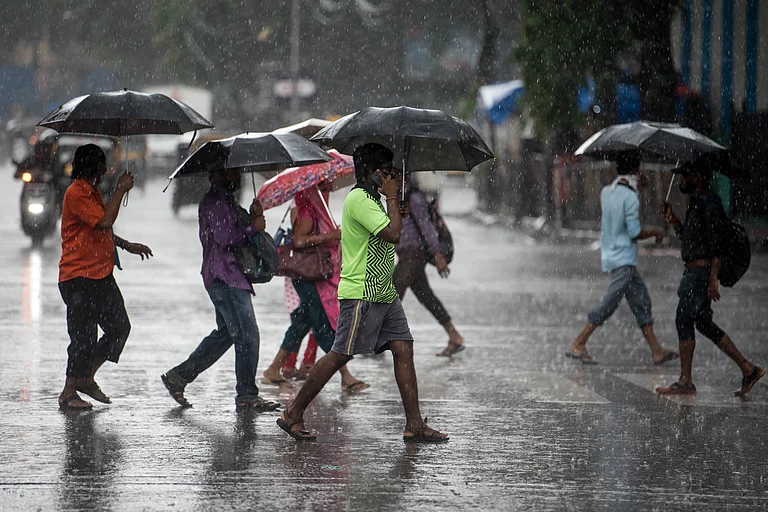
(Representational Image) Andhra Pradesh and Odisha have stepped up evacuation measures, with thousands of residents being moved to designated relief camps Unsplash
Residents in areas under cyclone warnings should follow instructions issued by local authorities and move to designated relief camps if asked to evacuate. It is advisable to keep essential medicines, drinking water, food, important documents, and charged mobile phones ready. People should also stay away from beaches, exposed coastal areas, and water bodies during periods of severe weather.
Advertisement
With the cyclone expected to approach the Andhra Pradesh coast on October 28, conditions may change rapidly. Residents and travellers should rely on updates from the India Meteorological Department and local administrations for the latest information on landfall, rainfall, wind speeds, and safety measures.
FAQs
1. When is Cyclone Arnab expected to make landfall?
Cyclone Arnab is expected to make landfall near Yanam on the Andhra Pradesh coast by the forenoon of October 28, 2026.
2. What wind speeds are forecast for Cyclone Arnab?
The storm is forecast to bring sustained winds of 125–135 kmph, with gusts reaching 150 kmph.
3. Which states are likely to be affected by Cyclone Arnab?
Andhra Pradesh and Odisha are preparing for the cyclone, while West Bengal, Jharkhand, and parts of Uttar Pradesh are also expected to receive rainfall.
4. Have train services been affected by Cyclone Arnab?
Yes. At least 61 trains have been cancelled as a precaution ahead of the approaching cyclone.
Advertisement
5. Why is the cyclone called Arnab?
The name Arnab was proposed by Bangladesh under the regional tropical cyclone naming system and is associated with a Bengali word meaning ocean or sea.
Published At: