

Most travel in Uttarakhand happens during a few months each year. Summer and the Char Dham Yatra attract the highest number of visitors, with April to June seeing the busiest movement. According to official data, Uttarakhand recorded over six crore visitors in 2025, with peak months accounting for a large share of this traffic.
As summer nears, the trend becomes more visible with busy hill towns, long traffic queues, and high hotel demand.
At the same time, signs show this is slowly changing. Earlier this year, a Winter Tourism Conclave in Uttarkashi highlighted travel during colder months and discussed expanding tourism beyond the usual season. Operators across the state notice small but steady shifts; more travellers show interest in off-season months, and attention is growing on experiences beyond peak-season travel.
“Efforts are being made to position Uttarakhand as an all-season tourism destination by diversifying tourism offerings beyond the traditional peak seasons,” said Dheeraj Singh Garbyal (IAS), Secretary of Tourism and CEO of the Uttarakhand Tourism Development Board. He added that segments such as winter tourism, adventure, wellness, and destination weddings are being promoted to ensure a more consistent flow of visitors year-round. "Uttarakhand Tourism Development Board has been actively promoting adventure tourism as a key segment, with the objective of developing the State as a year-round adventure tourism hub."
Rethinking The ‘Off-Season’ And Who Is Travelling

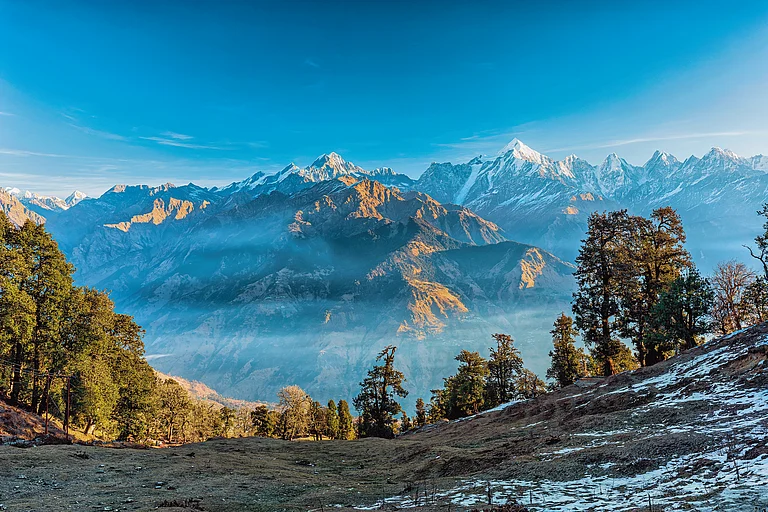
“Uttarakhand deserves to be positioned as an all-season destination; it’s a strategic and much-needed shift in general perspective,” said Sanjay Sharma, Sustainable Tourism Curator - Aramya Hospitality LLP. He pointed out that destinations like Tehri and Kanatal have long been treated as seasonal, even though their landscapes change significantly across the year, from monsoon greenery and mist to clear winter skies and phenomena like the winterline.
With better storytelling and infrastructure, these “off-season” months could become strong travel periods, he adds, noting growing interest in solitude, wellness, and nature-led experiences. This is reflected in how people travel, moving from short visits to longer, more intentional stays.
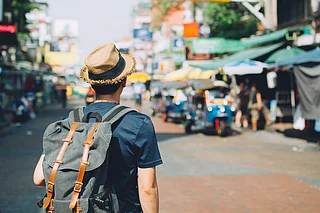
Sharma noted that the traveller base is widening to include experience-driven visitors, remote workers, long-stay guests, and niche segments such as wellness retreats and creative professionals.
Is Winter Season Gaining Momentum?
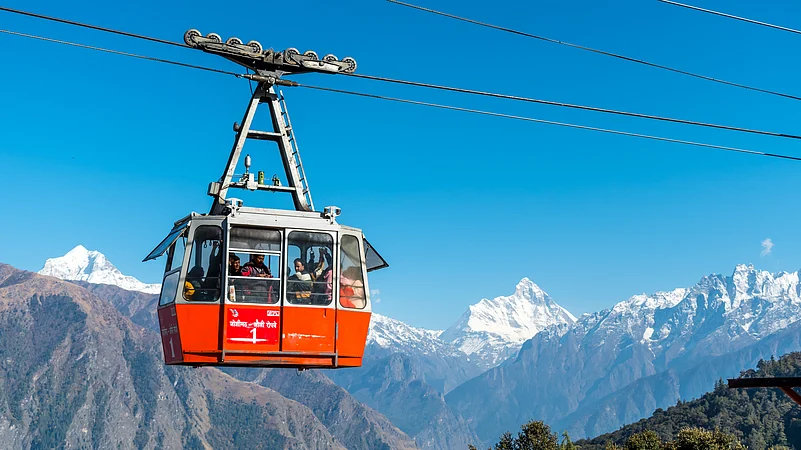
There is a growing focus on winter tourism in Uttarakhand, with efforts to improve infrastructure, promote snow-based experiences, and expand travel beyond the usual summer season.
According to Sourabh Lekhwar, Founder - Discover Uttarakhand, Uttarakhand has traditionally seen peak travel during the Char Dham season and summer months. However, the push towards winter tourism is reshaping traveller behaviour by encouraging visitors to explore the mountains, culture, and adventure offerings even in the colder months.
"We are witnessing a clear rise in demand for winter experiences such as Auli skiing, Chopta–Tungnath winter treks, wildlife tourism in Corbett, snow village stays in places like Munsiyari and Harsil, and spiritual retreats that remain accessible throughout the year," Lekhwar said. "This is helping extend the tourism calendar while also supporting local economies beyond peak periods."
He noted that efforts to support this shift are underway. These include better connectivity to snow-prone regions, promotion of guided winter treks, training for homestay operators, and introducing seasonal events like festivals and adventure activities.
Policy Push, Infrastructure, And Sustainability
Alongside this demand, efforts to build supporting infrastructure and manage long-term growth are underway.
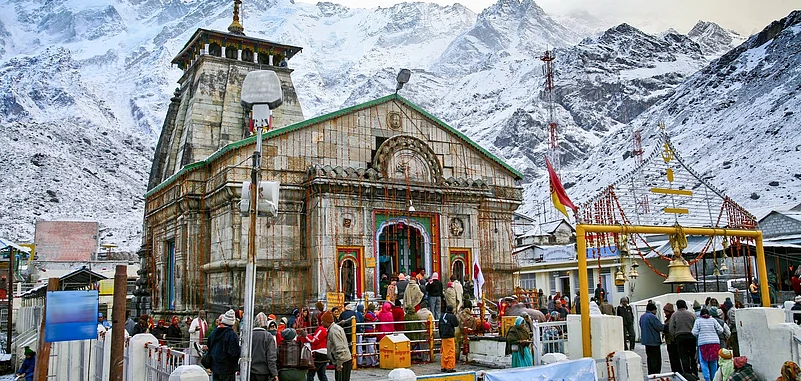
According to Garbyal, road connectivity to key and emerging destinations is being strengthened under central and state schemes. Ropeway projects in locations such as Kedarnath, Yamunotri, and Mussoorie are also being developed to improve accessibility, especially in difficult terrain.
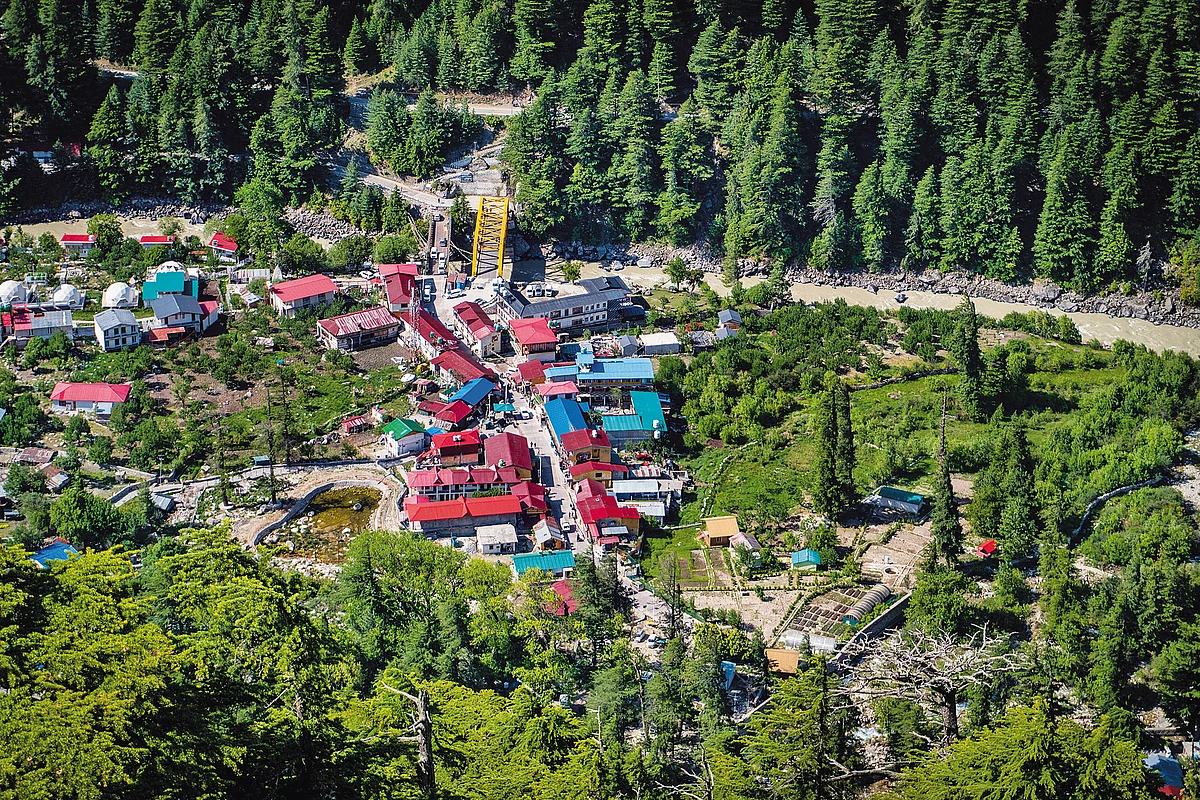
He highlighted the growth of homestays, with over 6,000 registered across the state, along with training and capacity-building initiatives to support local participation. This is important for promoting travel in rural and remote areas, including border villages.
The push towards year-round tourism is also being supported through diversification into niche segments. Wedding tourism is being promoted under the “Wed in India” campaign, positioning Uttarakhand as a destination for winter weddings to support the hospitality sector during quieter months.
Film tourism is another focus area, with the state recently being recognised as one of the most film-friendly destinations.
Additionally, emerging segments such as astro-tourism and birdwatching are being promoted in regions like Pangot, Sattal, and Munsiyari, while golf tourism is being positioned as a high-value, longer-stay activity aimed at boosting local economies.
There is also a focus on managing growth sustainably. Eco-tourism models, homestay-based travel, and community-led initiatives are encouraged to ensure tourism expansion does not pressure fragile mountain ecosystems. Developing alternative circuits, like the Manaskhand Temple Circuit and border village tourism, aims to reduce overcrowding in destinations like Mussoorie and Nainital while spreading tourist movement more evenly.
Additionally, tourist safety is a key priority, especially during challenging seasons like monsoon and winter. According to Garbyal, regular training programmes are conducted for guides, drivers, and other service providers to equip them with skills to handle emergencies. Authorities also promote alternative destinations and decentralise tourist movement to reduce overcrowding.
Is Demand For Adventure Travel Evolving In Uttarakhand?

In Rishikesh, where adventure tourism usually follows a fixed schedule, the change is slower but visible.
“Rishikesh has traditionally been a peak-season destination, with most travel concentrated between April and June and again from October to December,” Niharika Nigam, Managing Director, Jumpin Heights, told Outlook Traveller. Monsoon remains non-operational for many activities due to safety concerns.
Even so, travel patterns are beginning to shift.
“There is a clear shift in mindset, with travellers becoming more flexible and open to visiting beyond the usual peak months,” she said. Many choose less crowded periods for a more immersive experience. Winter, in particular, is gaining traction with cooler weather and clearer skies improving the experience.
Across seasons, certain activities continue to attract visitors. According to Nigam, bungee jumping remains popular year-round, while experiences like the Flying Fox tend to see more demand in winter due to better views. The Valley Rope Jump, which combines a free fall with a pendulum-like movement across the landscape, is emerging as a standout experience.
A more even flow of visitors helps operators improve operations.
“This gives a much-needed sense of stability,” Nigam shared. “Instead of everything happening within a limited peak period, work can be spread more evenly across the year.”
She added that safety remains constant regardless of demand. “Even if we have just one jumper, our entire safety system operates at full capacity. It’s not a numbers game, it’s about the quality of each experience.”
Challenges And What To Expect
While the shift is beginning to show, it remains uneven.
According to Sharma, seasonal challenges are real and need continued attention. He pointed to road conditions during the monsoon, landslides, and concerns around travel safety. In some regions, infrastructure gaps continue to affect operations, including water supply issues in places like Kanatal.
“There is intent, but execution will determine how far this shift can go,” he noted.
From a hospitality perspective, Sanjeev Kumar, General Manager at Naukuchia House, Nainital, said that, operationally, off-seasons require more effort. “During monsoons, connectivity can sometimes be unpredictable, and in winters, maintaining comfort levels for guests comes with its own challenges. Planning, staffing, and logistics all need to be more tightly managed.”
Despite its gradual pace, the evolving pattern is reshaping tourism in Uttarakhand. A steadier stream of visitors brings stability and increases opportunities to plan beyond the traditional peak.
Since the state offers something for every season, the shift may be less about inventing new experiences and more about appreciating and consistently building on Uttarakhand's perennial appeal.
FAQs
1. Is Uttarakhand becoming an all-season travel destination?
Yes, there is a growing push towards year-round tourism with increasing interest in winter, wellness and adventure travel.
2. What is driving the shift beyond summer tourism?
Changing traveller preferences, improved infrastructure and government initiatives are contributing to this shift.
3. What are popular winter activities in Uttarakhand?
Skiing in Auli, winter treks in Chopta–Tungnath, wildlife tourism in Corbett and snow stays in Munsiyari and Harsil.
4. What challenges does Uttarakhand tourism face?
Seasonal issues like landslides, road conditions, and infrastructure gaps continue to affect off-season travel.
5. How is the government supporting tourism growth?
Through improved connectivity, ropeway projects, promotion of homestays and development of alternative circuits.