The road into Northeast India rarely follows a straight line. It bends through mountain passes, skirts dense forests, crosses rivers that swell with the monsoon and, every so often, arrives at villages where the landscape has dictated the rhythm of life for centuries.
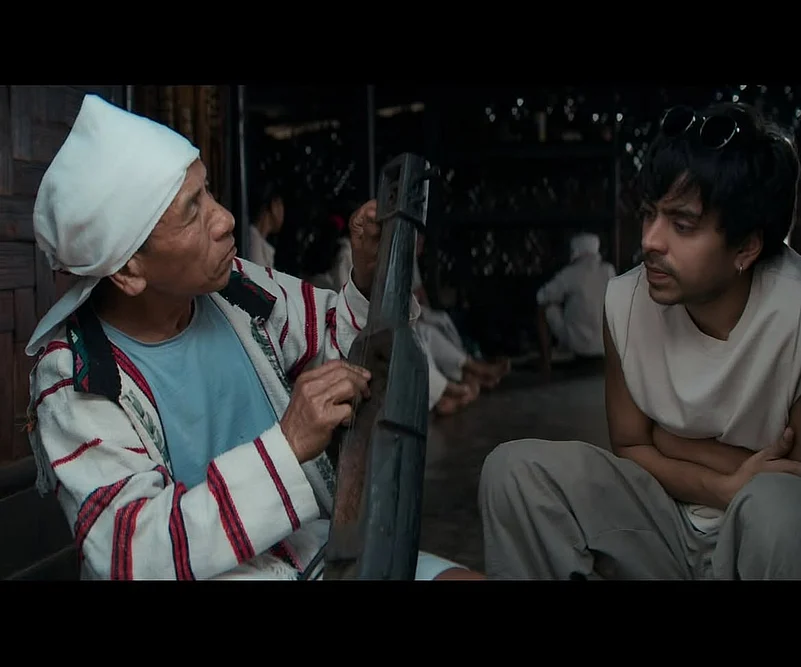
A new documentary series, “Voices of the Land: Tales of Northeast,” uses that journey as its starting point. Premiering on JioHotstar on July 3, the six-part series follows actor Adarsh Gourav through Nagaland, Meghalaya, Assam, and Arunachal Pradesh, meeting indigenous communities whose stories are rooted as deeply as the land they inhabit. Rather than charting a conventional travel circuit, the series pauses at places where culture, ecology and everyday life remain closely intertwined.


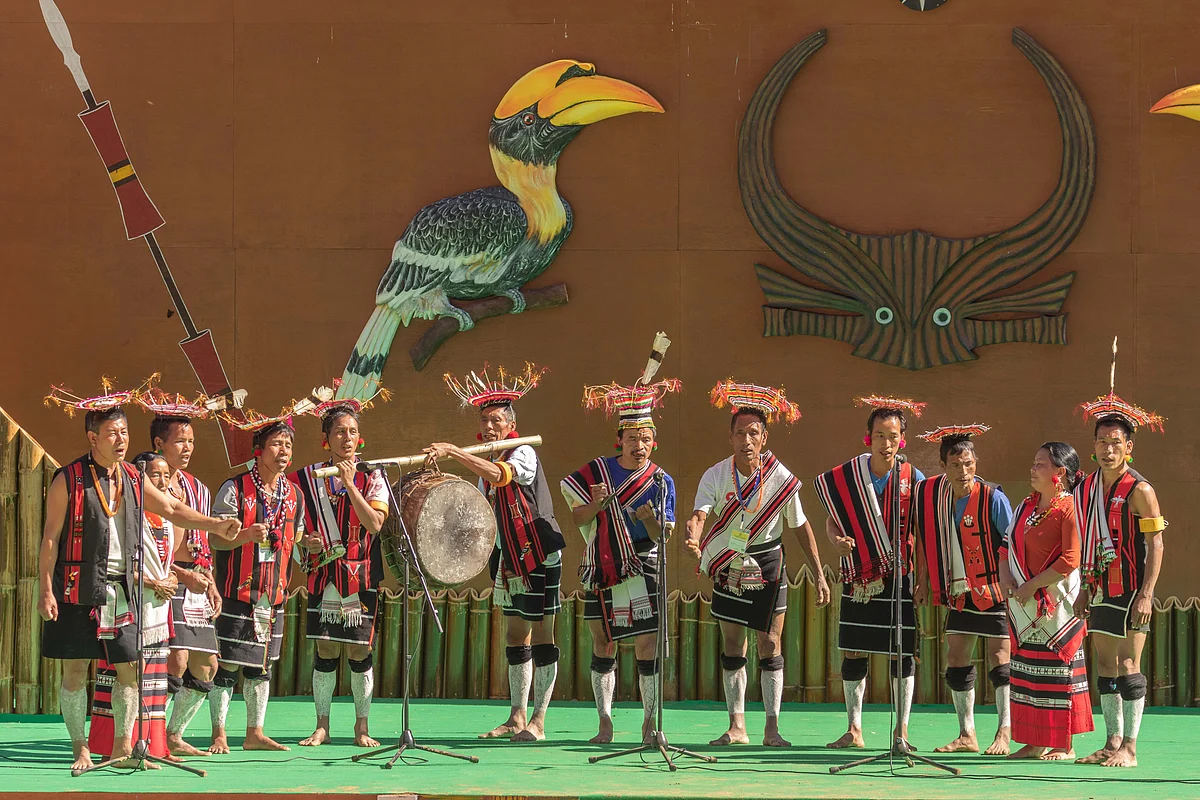
The route begins in Nagaland with the Angami community. Around Kohima, hills rise in layers of terraced paddy fields, the result of generations of cultivation on steep terrain. While visitors often associate the state with the annual Hornbill Festival, village life tells a local story—one shaped by farming traditions, community forests and an understanding of the land that has evolved over centuries.
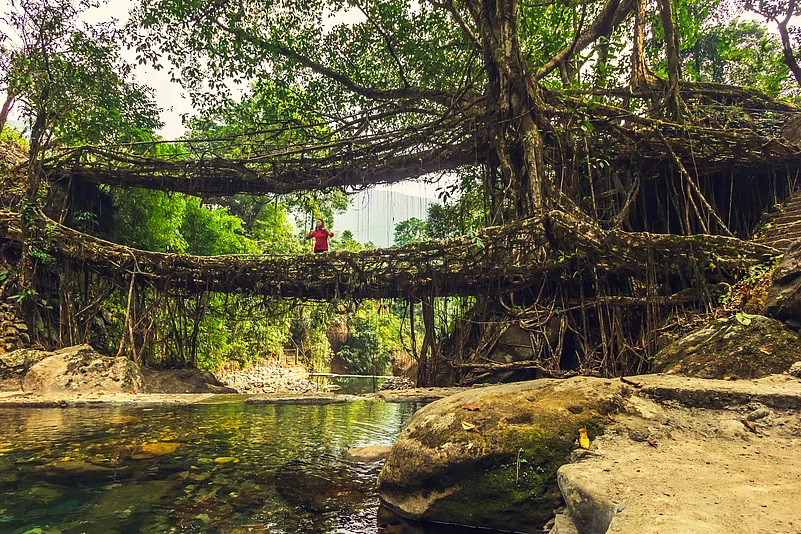
Cross into Meghalaya, and the landscape changes almost immediately. Rain-fed forests replace terraced slopes, streams cut through deep valleys and living root bridges emerge from the hillsides. Built by training the aerial roots of rubber trees across rivers, these bridges have become one of the state's defining images. Less visible, but just as enduring, are the Khasi communities that continue to maintain them, alongside sacred groves protected through customary traditions long before conservation entered policy conversations.
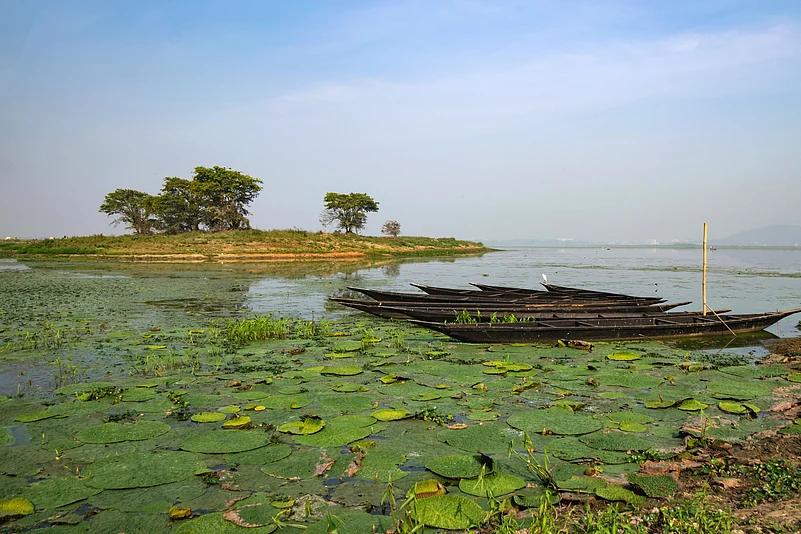
The documentary then follows the Brahmaputra into Assam, where the river has shaped settlements for generations. Among the Mising community, homes stand on stilts above flood-prone ground, a practical response to the river's annual rise. Weaving remains central to daily life, while farming and fishing continue to follow seasonal rhythms. The series also introduces viewers to the Biate, one of the smaller indigenous communities of the region, broadening the narrative beyond destinations that already feature on tourism maps.
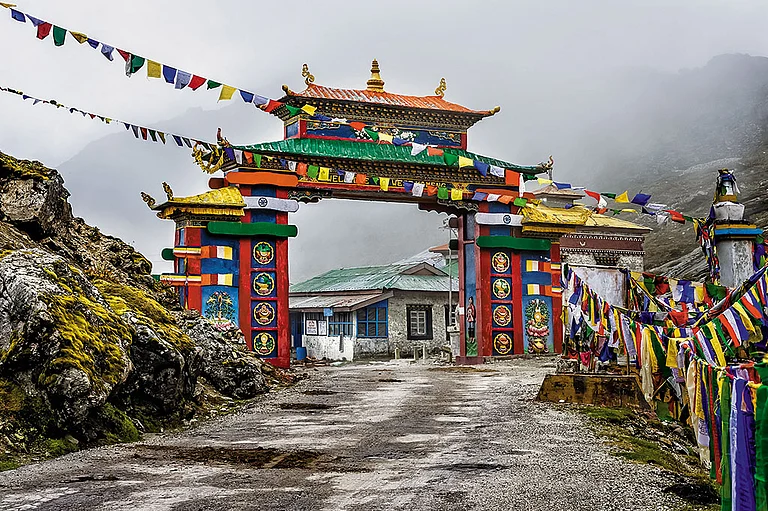
The final leg leads into Arunachal Pradesh, home to the Sherdukpen community. Mountain valleys, thick forests and high-altitude settlements form the backdrop here, reflecting a way of life where Buddhist influences exist alongside older indigenous traditions. By the time the series reaches Arunachal, one thing has become evident: the Northeast is not a single cultural landscape but a mosaic of languages, customs, cuisines and histories.
Travelling Beyond The Viewpoint
For years, the Northeast has been marketed through its scenery—rolling hills, waterfalls, tea gardens and winding roads. Those landscapes remain part of its appeal, but they reveal only part of the story. Across the region, travellers are increasingly seeking experiences that go beyond viewpoints: village walks, homestays, local food, weaving traditions and conversations with the communities that have long called these places home.
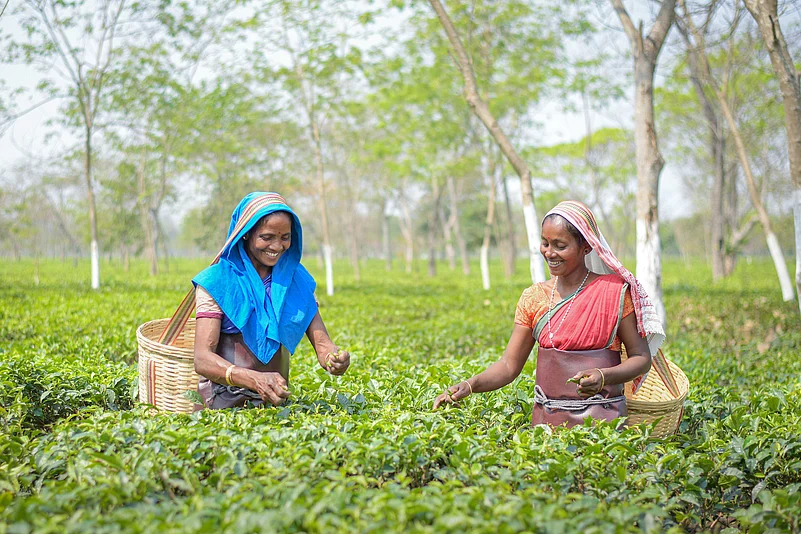
It is this shift that "Voices of the Land" taps into. Music, folklore, craftsmanship and oral histories become the threads that connect one destination to the next, presenting the region through the people who continue to preserve its cultural memory.
“Travel, at its inherent best, is transformative, offering the opportunity to discover, experience and reshape our worldview,” said Siddhartha Butalia, chief marketing officer, Air India Express. He added that the series is intended to invite audiences beyond familiar itineraries and towards communities that have lived in harmony with their environment for generations.
For Gourav, the journey became one of listening as much as travelling.
“Voices of the Land has been one of the most eye-opening experiences for me as a storyteller,” he said. “I was constantly in awe of the knowledge these communities had of their surroundings; the plants, the animals, and everything the land provides.”
A Different Way Of Seeing The Northeast
Produced by Edstead in collaboration with Dentsu Sports and Entertainment, the series forms part of Air India Express' Tales of India initiative, which has previously spotlighted Indian art, literature and regional heritage. This time, the focus shifts firmly to the Northeast and the communities that continue to define it.
The release also coincides with growing connectivity across the region. Air India Express now operates more than 290 weekly flights from Agartala, Dibrugarh, Dimapur, Guwahati and Imphal, with new direct services from Guwahati to Abu Dhabi and Dubai scheduled to begin this August.
For travellers, that means the Northeast is becoming easier to reach. "Voices of the Land" suggests that the more rewarding journey begins after arrival—in villages where terraces climb hillsides, rivers dictate the seasons and traditions continue to be passed down through stories, songs and everyday life. Instead of asking viewers to collect destinations, the series encourages them to spend a little longer understanding the people who have shaped them.
FAQs
Q1. What is Voices of the Land: Tales of Northeast about?
The six-part docuseries follows actor Adarsh Gourav across Assam, Meghalaya, Nagaland and Arunachal Pradesh, exploring Indigenous communities, traditions, ecology and local ways of life.
Q2. Which states are featured in Voices of the Land?
The series travels through Nagaland, Meghalaya, Assam and Arunachal Pradesh, highlighting their landscapes, cultures and Indigenous communities.
Q3. Where can I watch Voices of the Land: Tales of Northeast?
The docuseries streams on JioHotstar as part of the Tales of India initiative.
Q4. Why is Northeast India becoming popular for cultural tourism?
Travellers are increasingly seeking authentic experiences such as village stays, local cuisine, weaving traditions, folklore and interactions with Indigenous communities, beyond conventional sightseeing.
Q5. Which Indigenous communities are featured in the documentary?
The series features the Angami of Nagaland, Khasi of Meghalaya, Mising and Biate communities of Assam, and the Sherdukpen community of Arunachal Pradesh.