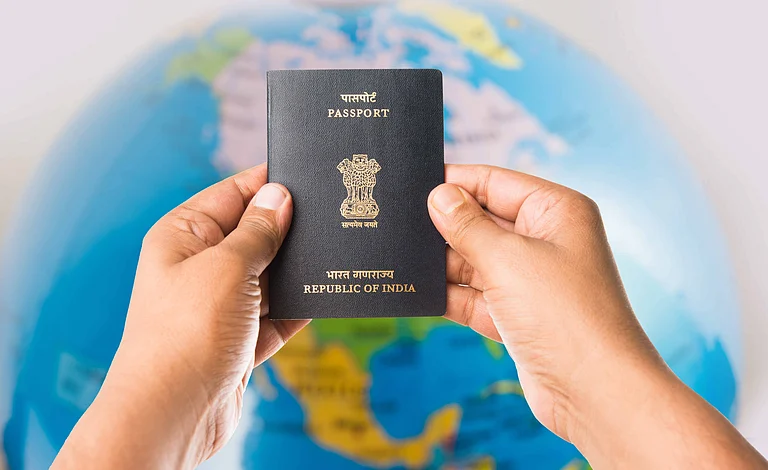
Spontaneous international trips have become increasingly popular among Indian travellers over the past few years. A long weekend often meant booking the cheapest flight, packing a bag and relying on visa-free entry or a visa on arrival to keep the process simple. In 2026, however, that flexibility has become a little more limited.
A handful of countries that were once relatively easy for Indian passport holders to visit have revised their entry requirements, adding extra paperwork before travellers can board their flights. Iran, Bolivia, Cape Verde, and Nicaragua have all updated their immigration policies, ending either visa-free access or visa-on-arrival facilities for Indian citizens.
The changes come at a time when India's passport ranking has also slipped slightly. According to the latest Henley Passport Index, India now ranks 81st globally, down from 75th in the February 2026 edition. Indian passport holders currently enjoy visa-free or visa-on-arrival access to 55 destinations, compared to 57 a year ago. While the difference may seem small, it serves as a reminder that visa policies continue to evolve, sometimes with little notice.
Iran Reconsiders Access
Iran was once among the easiest destinations in West Asia for Indian travellers. Its mix of Persian architecture, bustling bazaars, desert landscapes, and historic cities made it an appealing choice for those looking beyond the region's more familiar tourist hotspots. Until recently, ordinary Indian passport holders could enter the country without obtaining a visa before departure.
That arrangement changed in November 2025, when Iran suspended its visa-waiver programme for ordinary Indian passport holders. Indians travelling to the country must now secure the necessary visa before their journey. The move marks the end of one of the more convenient entry options available to Indian travellers visiting the region.
The revised policy means anyone planning to explore destinations such as Tehran, Isfahan, Shiraz, or Yazd should factor visa processing into their travel plans rather than relying on previous entry rules.
Digital Before Departure
Bolivia has also introduced a significant change by replacing its visa-on-arrival facility with a mandatory e-visa system. Earlier, Indian travellers could complete formalities after landing. Now, the process must begin before leaving India.
Applicants are required to submit their documents online, complete the necessary application and wait for approval before travelling. While the system remains entirely digital, it removes the flexibility that visa-on-arrival once offered, particularly for travellers planning last-minute itineraries across South America.
Cape Verde has implemented a similar shift. Known for its volcanic landscapes, Atlantic beaches and slower pace of travel, the island nation officially discontinued its visa-on-arrival facility from January 1, 2026, for citizens of 96 countries, including India.
Previously, Indian visitors could register through Cape Verde's EASE platform, pay the applicable fees and receive their tourist visa upon arrival. Under the revised rules, travellers must now obtain a valid visa before boarding their flight. Reaching the country without the required documentation could result in being denied entry.
Changing Travel Landscape
.jpg?w=801&auto=format%2Ccompress&fit=max&format=webp&dpr=1.0)

Nicaragua has introduced perhaps the most notable immigration update among the four countries. From February 16, 2026, Indian passport holders are no longer eligible for a visa on arrival. Instead, they have been moved into the country's Consulted Visa, or Category C, system.
Under the new regulations, travellers must first obtain prior authorisation from Nicaragua's immigration authorities before departure. Airlines may refuse boarding if this approval has not been granted, making advance planning essential for anyone intending to visit the Central American nation.
Taken together, these changes highlight how quickly international visa regulations can shift. A destination that offered seamless entry last year may now require weeks of advance preparation, additional documentation or government approval before travel.
For Indian travellers, the update reinforces the importance of checking the latest immigration requirements before booking flights or accommodation, even for destinations visited previously. Official embassy websites and government immigration portals remain the most reliable sources for the latest information.
While the number of countries offering visa-free or visa-on-arrival access to Indian passport holders has dipped marginally this year, the broader picture continues to evolve. Several destinations continue to expand travel opportunities for Indians, while others are reassessing their entry policies in response to changing immigration frameworks and border management strategies. For travellers, staying informed has become just as important as planning the itinerary itself.
FAQs
1. Which countries changed visa rules for Indian travellers in 2026?
Iran, Bolivia, Cape Verde, and Nicaragua have revised their entry requirements for Indian passport holders.
2. Does Iran still offer visa-free entry to Indians?
No. Iran suspended its visa-waiver programme for ordinary Indian passport holders in November 2025.
3. Can Indians still get a visa on arrival in Bolivia?
No. Bolivia has replaced its visa-on-arrival facility with an e-visa system that requires approval before travel.
4. What changed for travellers visiting Cape Verde and Nicaragua?
Cape Verde has ended visa on arrival, while Nicaragua now requires prior immigration authorisation before departure.
5. How many destinations currently offer visa-free or visa-on-arrival access to Indians?
According to the latest Henley Passport Index, Indian passport holders have visa-free or visa-on-arrival access to 55 destinations.