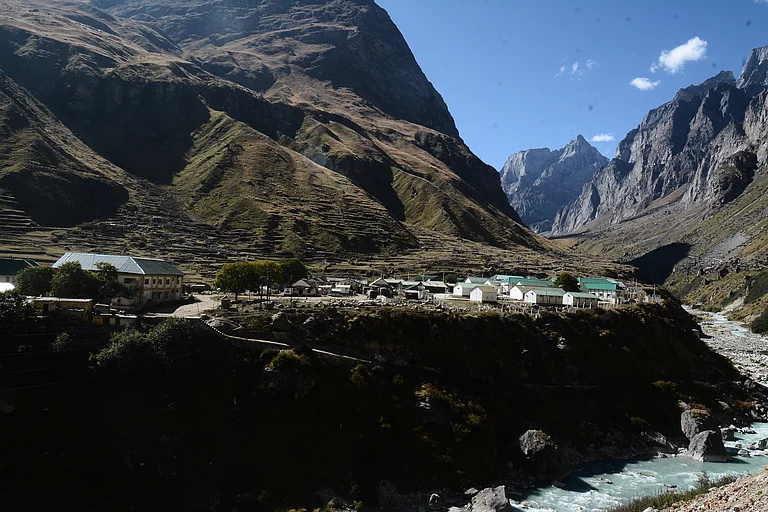
For centuries, the high passes of the Himalayas were not just difficult mountain crossings. They were routes of exchange, carrying wool, salt, textiles, religious objects and everyday goods between communities separated by altitude, weather and political borders. On Saturday, August 1, two such corridors returned to activity after a six-year pause, as border trade between India and China resumed through Nathu La in Sikkim and Shipki La in Himachal Pradesh.
The reopening marks the revival of two historic trade links associated with the ancient Silk Route. While these are not tourist-access announcements, they are significant for the border regions where trade, movement, and local economies are closely tied to geography. Both routes had remained closed since 2020, first because of the COVID-19 pandemic and later amid strained India-China border relations.
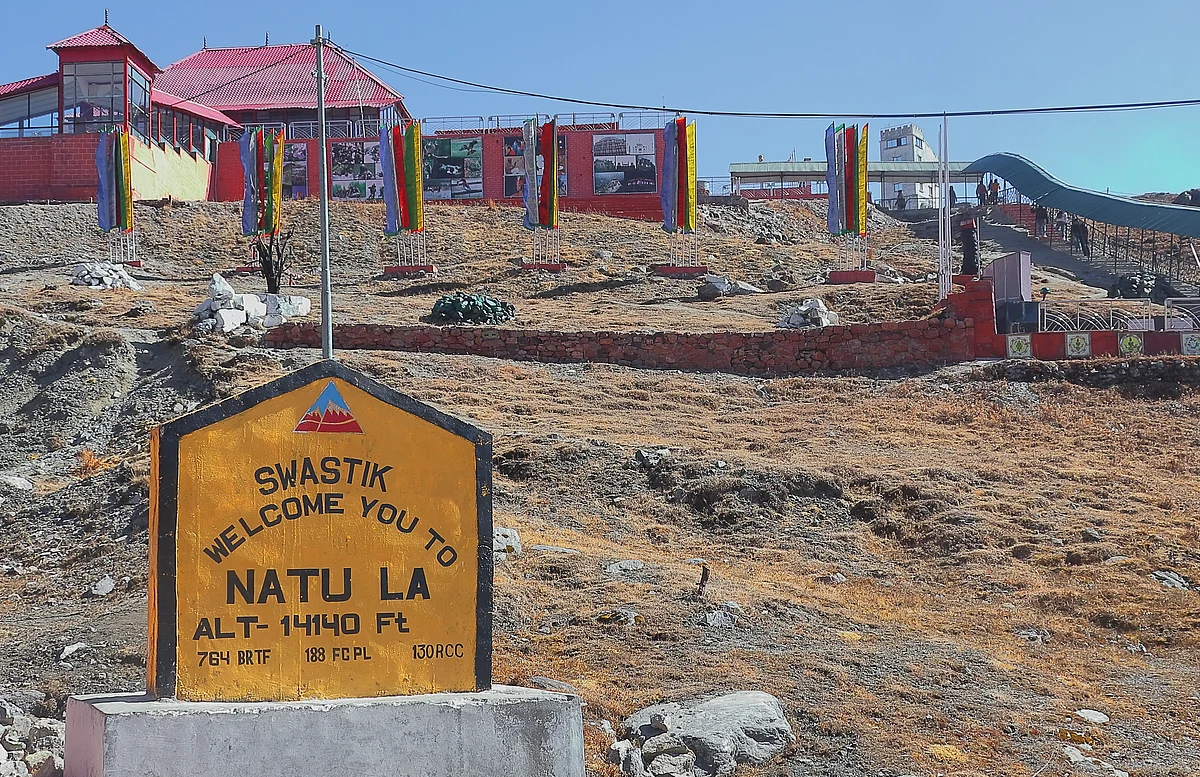
At Nathu La, in East Sikkim, a formal reopening ceremony was held with officials from both countries present. The pass, located at over 14,000 feet, is one of the designated border trade points between India and China. Seasonal trade through this route traditionally operates from May to November, though this year’s reopening comes in August after the long suspension.
Sikkim’s Commerce and Industries Department Secretary Karma D Youtso said trade through Nathu La will be conducted from Monday to Thursday until November under the existing bilateral trade protocol. According to officials, 38 registered traders have been issued trade passes this year. Around 36 notified items will be traded through the route, including handicrafts, handloom products, traditional religious articles, ready-made garments and other approved goods.
Security arrangements have also been put in place for the reopening. The Indo-Tibetan Border Police will enforce the Standard Operating Procedure at Nathu La, with additional personnel deployed there. Officials said a women’s platoon has also been deployed there for the first time.
Trade Returns To Nathu La In Sikkim
Nathu La has long held strategic and economic importance. Border trade through the pass had resumed in 2006 after being shut for more than four decades following the 1962 India-China war. Its reopening then was seen as an important step in restoring one of the old commercial corridors between India and Tibet.
The latest resumption is expected to bring activity back to traders, transport operators and others who depend on seasonal trade in Sikkim’s border belt. Trade bodies and government officials have welcomed the move, saying it could help restore livelihoods and support economic activity in the region.
.jpg?w=512&auto=format%2Ccompress&fit=max&format=webp&dpr=1.0?rect=0,4,512,319)

For Sikkim’s border communities, the return of trade is more than a procedural development. Officials described it as the revival of a historic economic lifeline that had remained silent for almost six years. The route connects local enterprises with a wider cross-border trading system, but within a controlled framework of registered traders, approved goods and official protocols.
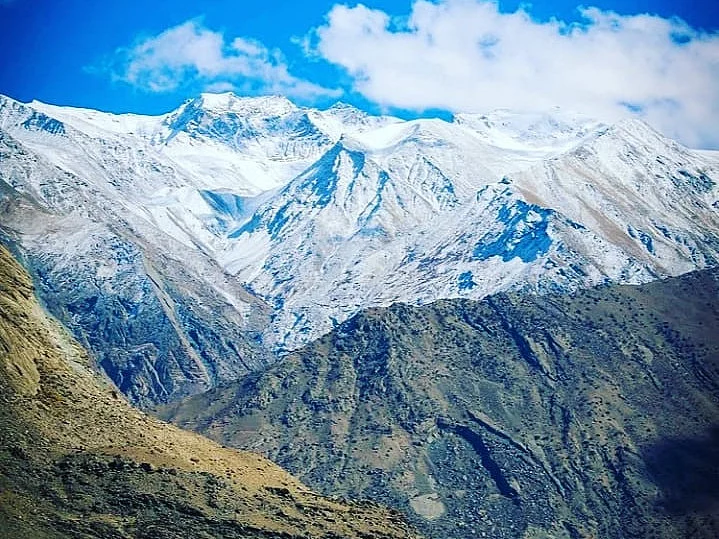
On the same day, cross-border trade also resumed through Shipki La in Himachal Pradesh’s Kinnaur district. The pass is another old route associated with trade between India and Tibet. Revenue and Horticulture Minister Jagat Singh Negi flagged off 16 traders after presenting them with traditional Khataks, or ceremonial scarves, before they proceeded with their horses towards Shipki village in Tibet.
Unlike the Nathu La trade format, the Shipki La exchange will be conducted on a barter basis. The traders will have to return after completing trade in the Tibetan region within 72 hours. Preliminary information indicates that traders will be able to exchange 72 types of items on the Indian side and 30 on the other side.
Shipki La Reopens In Himachal’s Kinnaur
The reopening of Shipki La was accompanied by the inauguration of a modern trade mart in the border Gram Panchayat of Namgya. The Chhuppan Trade Mart, built in the Shipki La area at a cost of Rs 1.70 crore, has been constructed to facilitate border trade.
Negi urged local traders to follow the import-export regulations prescribed by the Union Ministry of Commerce, with emphasis on transparency and compliance. He also responded to a request from the Traders’ Association to expand the list of permitted import-export goods, saying the proposal would be placed before Chief Minister Sukhvinder Singh Sukhu so that it could be conveyed to the Chinese government through the Ministry of External Affairs after following due procedure.
In Kinnaur’s border areas, the resumption of trade is expected to support commercial activity and employment and self-employment opportunities for local youth. Negi said the state government is working to develop border areas, with attention to road connectivity, communication networks, and basic amenities in remote regions.
The simultaneous reopening of Nathu La and Shipki La brings attention back to the Himalayas as a zone of historic exchange, not only as a landscape of tourism and pilgrimage. For travellers, these names often evoke mountain roads, high passes and remote settlements. For local communities, they are also working on corridors linked to income, supply chains and long-standing patterns of interaction.
The resumption of trade does not, by itself, change visitor access, and both routes remain governed by border protocols. But it does mark a significant return of activity to two strategically important Himalayan passes after six years. In Sikkim and Himachal Pradesh, the reopening is expected to be watched for what it means for local livelihoods, border infrastructure and the continued relevance of old Silk Route links in the present day.
(With inputs from PTI)
FAQs
Why was India-China border trade suspended?
Border trade through Nathu La and Shipki La was suspended in 2020 due to the COVID-19 pandemic and later because of tensions along the India-China border.
Which border passes have reopened for India-China trade?
Trade has resumed through Nathu La in Sikkim and Shipki La in Himachal Pradesh.
What goods can be traded through Nathu La?
Around 36 approved items, including handicrafts, handloom products, religious articles and ready-made garments, can be traded under the bilateral protocol.
Is the reopening of Nathu La and Shipki La for tourists?
No. The reopening is for regulated border trade only. Tourist access continues to be governed by existing border regulations.
Why are Nathu La and Shipki La important?
Both passes are historic Himalayan trade routes associated with the ancient Silk Route and play a significant role in supporting local livelihoods, border economies and India-China trade.