For months, nights in Bahraich have been restless. Doors are bolted early, children are kept indoors, and farmers hesitate before stepping into their fields at dawn. That tension peaked on January 1 when the Uttar Pradesh Forest Department shot dead a male leopard in the Kaiserganj forest range, following repeated reports of attacks and sightings near villages. The incident has once again thrown a harsh spotlight on the growing human-wildlife conflict in eastern Uttar Pradesh.
Leopard Shot During High-Risk Operation In Kaiserganj Range
The leopard was killed in Bhirgupurwa village under the Kaiserganj forest range of Bahraich district after forest officials failed to capture the animal alive. According to the forest department, the big cat had been moving dangerously close to human settlements and was believed to be responsible for multiple attacks and panic in nearby villages.
The operation was carried out by a special rescue team that had been tracking the animal for days. Cage traps were laid, and attempts were made to tranquilise the leopard, but officials said the situation escalated when the animal charged, leaving the team with no option but to open fire to prevent further loss of life.


This was not an isolated incident. In December alone, leopards reportedly attacked several people in Bahraich. In Chanengii village, two villagers were injured in a sudden attack. Days later, three more people were mauled in the Rupaidiha area, including a teenage girl. These encounters deepened fear among residents who live close to forested tracts.
A District Under Siege From Wild Predators
Bahraich has been grappling with an unusual surge in wildlife intrusions. While the latest incident involved a leopard, the district has also witnessed a series of wolf attacks over the past year. Several children have been injured and some killed in attacks attributed to wolves, particularly in villages located near open fields and forest fringes.
The rising number of incidents prompted Uttar Pradesh chief minister Yogi Adityanath to visit the affected areas in September last year. Following his visit, district authorities were instructed to act firmly. The directive was clear: dangerous animals should be captured and relocated, but if they pose an immediate threat and cannot be restrained, they must be neutralised.

Since then, forest officials say at least nine wolves have been killed in operations across Bahraich. The killing of the leopard now adds another layer to an already volatile situation, blurring the line between wildlife protection and human safety.
What Happens Next For Bahraich And Beyond
In the aftermath of the shooting, the forest department has stepped up surveillance across the district. Drone monitoring, night patrols, thermal cameras and additional cage traps are being deployed in vulnerable villages. Special teams have been brought in from neighbouring districts to assist local staff who have been working under intense pressure.
Administratively, the crisis has already had consequences. The divisional forest officer of Bahraich was transferred recently, reflecting official acknowledgement that existing measures failed to prevent repeated attacks.
Beyond Bahraich, the incident fits into a larger national pattern. Across India, shrinking forest habitats, growing human populations and easy access to livestock are pushing predators like leopards and wolves into human spaces. States such as Uttarakhand and Maharashtra have also seen shoot orders issued in extreme cases when animals turn aggressive, and relocation efforts fail.
Wildlife experts warn that while shooting a problem animal may bring immediate relief, it is not a long-term solution. They stress the need for better habitat management, early warning systems, compensation for victims, community awareness and faster response teams trained in safe capture techniques.
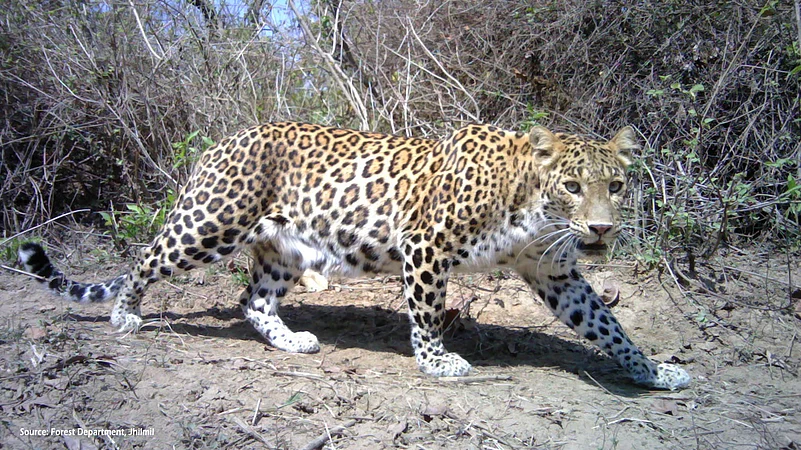
For now, Bahraich remains on edge. The death of the leopard has eased fear in some villages, but it has also raised uncomfortable questions. How many more such encounters will it take before coexistence strategies catch up with reality? And can human lives be protected without permanently silencing the wilderness that still surrounds them?
(With inputs from various sources.)
FAQs
1. Why was the leopard shot dead in Bahraich?
The leopard was shot after repeated sightings and attacks near villages, and failed attempts by forest officials to capture it alive during a high-risk operation.
2. Where did the incident take place in Bahraich?
The shooting occurred in Bhirgupurwa village under the Kaiserganj forest range in Bahraich district, Uttar Pradesh.
3. Has Bahraich seen other wildlife attacks recently?
Yes. The district has reported multiple leopard attacks in recent months and a series of deadly wolf attacks, especially in villages near forest fringes.
4. What measures are authorities taking after the leopard killing?
Forest officials have increased surveillance using drones, night patrols, thermal cameras, cage traps and special rescue teams across vulnerable villages.
5. Is shooting wild animals a common practice in India?
Shoot orders are considered a last resort in India and are issued only when animals pose an immediate threat and relocation or tranquilisation efforts fail.