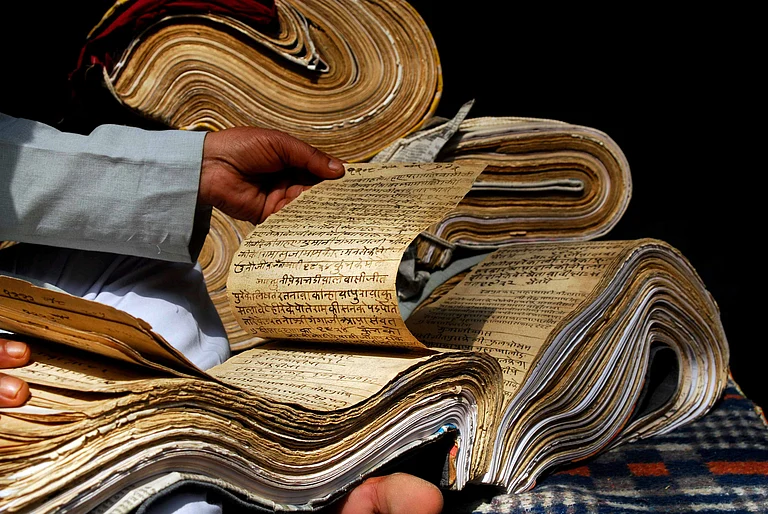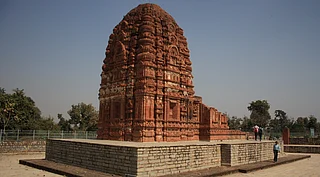


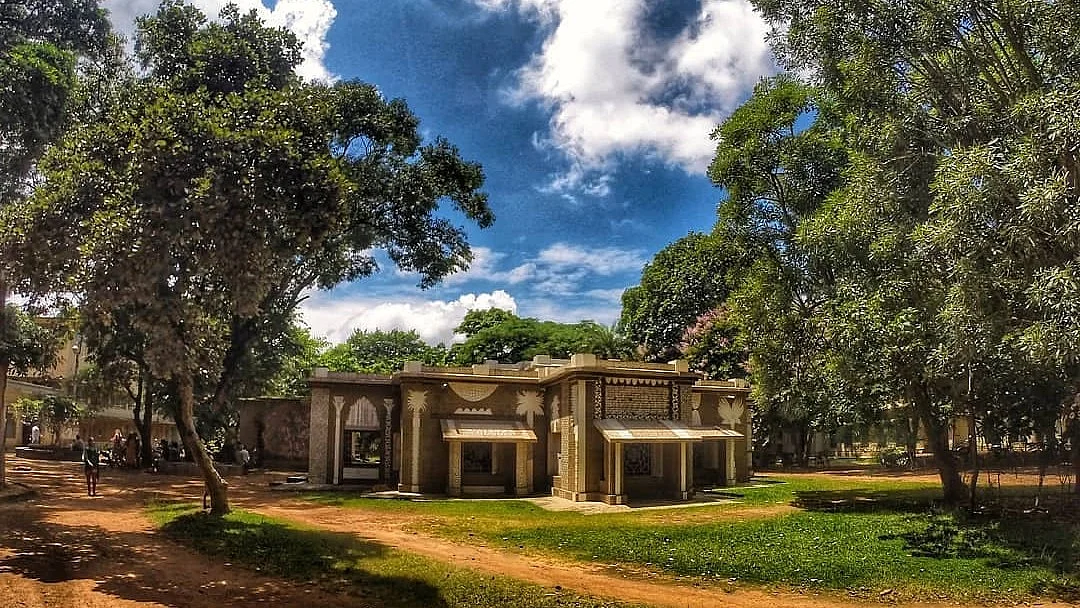
A rare manuscript of the Mahabharata, preserved for more than three centuries at Visva-Bharati University in Santiniketan, West Bengal, has received international recognition. The 307-year-old palm-leaf document, which records a section of the Sanskrit epic, has been included in UNESCO’s Memory of the World Asia-Pacific Regional Register, bringing renewed attention to India's manuscript heritage and the university's archival collections.
A 221-Folio Manuscript Documenting Karna Parva
The manuscript comprises 221 folios made from palm leaves and was transcribed by Haricharan Sharma. It documents the "Karna Parva," the eighth of the Mahabharata's 18 books, which centres on Karna's role in the Kurukshetra war and his final confrontation with Arjuna.
Traditionally attributed to sage Vyasa, the Mahabharata is one of the longest epic poems in the world. Its 18 parvas cover the conflict between the Pandavas and Kauravas, exploring themes of duty, morality, politics, kinship and warfare.
The "Karna Parva" narrates the events following the death of Dronacharya, when Karna assumes command of the Kaurava army. It includes the much-discussed battle between Karna and Arjuna, which culminates in Karna's death.
The manuscript is preserved at Visva-Bharati's Lipika Manuscript Repository in Santiniketan. The repository houses a substantial collection of rare literary and historical works in Sanskrit, Bengali, Tamil, Arabic, Persian, and other languages. It also contains manuscripts of other sections of the Mahabharata.


What Is UNESCO's Memory Of The World Programme?
Launched in 1992, UNESCO's Memory of the World programme seeks to identify, preserve and improve access to documentary heritage of significant historical, cultural and scientific value. It recognises archival collections, manuscripts, historical records and other documentary material that contribute to the collective memory of humanity.
The programme operates through international, regional and national registers. The Memory of the World Asia-Pacific Regional Register, administered by the Memory of the World Committee for Asia and the Pacific (MOWCAP), recognises documentary heritage of regional significance.
The latest inscriptions were announced following MOWCAP's 11th General Meeting in Jakarta, Indonesia, held from November 3 to 5, 2026. UNESCO announced 21 new additions to the Asia-Pacific Regional Register for the 2025-26 nomination cycle, taking its total to 106 entries from 29 countries.
Visva-Bharati Steps Up Manuscript Preservation
The UNESCO recognition has also drawn attention to efforts to safeguard the university's extensive manuscript collection. Visva-Bharati has begun digitising thousands of rare manuscripts preserved at Lipika under the Centre's Gyan Bharatam Mission, with guidance from an expert team from the Asiatic Society.
Announced in the Union Budget 2025-26, the Gyan Bharatam Mission aims to survey, document, conserve and digitise India's manuscript heritage. The initiative seeks to make rare texts more accessible to researchers while protecting fragile originals from deterioration.
According to the university spokesperson, the recognition is expected to bring greater attention to the Lipika repository and encourage further research into the historical and literary works housed there. Some of its other holdings, including works on dramaturgy, have also received UNESCO recognition.
FAQs
1. Which Mahabharata manuscript at Visva-Bharati has reportedly received UNESCO recognition?
A 307-year-old palm-leaf manuscript documenting the Karna Parva of the Mahabharata has reportedly been included in UNESCO's Memory of the World Asia-Pacific Regional Register. It comprises 221 folios and was transcribed by Haricharan Sharma.
2. Where is the 307-year-old Mahabharata manuscript preserved?
The manuscript is preserved at the Lipika Manuscript Repository at Visva-Bharati University in Santiniketan, West Bengal.
3. What is the Karna Parva of the Mahabharata?
The Karna Parva is the eighth of the Mahabharata's 18 books. It narrates Karna's appointment as commander of the Kaurava army following Dronacharya's death and his final battle with Arjuna during the Kurukshetra war.
4. What is UNESCO's Memory of the World Asia-Pacific Regional Register?
Administered by the Memory of the World Committee for Asia and the Pacific (MOWCAP), the register recognises significant documentary heritage from the region, including manuscripts, historical records and archival collections.
5. What is the Gyan Bharatam Mission?
Announced in the Union Budget 2025-26, the Gyan Bharatam Mission is a government initiative to survey, document, conserve and digitise India's manuscript heritage, making rare historical and literary works more accessible to researchers.