Amid rising tensions between Iran, the US and Israel, the United Arab Emirates’ leading airlines—Emirates, Etihad Airways, flydubai and Air Arabia—have scaled back operations, running only a limited number of flights while most scheduled services remain suspended. The decision reflects ongoing safety and operational measures as instability in the region continues to affect major Gulf aviation hubs.
Focus On Limited Flights, Essential Travel
Major airports in the UAE, including Dubai, Abu Dhabi, Sharjah and Ras Al Khaimah, have started handling a small number of flights as operations gradually resume. Most regular services remain suspended due to ongoing airspace disruptions across the Middle East.
Most of the flights that are running at present are aimed at repatriating residents, moving essential cargo and transporting passengers with confirmed tickets. Airport officials and airlines have advised travellers to check the status of their flights before setting out, as schedules could change at short notice. This limited service is intended to keep vital connections open while prioritising safety, amid the continuing tensions in the region.

Two Airports Resume Flights
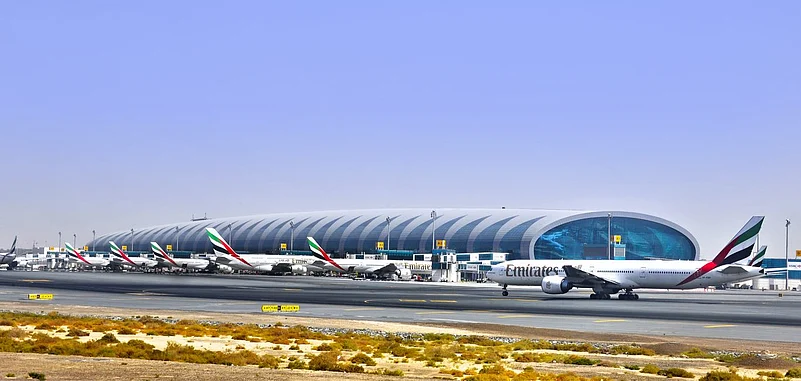
Limited operations have resumed at Dubai’s two main airports, Dubai International (DXB) and Al Maktoum International (DWC), as well as at Abu Dhabi’s Zayed International Airport, Sharjah International Airport and Ras Al Khaimah International Airport. Most regular services remain suspended, and only a small number of flights are being handled at present.
Only passengers with confirmed tickets are being allowed into the airports at the moment. Travellers are being asked to get there early and expect longer waits at check-in and security. Flight times could change without warning, so it is important to keep checking for updates. These measures are designed to keep essential flights running while keeping passengers safe during the ongoing tensions in the region.
Airlines Scale Back

Emirates has halted all scheduled flights to and from Dubai until the evening of March 7. Only a small number of flights are operating, mainly for passengers who already had confirmed bookings. Travellers are being asked to check emails and the Emirates website for updates before heading to the airport.
Abu Dhabi’s national carrier, Etihad Airways, has stopped all scheduled flights to and from Abu Dhabi until 6 am on 6 March. Between 4 and 5 March, the airline will run repositioning, cargo and repatriation flights, subject to safety approval. Passengers should only travel if they have a confirmed booking issued in the past few days.
Both airlines have said schedules could change at short notice. Passengers are advised to allow extra time at airports. These measures aim to keep essential flights running while keeping safety the top priority amid regional tensions.
flydubai And Qatar Airways Adjust Flight Schedules
flydubai has started operating a limited number of flights to certain destinations from March 5. Many routes are still disrupted because aircraft have to avoid restricted airspace. Some journeys may take longer than usual as planes are being rerouted. Travellers are advised to check the airline’s website before heading to the airport and to allow extra time for delays.
Qatar Airways has paused most of its flights while Qatari airspace remains closed. The airline plans to restart services once the authorities confirm it is safe to do so. In the meantime, a small number of relief flights are running from 5 March to help passengers stranded abroad. These include routes from Muscat to London, Berlin, Copenhagen, Madrid, Rome and Amsterdam, and a flight from Riyadh to Frankfurt.
Air Arabia has also suspended flights to and from the UAE until 3 pm on 9 March. A limited number of services continue under safety approvals, and passengers with confirmed bookings are advised to check updates before travelling. Passengers affected by cancellations can choose a free date change within 15 days, receive a credit voucher, or request a full refund.
Indian Carriers Run Special Repatriation Flights

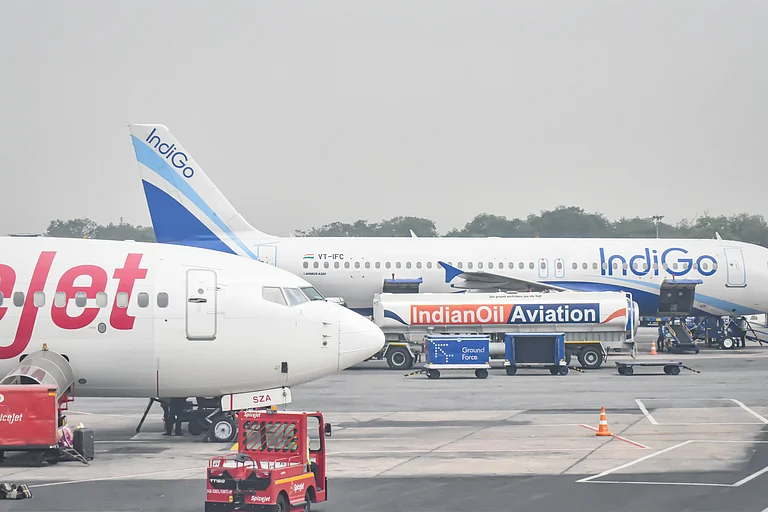
Indian airlines have stepped in with special services to assist stranded passengers and support repatriation efforts. IndiGo has resumed flights to destinations including Athens, Muscat, Jeddah and Madinah, while also increasing services for travellers heading to the UAE.
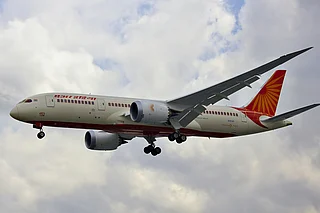
Air India has added extra capacity on long-haul routes such as Toronto, Frankfurt and Paris to accommodate displaced passengers. Meanwhile, Air India Express is running special flights between 5 and 7 March connecting Ras Al Khaimah with Delhi, Kochi and Mumbai.
Passengers are advised to check their flight status carefully and only travel if they hold confirmed bookings. Airlines have urged travellers to allow additional time at airports, as schedules may change due to ongoing airspace restrictions.
(With inputs from various sources.)
FAQs
Are flights currently operating as usual?
Most scheduled flights in the UAE and surrounding regions remain suspended. Only essential or limited services are running.
Which airlines are operating flights?
Emirates, Etihad, flydubai, Air Arabia, Qatar Airways, IndiGo, Air India and Air India Express are operating selected routes.
Should I travel to the airport?
Only if you hold a confirmed booking. Airlines will contact affected passengers directly with updated flight information.
What are the options for cancelled flights?
Passengers may be eligible for a free date change, a credit voucher, or a full refund, depending on the airline.
Could flight schedules change again?
Yes. All flights remain subject to delays or rerouting due to airspace restrictions and safety considerations. Travellers should check updates regularly.