

Planning a holiday often starts with one big question: When should you go? More travellers are beginning to rethink the answer. According to Advantage Travel Partnership 2025 data, there has been a major shift toward shoulder season travel, with bookings surging up to 20 per cent due to overtourism, climate avoidance, and rising costs during the traditional peak season.
Peak season still promises sunny days, festivals and a lively atmosphere, but it also comes with packed attractions, long queues, and premium prices. And as travellers contend with higher prices, hotter temperatures and larger crowds during peak months, many are choosing quieter travel windows that offer better value.
So, which season is right for you? Here's everything you need to know.
What Is Peak Season?
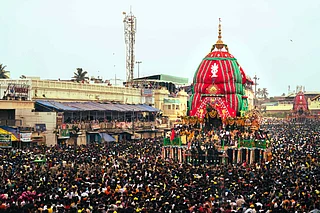
Peak season is the time of year when a destination receives the highest number of visitors. It usually coincides with school holidays, major festivals, long weekends or the best weather conditions.
For example, Europe's peak travel season runs from June to August, while Japan sees its biggest crowds during the cherry blossom season in spring and autumn foliage season. Beach destinations across Southeast Asia are often busiest during the dry winter months.
Travelling during peak season means attractions, restaurants and hotels are operating at full capacity. You'll also find plenty of cultural events, seasonal festivals and activities that may not be available during other times of the year.
The downside is that you can expect higher prices, crowded attractions, and the need to book flights and hotels well in advance.
What Is Shoulder Season?


Shoulder season is the period between the peak season and the off-season. Depending on the destination, it may last a few weeks or several months.
For much of Europe, shoulder season typically falls between March and April and again from September to October. Other destinations have different shoulder seasons depending on their weather and tourism patterns.
Think of it as the "sweet" spot. The weather is often still pleasant, attractions remain open, but the crowds begin to thin out and prices become more affordable.
The Benefits Of Travelling During Shoulder Season
Shoulder season has quietly become an insider favourite, and it's easy to see why. The biggest advantage is value. Flights and hotels generally become cheaper once the rush begins to slow. Industry estimates suggest airfare during shoulder season can be around 23 per cent lower than during peak travel periods, while hotels often introduce discounts and special packages to attract visitors. Some of the key benefits include:
Lower Prices
Airfares, hotels, and even some tours become significantly more affordable compared to peak months. If you're travelling on a budget, shoulder season offers excellent value.
Fewer Crowds
Whether it's strolling through Paris, exploring Kyoto's temples, or relaxing on a Mediterranean beach, fewer tourists make every experience more enjoyable. You also get better opportunities for photographs without large crowds filling every frame.
Comfortable Weather
Shoulder season often brings mild temperatures that are perfect for walking tours, hiking, and sightseeing. Instead of battling scorching summer heat or freezing winter temperatures, you get pleasant weather that's easier to enjoy throughout the day.
A More Authentic Experience
With fewer visitors around, destinations often feel more local. Markets are quieter, restaurants have shorter waiting times and locals generally have more time to interact with visitors. Many travellers find these moments become the most memorable part of their trip. Travelling during shoulder season also helps support local businesses outside the busiest tourism months, spreading economic benefits across a longer period.
Why Peak Season Still Makes Sense

Despite the crowds and higher costs, peak season remains the best time for certain kinds of holidays. If you're travelling specifically for an event or seasonal experience, there's often no substitute.
Want to see Japan's cherry blossoms? Experience Carnival in Brazil? Visit Germany's Christmas markets? Or witness the lavender fields in Provence at their peak? Those experiences are tied to specific times of the year.
Peak season also guarantees that attractions, tours and transport services are running at full capacity. Families with school-going children may also find peak season to be the only practical time to travel because of school holidays.
Are There Any Drawbacks To Shoulder Season?
While shoulder season offers plenty of advantages, it isn't perfect. Weather can sometimes be less predictable. Depending on the destination, you may encounter occasional rain or cooler evenings.
Some seasonal attractions, restaurants or beach clubs may operate on reduced hours or close altogether once the busiest months end. However, in many destinations these drawbacks are relatively minor compared to the savings and quieter experience.
The Bottom Line
There is no universally "best" time to travel; it depends entirely on the kind of holiday you're looking for. If your dream trip revolves around a once-in-a-lifetime festival, perfect beach weather or iconic seasonal events, peak season is worth the extra expense.
But if you're looking for better value, quieter attractions and a more relaxed pace, shoulder season is hard to beat. It's no surprise that more travellers are shifting their holidays beyond the busiest months. You still get beautiful weather in many destinations, spend less on your trip and often return home feeling like you've experienced a place rather than simply visited it.
Sometimes, travelling just before or after everyone else does turns out to be the smartest travel decision of all.
FAQs
Q1. What is shoulder season in travel?
Shoulder season is the period between a destination's peak and off-season. It usually offers pleasant weather, fewer crowds and lower prices than peak travel months.
Q2. What is peak season?
Peak season is when a destination receives the highest number of visitors, often during school holidays, festivals or periods with the best weather.
Q3. Is shoulder season cheaper than peak season?
Yes. Flights, hotels and tours are generally more affordable during shoulder season, making it a popular choice for budget-conscious travellers.
Q4. What are the benefits of travelling during shoulder season?
Travellers can enjoy lower prices, fewer crowds, milder weather, easier access to attractions and a more authentic local experience.
Q5. When should I choose peak season instead?
Peak season is ideal if you're travelling for seasonal events such as Japan's cherry blossoms, Germany's Christmas markets, Brazil's Carnival or other festivals and experiences that are only available at specific times of the year.