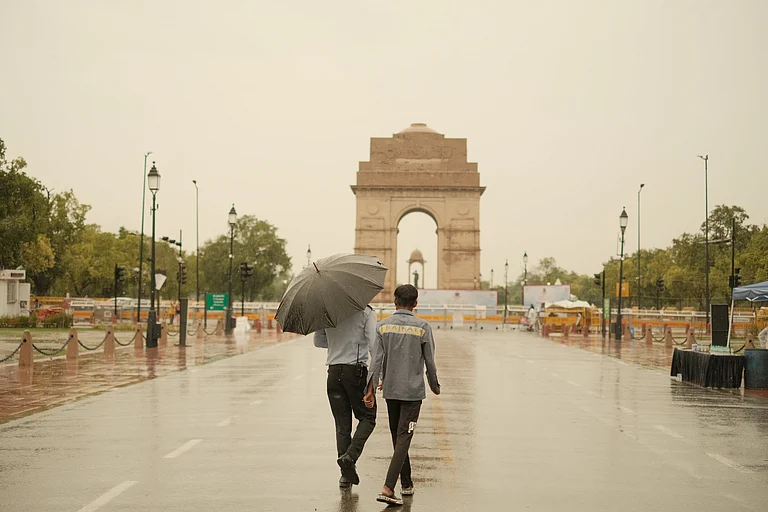


India is bracing for a challenging weather season. Large parts of the country are already sweltering under intense heat, with temperatures soaring between 40 degrees Celsius and 46 degrees Celsius and heatwave alerts in place across several states. The India Meteorological Department (IMD) has warned that scorching conditions are likely to intensify this week, with cities such as Delhi expected to reach 45 degrees Celsius, and parts of Uttar Pradesh already recording highs above 46 degrees Celsius.
At the same time, a potentially strong El Niño is developing in the Pacific Ocean, raising concerns about a weaker-than-normal monsoon. For travellers planning monsoon holidays, hill-station escapes, or late-summer vacations, this could mean hotter weather, uneven rainfall, and possible disruptions to flights and road travel.
The IMD's forecast for 2026, released on April 13, suggested that the southwest monsoon is likely to be below normal, with rainfall expected to reach 92 per cent of the long-period average. While that may not sound dramatic, it can lead to prolonged dry spells in some parts of India and sudden heavy downpours in others. According to the latest reports, the monsoon is expected to arrive over Kerala around May 26, but El Niño's influence is likely to intensify by July and could affect rainfall during the crucial second half of the season.
What Is El Niño And Why Does It Matter?


El Niño is a climate phenomenon caused by warming waters in the equatorial Pacific Ocean. This warming disrupts global weather systems and often weakens India’s monsoon winds.
For India, that usually means less rainfall across large parts of the country, especially in central, western, and northern regions. It can also lead to hotter-than-normal temperatures, drought-like conditions, and water shortages. At the same time, some coastal areas of southern India, particularly Chennai and parts of Tamil Nadu and Andhra Pradesh, may experience intense rainfall and urban flooding.
Climate experts say the Pacific Ocean is warming rapidly, and El Niño is expected to fully develop by June or July, with its strongest impact likely during August and September.
Which Destinations Could See The Biggest Impact?
The most significant weather impacts are likely to be felt across Punjab, Haryana, Rajasthan, Madhya Pradesh, Maharashtra, Chhattisgarh, and parts of Uttar Pradesh, where temperatures are already hovering between 40 degrees Celsius and 46 degrees Celsius, and rainfall may become patchy later in the monsoon if El Niño develops.
For travellers, this means some of India’s popular monsoon destinations may look drier and hotter than usual. Cities such as Udaipur, Jodhpur, Indore, and Nagpur may not offer the lush landscapes and dramatic waterfalls many visitors expect during the rainy season.
Meanwhile, coastal destinations such as Chennai and Visakhapatnam could receive short bursts of intense rainfall, increasing the risk of waterlogging and transport disruptions.
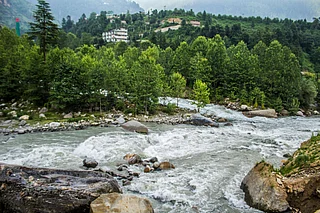
Regions such as Ladakh, much of Northeast India and parts of the Himalayan belt are expected to be less affected by rainfall deficits, making them relatively safer options for travellers seeking more stable weather.
How Could This Affect Your Travel Plans?

The biggest challenge this year is unpredictability. Monsoon holidays are usually booked for cool temperatures, misty landscapes, and overflowing waterfalls. But in an El Niño year, some destinations may remain unusually dry, while others could experience sudden cloudbursts.
Road trips to waterfall destinations in Maharashtra and Madhya Pradesh may be less rewarding if the rains are delayed. At the same time, city breaks in southern coastal regions may require extra flexibility due to flooding and possible flight delays.
Travellers heading out in May and June should also prepare for intense heat. The IMD has issued orange and yellow alerts across several states, with temperatures expected to touch 45 degrees Celsius in Delhi and 46 degrees Celsius in parts of Uttar Pradesh. Outdoor sightseeing during the afternoon can be exhausting and potentially unsafe, especially for children, older adults and people with health conditions.
Best Travel Tips For Booking During An El Niño Year
If you are planning to travel between June and September, book flights and hotels with flexible cancellation or date-change policies. Travel insurance that covers weather-related delays can also be useful.
Monitor updated forecasts from the IMD, particularly as the monsoon advances into Kerala around May 26 and El Niño’s influence becomes clearer in July and August.
If your trip depends on waterfalls, wildlife safaris or lush green scenery, it may be wise to wait until closer to your departure date before finalising plans.
(With inputs from various sources)
1. What is El Niño?
El Niño is a climate pattern caused by unusually warm waters in the equatorial Pacific Ocean, which can disrupt weather systems worldwide and often weaken India’s monsoon.
2. How will El Niño affect India’s monsoon in 2026?
The IMD has forecast monsoon rainfall at 92% of the long-period average, indicating below-normal rainfall and greater variability in weather patterns.
3. Which destinations may be most affected?
Parts of Rajasthan, Maharashtra, Madhya Pradesh, Uttar Pradesh, and central India may experience hotter and drier conditions, while some southern coastal cities could see intense short bursts of rain.
4. Should travellers avoid monsoon vacations?
Not necessarily, but travellers should book flexible tickets, consider travel insurance, and monitor updated weather forecasts before departure.
5. What are the safest destinations during an El Niño year?
Regions such as Ladakh, parts of Northeast India, and some Himalayan destinations may experience more stable weather conditions.