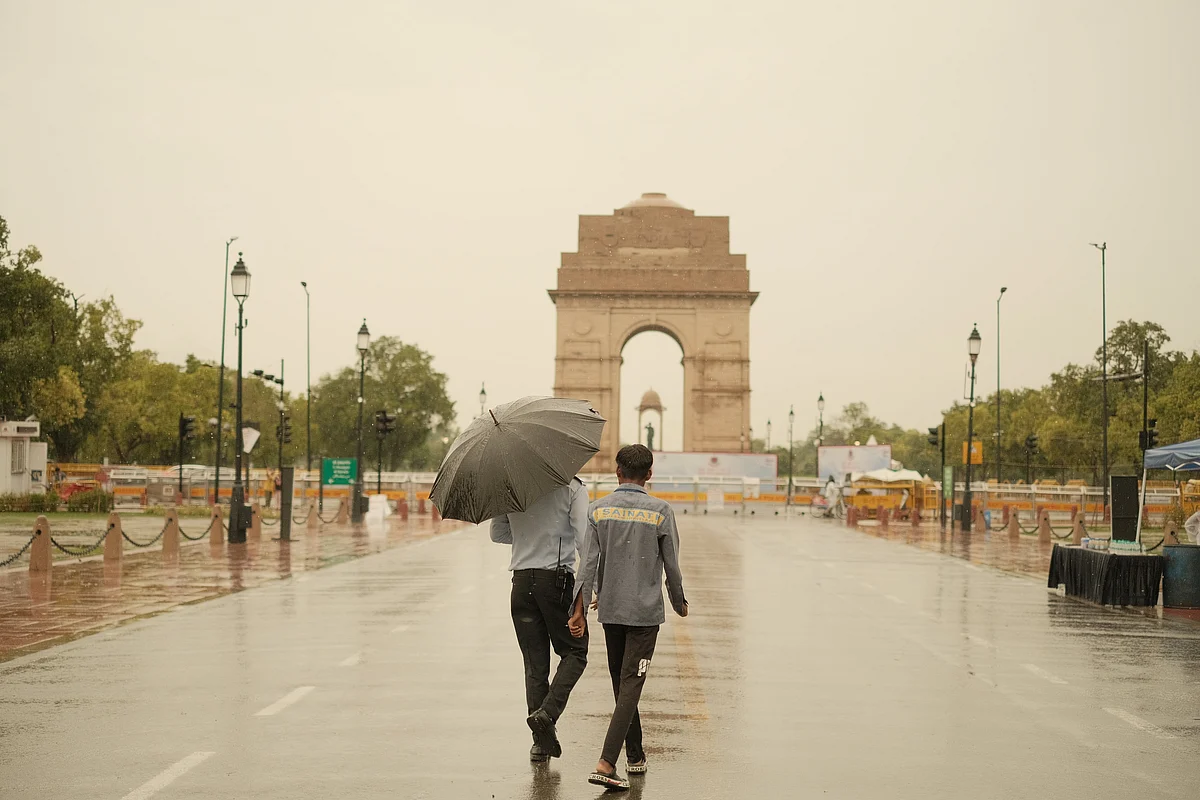
Delhi’s weather has shifted gears yet again. After a stretch of cold nights and relatively calm days, the India Meteorological Department has issued a yellow alert for the national capital, warning of rain, thundershowers, lightning and gusty winds. Cloud cover has already begun to build, signalling an unsettled phase that is likely to stay for the next couple of days.
According to the IMD, Delhi and the surrounding NCR region are likely to witness light to moderate rainfall accompanied by thundershowers. Lightning activity and strong surface winds, reaching speeds of around 30 to 40 kilometres per hour, are also expected during this period. Skies are predicted to remain largely overcast, with intermittent spells of rain breaking the monotony of winter sunshine. Daytime temperatures may dip slightly, while nights are expected to stay cool.
The yellow alert is an advisory that urges residents to stay cautious, particularly during outdoor travel, as weather conditions may change quickly over short periods of time.
Western Disturbance Behind The Sudden Weather Change
The wet spell that Delhi is currently experiencing is being caused by a weather system known as "western disturbances." These systems originate in the Mediterranean region and move eastward towards north India, thereby having an impact on winter and spring weather patterns throughout this region. As this western disturbance moves closer to Delhi, you can expect to see moisture being introduced into the atmosphere, creating instability with regard to the atmosphere.
In Delhi’s case, the interaction between this incoming moisture and the lingering cold air from recent chilly nights has created favourable conditions for cloud formation. The result is rain, occasional thunderstorms and gusty winds that mark a temporary shift from the dry winter pattern.
According to predictions made by the IMD, the weather in Delhi will remain unsettled for another 24-48 hours. A yellow alert will remain in effect through approximately the middle of the upcoming week, with Tuesday and Wednesday providing the highest possibility of rain and thunderstorms. Although heavy rain is not likely, people in Delhi can expect some sporadic showers and extended periods of cloudiness, with conditions gradually improving at the end of the week. With the clouds and rain in Delhi, you will observe a slight drop in daily temperatures, which will provide some short-term relief from the recent frigid extremes; however, expect nights to continue to be cool rather than downright cold.
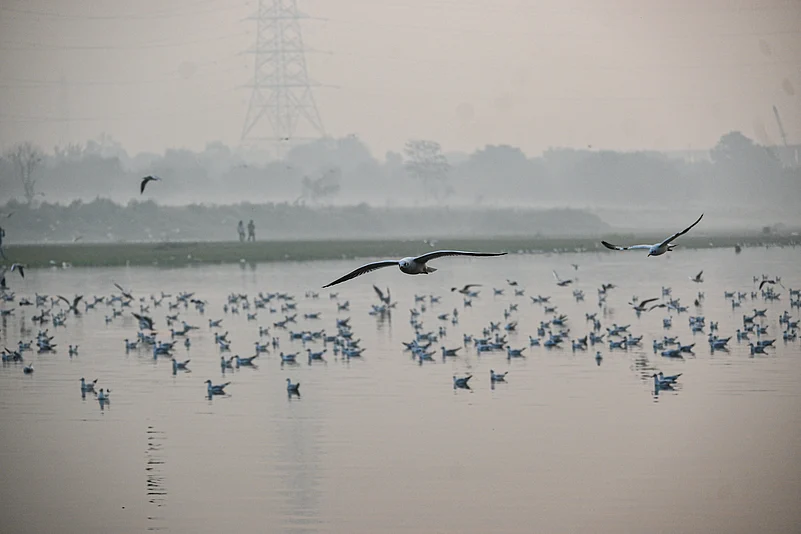

Rain is expected to provide a temporary benefit with respect to air quality in Delhi by washing away dust and other pollutants from the air; however, the continued benefit of improved air quality is dependent upon the extent of rainfall provided over the next several days.
What Delhiites Should Be Prepared For
For people stepping out over the next couple of days, the weather may feel unpredictable. Sudden showers, lightning and windy conditions could affect road conditions, especially during peak morning and evening travel hours. Carrying rain protection and planning for minor delays is advised.
As the western disturbance moves away, Delhi is expected to return to more stable winter conditions, but until then, the capital remains under watch as clouds and rain make their presence felt.
(With inputs from various sources.)
FAQs
1. Why has the IMD issued a yellow alert for Delhi?
The IMD has issued a yellow alert due to the likelihood of rain, thundershowers, lightning and gusty winds caused by an active western disturbance.
2. How long will the rain continue in Delhi?
According to IMD predictions, Delhi’s unsettled weather is expected to last for another 24 to 48 hours, with conditions improving gradually later in the week.
3. What is a western disturbance?
A western disturbance is a weather system that originates in the Mediterranean region and affects north India during winter and spring, often bringing rain and thunderstorms.
4. Will the rain lower temperatures in Delhi?
Yes, cloud cover and rainfall may cause a slight dip in daytime temperatures, while nights are expected to remain cool.
5. Can rain improve Delhi’s air quality?
Rain can temporarily improve air quality by washing away dust and pollutants, though the extent of improvement depends on the amount and duration of rainfall.