

Brace yourself for another round of place-name changes by the ruling government, this time in Rajasthan. The state has announced new names for three historic destinations, a move officials say is intended to better preserve and reflect the region’s cultural heritage. On Friday, Chief Minister Bhajanlal Sharma announced in the Rajasthan Assembly that the state’s well-known hill station, Mount Abu, will be renamed “Abu Raj.”
Other Places
Speaking during his reply to the debate on the Finance and Appropriation Bill, 2026, he also said that Jahazpur would be renamed Yagyapur and Kaman would become Kamvan. Emphasising the government’s focus on heritage alongside development, Sharma told legislators that the changes were being made in view of public sentiment. He later reiterated the announcement on his official account on X.
In a post on X, he elaborated on the decision, writing (translated), “Taking into account public sesentiments, our government has decided to rename three major places in Rajasthan. Mount Abu will now be known as 'Abu Raj,' Jahazpur as 'Yajnapur,' and Kaman as 'Kamvan.'"
About Mt Abu
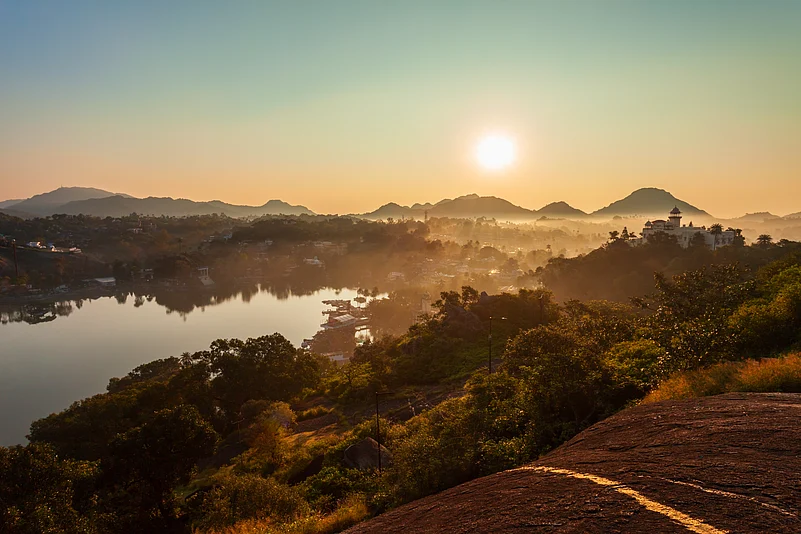

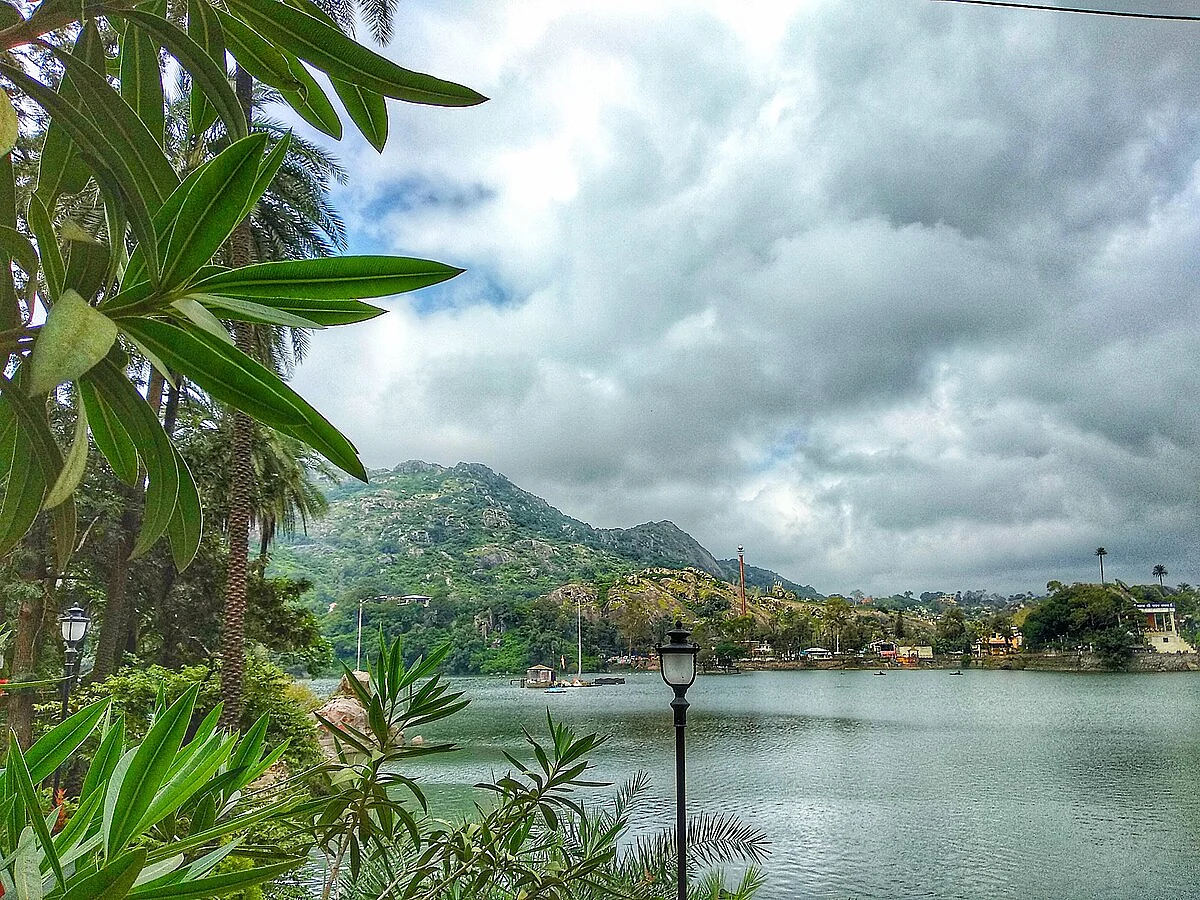
Mount Abu is Rajasthan’s only hill station, a contrast to the state’s otherwise arid landscape. Perched at an elevation of around 1,220 metres, it has lush greenery, cool climate, and scenic water bodies.
Key Places to Visit:
Nakki Lake: A popular spot for boating, surrounded by hills and a bustling local market.
Dilwara Jain Temples: Renowned for their exquisite marble craftsmanship dating back to the 11th–13th centuries.
Guru Shikhar: The highest point in the Aravallis, offering sweeping panoramic views.
Toad Rock: A unique natural rock formation resembling a toad, located near Nakki Lake.
Sunset Point: A favourite vantage point to watch the sun dip below the plains.
Beyond its attractions, Mount Abu’s cool climate and forested terrain make it a refreshing retreat, ideal for nature walks and quiet escapes from the desert heat.
About Kaman
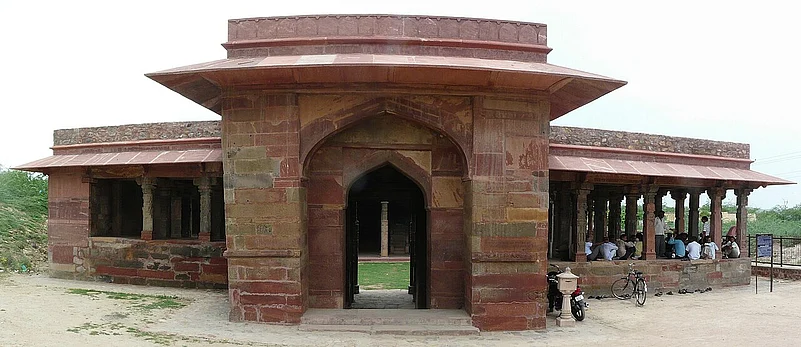
Kaman (or Kamaban) is a historical town located in the Deeg district of Rajasthan, known as part of the Braj region where Krishna spent his childhood. Often called "Adi Vrindavan," it is a major pilgrimage site famous for its Chaurasi Khamba temple and for being part of the sacred 84-kos Braj yatra.
Key Places to Visit:
Chaurasi Khamba Temple: An ancient site featuring 84 pillars.
Kameshwar Mahadev Temple: One of the four main guardians of Braj Dham.
Vimal Kund & Other Kunds: Sacred water bodies found in the town.
Govindaji Temple: A significant temple in the town.
Nearby Attractions: Including Kamyavan, it is located near other sites of the Braj circuit like Deeg Palace, Govardhan Hill, and Radha Kund.
Kaman is known for its religious importance, particularly during the month of Bhadra, and features many shrines, including those of the Vallabh Sampraday.
About Jahazpur

Located in the Bhilwara district, Jahazpur is a historic town known for its rich architectural heritage, religious significance, and scenic surroundings. Around 90 kilometres from Bhilwara, it has long attracted visitors for its hilltop fort, ancient temples, and enduring cultural legacy.
Key Places to Visit:
Jahazpur Fort: Perched on a hill, the fort features imposing ramparts, bastions, and a deep defensive ditch. It is believed to have been originally built by Samprati, a grandson of Ashoka, and later reconstructed by Rana Kumbha to safeguard the Mewar frontier.
Swastidham Temple: An important Jain pilgrimage site dedicated to Munisuvrata, drawing devotees from across the region.
Barah Deora Temple: A cluster of ancient Shiva temples, including one dedicated to Sarweshwar Nathji, known for their historical and religious value.
Gaibi Pir Mosque: Situated between the town and the fort, this site is associated with a revered Muslim saint and reflects the area’s syncretic heritage.
As a key tehsil headquarters with a population of over 20,000 (as per the 2011 census), Jahazpur continues to hold administrative importance while preserving its deep historical roots.
FAQs
Which places in Rajasthan are being renamed?
The state government has announced the renaming of three locations: Mount Abu to Abu Raj, Jahazpur to Yagyapur (also spelt Yajnapur), and Kama to Kamvan.
Who announced the changes?
The decision was announced by Chief Minister Bhajanlal Sharma during a session of the Rajasthan Assembly.
Why are these places being renamed?
According to the state government, the move is aimed at preserving cultural heritage and aligning place names with public sentiment.
When will the new names come into effect?
While the announcement has been made, official implementation timelines—such as updates to government records, signage, and maps—may take additional time.
Will the renaming affect tourism?
In the short term, travellers may see both old and new names used interchangeably. Popular destinations like Mount Abu are expected to remain major tourist hubs regardless of the name change.