Lufthansa Group is stepping up its India plans, with more capacity, larger aircraft and upgraded cabins, even as the conflict in West Asia continues to make flying more expensive and complicated.
The German airline, which is celebrating 100 years globally and nearly seven decades in India, says the country remains one of its fastest-growing long-haul markets. It is now looking to strengthen its network with new routes, premium products and closer partnerships.
Speaking in New Delhi, Kevin Markette, senior director of regional sales, South Asia, Lufthansa Group, said India has become one of the airline's most important markets outside Europe and will continue to play a key role in its expansion strategy.
India Continues To Drive Growth
According to Markette, India is now Lufthansa Group's second-largest intercontinental market by flight frequencies. The airline sees strong demand from both leisure and business travellers, giving it the confidence to keep investing in the market.
He said Lufthansa is expanding not only its passenger operations but also its cargo, technology and maintenance businesses in India, underlining the country's growing importance to the group.
Bigger Aircraft, More Seats

Rather than rushing into new cities, Lufthansa's immediate focus is to increase capacity on existing routes.
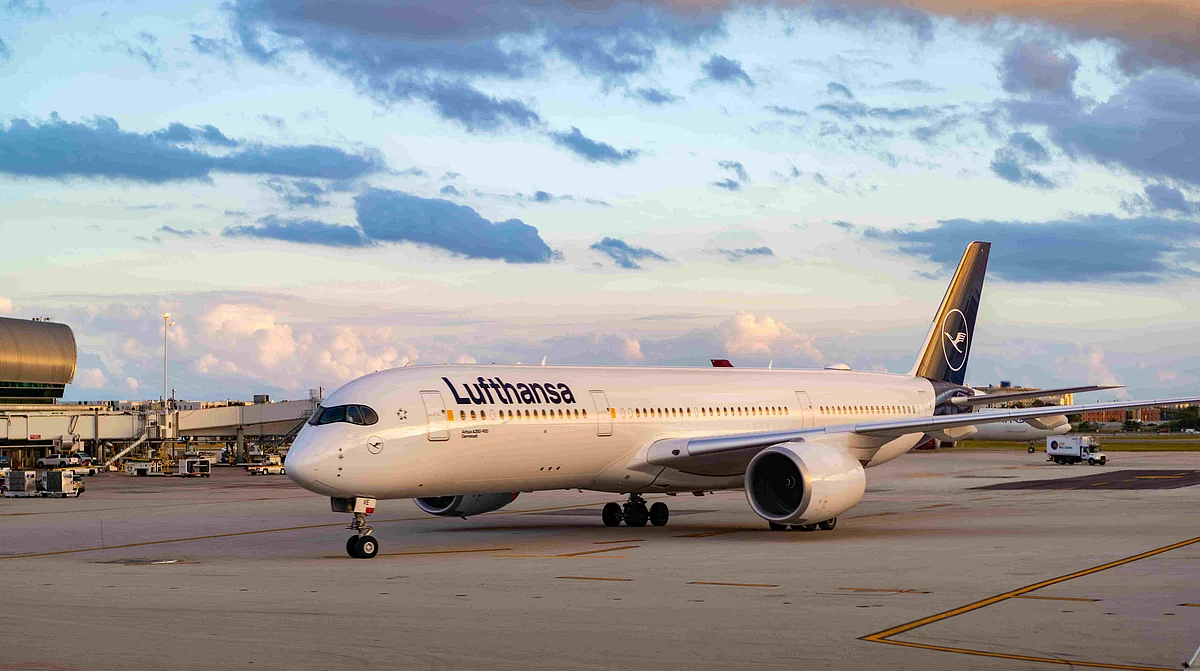
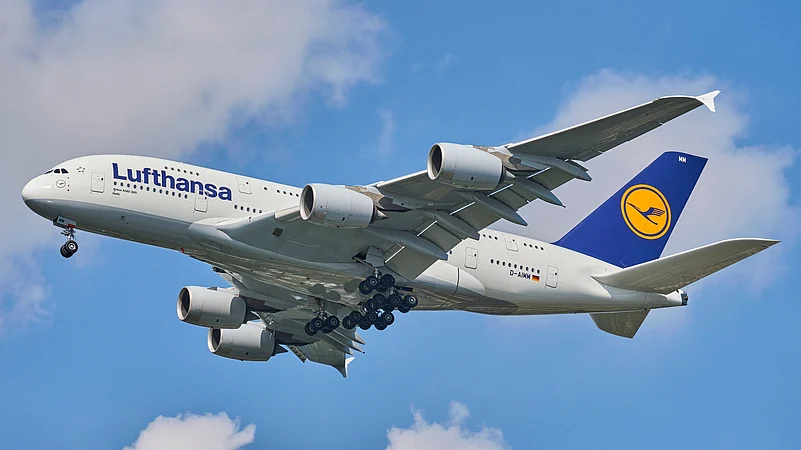
A major change will come on the Mumbai-Munich route, where the airline will replace the Airbus A350 with the much larger Airbus A380. The switch will increase capacity from roughly 270 seats to over 500 seats on every flight.
The airline will also launch a new Zurich-Bengaluru service later this year, with further expansion expected as demand continues to rise.
Markette said travel demand remains healthy across India's major metros. While cities such as Bengaluru and Hyderabad continue to be driven by corporate travel, Mumbai sees strong demand from both business and leisure travellers flying onwards to destinations across Europe and North America.
Premium Cabins Roll Out In India
In addition to adding seats, Lufthansa is upgrading the onboard experience.
The airline is investing €3 billion globally to modernise its products, including new cabins, aircraft, lounges and digital services.
As part of this programme, its new Allegris cabin will be introduced on Boeing 787-9 aircraft serving Delhi and Hyderabad, with Mumbai joining the rollout from August 8. Over time, passengers travelling between India and Germany will see the upgraded product across all cabin classes.
Air India Partnership Moves Ahead
Lufthansa is also continuing discussions with Air India following the memorandum of understanding signed earlier this year.
While Markette did not reveal further details, he said both airlines are working towards shared goals and that the partnership is progressing well.
West Asia Conflict Has Increased Costs
Although Lufthansa's India network has not been hit as hard as some of its Gulf operations, the conflict in West Asia continues to affect airline operations.
With several airspaces remaining restricted, airlines are taking longer routes, increasing flight times and fuel costs.
Markette said these disruptions have added to operating expenses, but described the impact on Lufthansa's India operations as manageable compared to other parts of the network.
Fuel Prices And SAF Remain In Focus
Fuel continues to be one of the airline industry's biggest cost pressures. Markette said Lufthansa uses fuel hedging to cushion some of the impact of rising oil prices, though higher fuel costs remain a challenge.
He also said Sustainable Aviation Fuel (SAF) will continue to play a central role in Lufthansa's goal of becoming carbon neutral by 2050. However, limited global production of SAF remains one of the biggest hurdles to scaling up its use despite increasing demand.
(With inputs from various sources)
FAQs
1. Why is Lufthansa expanding its operations in India?
Lufthansa says India has become its second-largest intercontinental market by flight frequencies, driven by growing demand for both business and leisure travel.
2. Which new routes is Lufthansa adding in India?
The airline will launch a Zurich–Bengaluru service at the end of October while also increasing capacity on existing routes with larger aircraft.
3. Which Lufthansa route will be operated by the Airbus A380?
Lufthansa will deploy the Airbus A380 on the Mumbai–Munich route, significantly increasing seat capacity compared to the Airbus A350.
4. What is Lufthansa Allegris?
Allegris is Lufthansa's next-generation long-haul cabin product featuring upgraded seating across First, Business, Premium Economy and Economy Class. It is being introduced on flights to Delhi, Hyderabad and Mumbai.
5. How has the West Asia conflict affected Lufthansa's India operations?
While Lufthansa's India operations have been less affected than its Gulf routes, ongoing airspace restrictions have resulted in longer flight times, higher fuel consumption and increased operating costs.