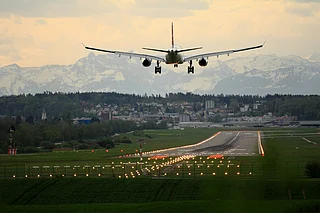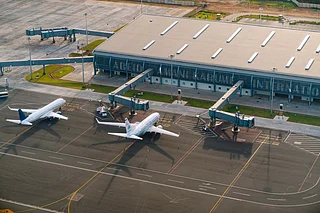
As the Union Budget 2026–27 heads to the Lok Sabha on February 1, 2026, India’s travel and tourism sector is bracing for transformative policy action. High expectations have led to an increasing demand for budgetary support from the travel industry to help stimulate new air routes and boost connectivity throughout the country to drive overall economic growth. The increased demand for regional air connections, investment in infrastructure, tourism initiatives, and an increased target for domestic and international passenger numbers should lead to a watershed moment within the travel industry as part of the 2026 budget.
One of the key focus areas from the travel industry, as we move towards Budget 2026, remains the Ude Desh ka Aam Nagrik (UDAN) regional air connectivity scheme. Launched as a programme to provide affordable and accessible air travel to smaller towns and cities, UDAN has created over 651 operational routes throughout India, which allows for better access to unserved and under-served airports while expanding overall access to aviation beyond just the larger metropolitan areas.
The initiatives announced in last year’s Budget and aviation policy have provided a foundation for the revamped UDAN scheme, along with plans to connect up to 120 new destinations by 2036, with an expected total of approximately 40 million new passengers as travel to and from the regions grows significantly. Industry professionals and government insiders expect that the 2026 budget will support these objectives with additional incentives, infrastructure spending, and potentially new policy initiatives that will support the development of newer routes serving remote, hilly, and Northeast areas of India.
New International Air Routes Bring India Closer To The World
The aviation business in India is expanding both nationally and internationally. There will be a significant step forward for religious tourism as Kushinagar Airport will have direct flights to Bangkok starting in February 2026, providing connectivity to the global market and allowing for easier international travel for religious pilgrims.
With increasing numbers of domestic and international airline passengers, India is establishing itself as a key link in global air transport. Since Indian airline companies expect massive increases in their fleets to meet rising demand, both Air India and Airbus predict that by 2036, Indian airlines will operate over 2,250 commercial jets, establishing India as a major aviation market.


Airports & Infrastructure: Key Drivers Of Travel Growth In India
Travel growth in India relies on building the physical infrastructure required for travel. Prior to the Budget 2026, state airports have been investing in upgrading facilities and expanding their networks. Recently, Uttar Pradesh won the 'Most Proactive State' Award in support of this effort in recognition of its rapid improvement of airports, runways, and the increase in the volume of airport passengers and cargo over the past few years.
As an example of how regional routes can potentially be sustained and expanded beyond primary hubs, state-level initiatives that provide financial support for operations, like the INR 31 crore per annum provided by Himachal Pradesh, will set a precedent for future state-level support of this type and provide a roadmap for potential donors at the national tourism level (i.e., tourism will be an ongoing emphasis of the national budget until 2026 and will support continued evolving of localised airport infrastructure; heliports/water/aerodrome facilities; and new landing areas at emerging tourism destinations).

Additionally, the shift from air travel to ground transportation will not only be a critical element of supporting the overall mission of improving tourist experience through efficient use of available resources, but it is expected that the rail system associated with Budget 2026 will be key to connecting domestic passenger travel with various tourism opportunities at destinations within the country. Tourism circuit models, such as the Vande Bharat and Bharat Gaurav trains for both cultural and religious type journeys, will become faster due to the development of Vande Bharat trains, which will make it more convenient for domestic visitors to travel from one destination to another due to the package opportunity that will be created at each terminal station along the entire journey.
Major road infrastructure projects, via Bharatmala and PM GatiShakti, are altering how travellers move between iconic and little-known destinations, decreasing journey times, and creating new weekend getaways and adventure tourism opportunities. These integrated transport improvements will be augmented by budget allocations that emphasise connectivity at both the national and state levels. The overall travel industry is on the verge of considerable growth for the foreseeable future. Industry projections forecast that travel and tourism in India will contribute INR 42 lakh crore to the economy by 2035, generating more than 6.4 crore work opportunities due to increased domestic travel as well as incoming international visitors.
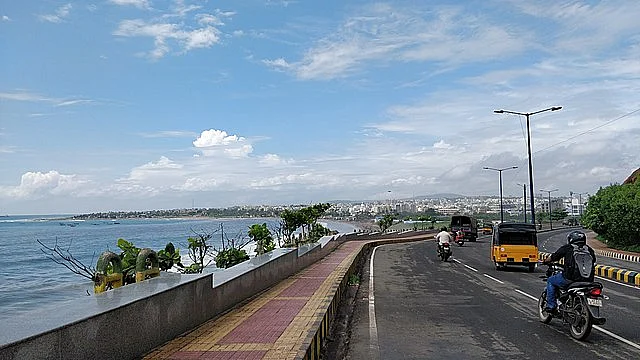
With tourists and tourism associations preparing for Budget 2026, they have been urging an increase in infrastructure investment, GST reform, skills development, and targeted incentives to enable India to compete internationally, thereby attracting worldwide tourists. This combined context provides the framework for what is likely to be the most important budget in the history of travel and tourism in India.
What Budget 2026 Must Deliver for Indian Travellers
The travel industry is hoping for significant action beyond incremental increases for its growth and benefit. For the travel industry to thrive and develop as a favoured global location, financial support for the growth of UDAN, tax reform to allow for more competitive pricing of travel tickets and investment in physical and digital infrastructure need to be included in the Union Budget presented by finance minister Nirmala Sitharaman on February 1, 2026.
If the Budget reflects these requirements, travellers will be able to connect much faster and at a much lower cost both within India and throughout the globe. In addition, if the Budget reflects these requirements, tourism-based businesses may experience surges in customer demand and tier-II or III economies may see their economies grow by an unprecedented rate. India’s travel industry will continue to develop rapidly in 2026 as opportunities to continue developing travel opportunities arise at every airport, rail or scenic location.
FAQs
1. How will Union Budget 2026 affect travel in India?
Union Budget 2026 is expected to boost travel through expanded regional air connectivity, new international routes, upgraded airports, faster trains and improved road infrastructure.
2. What changes are expected in the UDAN scheme in Budget 2026?
Budget 2026 is likely to strengthen UDAN with incentives for new routes, improved infrastructure and expanded connectivity to remote, hilly and Northeast regions.
3. Will Union Budget 2026 introduce new international flight routes?
Yes, new international routes are expected, including religious tourism hubs like Kushinagar gaining direct global connectivity, starting with flights to Southeast Asia.
4. How will rail and road projects impact tourism after Budget 2026?
Faster Vande Bharat trains, tourism circuits, expressways under Bharatmala and PM GatiShakti will reduce travel time and unlock new tourism destinations.
5. What does Budget 2026 mean for domestic travellers and local economies?
Improved connectivity will lower travel costs, boost domestic tourism, create jobs and accelerate growth in tier-II and tier-III cities across India.