

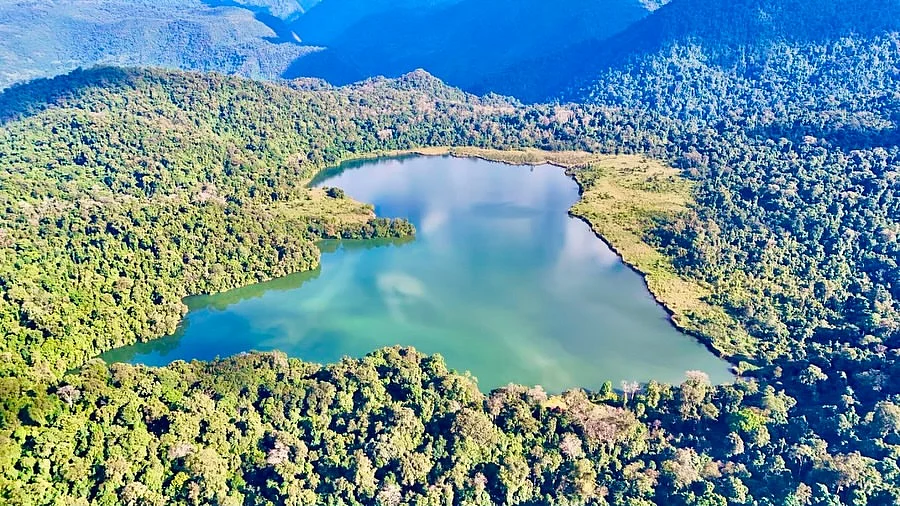
Arunachal Pradesh has entered India’s wetland conservation map. On August 3, Glaw Lake was announced as a Ramsar Convention Site, the first in the state and the 101st in India. Nestled within the Kamlang Tiger Reserve and Wildlife Sanctuary, this recognition marks the international importance of the freshwater wetland and reflects India’s expanding commitment to conserving ecologically significant landscapes.
The announcement also brings national attention to the Eastern Himalayas, which are often overshadowed by more popular national parks and mountain destinations. As sustainable tourism gradually expands across the region, Glaw Lake’s new status offers an opportunity to balance ecological protection with carefully managed visitation.
The Ecosystem That Earned Glaw Its Ramsar Status
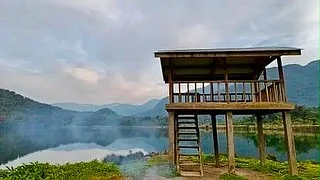
Located within a wildlife sanctuary in the Lohit district, the Glaw Lake is a freshwater lake fed by perennial mountain streams. It is surrounded by dense forests in the Eastern Himalayas and forms part of an interconnected ecosystem with wetlands, forests and mountain catchments. Its ecological value lies not only in the lake itself, but in the biodiversity it supports. According to government reports, the wetland and its catchment harbour more than 150 tree species and 49 orchid species. Along with that perennial streams feeding the lake also contribute to downstream water security while sustaining habitats for a wide variety of flora and fauna.
Under the Ramsar Convention, wetlands are recognised for their international importance based on ecological, hydrological, and biodiversity criteria. Glaw's relatively undisturbed freshwater ecosystem, its rich plant diversity and its location within a protected landscape make it an important representative of Eastern Himalayan wetlands. Its designation also strengthens conservation efforts by encouraging long-term monitoring, habitat protection and sustainable management of the surrounding landscape.

A Gateway To Eastern Arunachal’s Wilderness
For travellers, Glaw Lake’s Ramsar recognition shines light on one of India’s least explored landscapes. The lake, within the Kamlang Tiger Reserve, stretches across 800 sq km of subtropical and temperate forests. The reserve supports species such as tigers, clouded leopards, Asian elephants, Mishmi takin, red pandas, hoolock gibbons, and an extraordinary diversity of birds.
Not far away is the Namdapha National Park, one of India’s largest protected areas and among the country’s richest biodiversity landscapes. Together Kamlang and Namdapha form part of a vast forested corridor that connects India with Myanmar, making eastern Arunachal globally significant for wildlife conservation.
The region is also gradually emerging as an offbeat tourism destination. Improved road connectivity, community-run homestays, trekking routes, birdwatching opportunities and indigenous cultural experiences have begun attracting travellers looking beyond the conventional Northeast circuit of Kaziranga and Meghalaya. Destinations such as Wakro, the Mishmi Hills, Dong, the easternmost village in India, and the forests surrounding Kamlang are increasingly drawing nature enthusiasts. The challenge now is ensuring that tourism develops responsibly, so that fragile ecosystems such as Glaw Lake benefit from greater awareness without being overwhelmed by visitor pressure.
Why Does A Ramsar Recognition Matter?
The Ramsar Convention, adopted in 1971 in the Iranian city of Ramsar, is the world's oldest international treaty dedicated to wetland conservation. Its objective goes beyond protecting individual lakes or marshes; it seeks to promote the wise use of wetlands because they regulate water cycles, store carbon, reduce flooding, support biodiversity and sustain local livelihoods.
Eastern India is home to several internationally recognised wetlands that illustrate both the ecological importance and vulnerability of these landscapes. East Kolkata Wetlands continue to naturally treat much of Kolkata's wastewater while supporting fisheries and agriculture, but they face intense pressure from urban expansion. Sundarbans Wetland, the world's largest mangrove ecosystem, is increasingly threatened by sea-level rise, cyclones, salinity intrusion and coastal erosion. Deepor Beel, Assam's only Ramsar Site, grapples with encroachment, pollution, invasive species and waste dumping despite being a critical habitat for migratory birds.
Against this backdrop, Glaw Lake's recognition arrives at an important moment. Ramsar status is not a guarantee of protection, but it does raise the profile of wetlands that often remain invisible until they are under threat. For Arunachal Pradesh, the designation is a milestone; for travellers, it is an invitation to discover a quieter side of the Eastern Himalayas; and for conservationists, it is a reminder that safeguarding India's wetlands is as much about protecting landscapes and livelihoods as it is about preserving biodiversity for future generations.
FAQs
1. Why is Glaw Lake significant?
Glaw Lake is significant because it has become Arunachal Pradesh's first Ramsar Site and India's 101st wetland of international importance. Located within the Kamlang Tiger Reserve, it supports rich biodiversity and plays an important role in the Eastern Himalayan ecosystem.
2. What is a Ramsar Site?
A Ramsar Site is a wetland recognised under the Ramsar Convention, an international treaty adopted in 1971 to promote the conservation and wise use of wetlands that are ecologically important.
3. Where is Glaw Lake located?
Glaw Lake is located in the Lohit district of Arunachal Pradesh within the Kamlang Tiger Reserve and Wildlife Sanctuary, surrounded by forests in the Eastern Himalayas.
4. What wildlife can be found around Glaw Lake?
The Kamlang Tiger Reserve is home to tigers, clouded leopards, Asian elephants, Mishmi takins, red pandas, hoolock gibbons, numerous bird species, and a rich diversity of orchids and native trees.
5. Can tourists visit Glaw Lake?
Yes, Glaw Lake can be visited as part of eco-tourism experiences in eastern Arunachal Pradesh. Travellers can also explore nearby destinations such as Namdapha National Park, Wakro, Mishmi Hills, and Dong while following responsible and sustainable tourism practices.