

Koba Tirth in Gandhinagar, Gujarat, is set to welcome the Samrat Samprati Museum. This cultural and spiritual institution, dedicated to preserving and showcasing Jain art, history, and heritage, will be inaugurated on March 31, 2026, coinciding with Mahavir Janmakalyanak.
A Modern Tribute To Jain Heritage
Developed by the UNM Foundation (Torrent Group), the Samrat Samprati Museum is a tech-forward cultural institution that showcases over 2,000 years of Jain heritage. Housed within the Shri Mahavir Jain Aradhana Kendra in Koba, Gandhinagar, the museum is named after the Mauryan Emperor Samrat Samprati, a grandson of Ashoka and a profound propagator of Jainism and non-violence.
Key Features of the Museum:
Dedication: The museum celebrates Samrat Samprati Maharaj and his contribution to spreading Jainism and the principles of non-violence. Samprati ( r. 224 – 215 BCE) was the fifth emperor of the Maurya Empire. He was the grandson of the third Mauryan emperor, Ashoka, and the son of Kunala. He succeeded his cousin, Dasharatha Maurya.
Immersive Experience: Modern digital technology and audio-visual installations offer an interactive journey for visitors, scholars, and researchers.
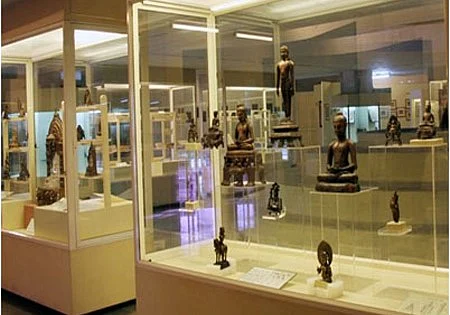
Seven Galleries: Exhibits span two millennia, featuring ancient Jain statues, manuscripts (Aagamas), Tirth Patta, Mughal-era edicts (Farmaan), and coins.
Location & Scope: Situated on the Mahavir Jain Aradhana Kendra campus, it functions as a “Kala-Tirth,” preserving artifacts through modern laboratory techniques.
Vision: A project realised from the lifelong efforts of Acharya Padmasagarsuri, who collected rare cultural relics over six decades.
Mission: Bridges the past and the future, presenting Jain art and architecture as living testaments to faith, culture, and history.
Exhibits and Highlights
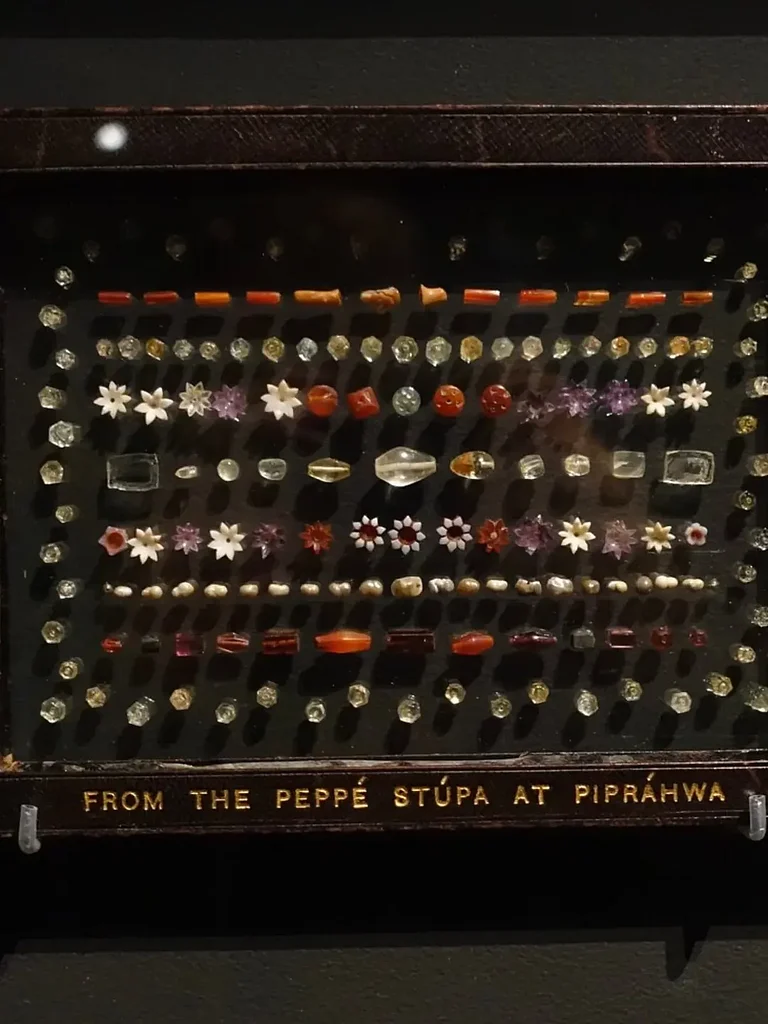
The museum blends traditional displays on Jainism with cutting-edge technology, creating an immersive environment for education and appreciation of Jain heritage. It combines traditional exhibits with digital installations, spiritual music, and audio-visual systems to enhance visitor experience. The space houses over 2,000 treasures, including palm-leaf and paper manuscripts, bronze statues, sandalwood artefacts, ivory, and gemstones.
Find out more here - www.kobatirth.org/kala-tirth/museum
About Koba Tirth
Koba Tirth, also known as Shri Mahavir Jain Aradhana Kendra, is a Jain pilgrimage centre on the Ahmedabad-Gandhinagar highway. Established in 1980, it is renowned for its 24-metre-high Mahavir Swami temple. The main temple (Derasar) is dedicated to Lord Mahavira (white idol in Padmasana), featuring intricate architecture and a basement housing idols of Manibhadravir, Padmavati Devi, and Bhagawan Adishver. The Gyan Mandir (Library) here is a major research centre housing thousands of rare, ancient manuscripts and Jain scriptures, often recognised for its preserved heritage.
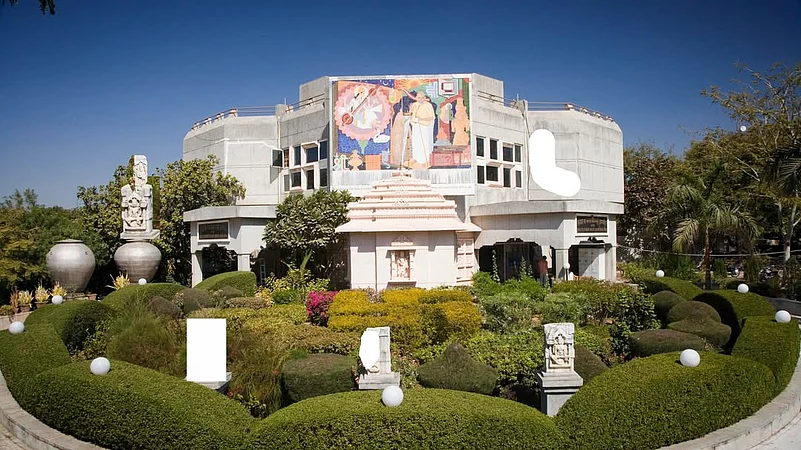

Location: Koba Circle, Gandhinagar-Ahmedabad Highway, Gujarat.
Timing: Generally open from 8 AM to 9 PM.
Rules: Strict Jain principles are followed; non-vegetarian food, potatoes, and root vegetables are prohibited.
FAQs
Where is the Samrat Samprati Museum located?
The museum is situated within the Shri Mahavir Jain Aradhana Kendra in Koba, Gandhinagar, Gujarat.
When will the museum be inaugurated?
The inauguration is scheduled for March 31, 2026, coinciding with Mahavir Janmakalyanak.
Who was Samrat Samprati?
Samrat Samprati (224–215 BC) was a Mauryan emperor, grandson of Ashoka, known for spreading Jainism and the principles of non-violence.
What does the museum feature?
The museum houses over 2,000 rare artefacts, including Jain manuscripts, bronze statues, Tirth Patta, Mughal-era edicts, coins, and other historical treasures across seven galleries.
What is the museum’s vision?
To preserve and promote Jain art, history, and heritage, while bridging India’s ancient traditions with modern technological engagement.