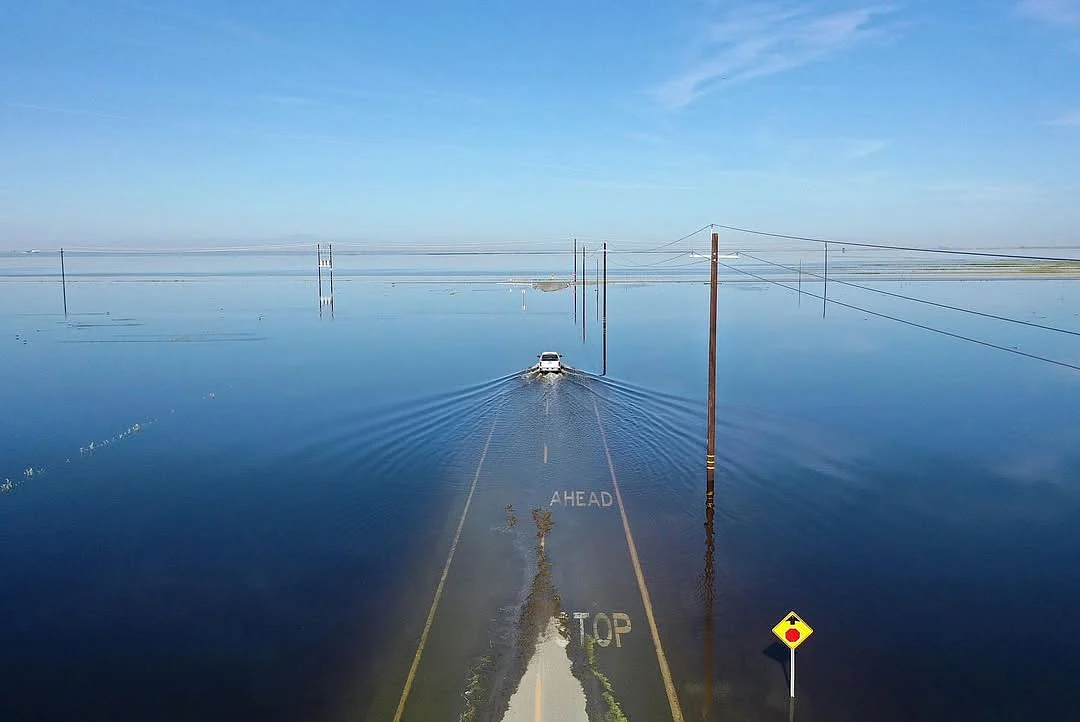
Tulare Lake, once the largest freshwater lake west of the Mississippi River, resurfaced in California’s San Joaquin Valley after more than 130 years. The return of the long-lost lake, known as Pa’ashi to the Tachi Yokut Tribe, drew attention to California’s unpredictable weather patterns, the limits of modern flood-control systems, and the enduring ecological and cultural significance of landscapes thought to have vanished.
The lake re-emerged in 2023 after intense winter storms and record snowmelt overwhelmed rivers and flood infrastructure across central California. Water flowed back into the Tulare Lake Basin, a vast natural depression that historically collected runoff from several Sierra Nevada-fed rivers.
At its peak, the revived lake covered over 100,000 acres of farmland, submerging roads and fields while restoring wetlands dry for generations.
What Made Tulare Lake One Of America’s Most Important Freshwater Lakes
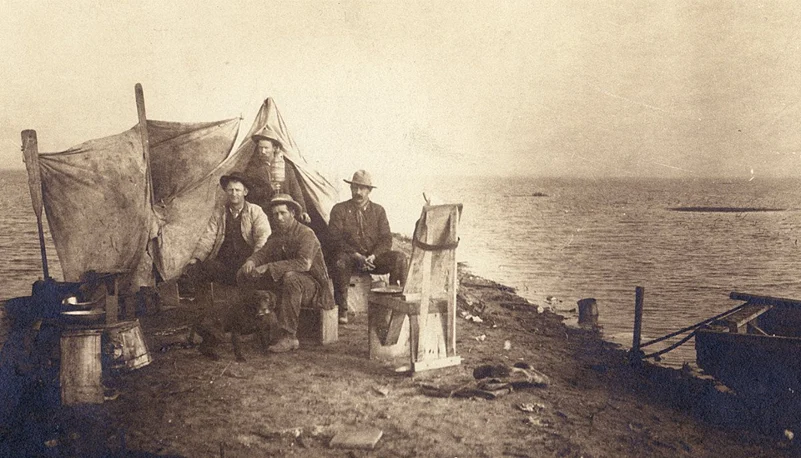

Before it was drained for agriculture in the late 19th century, Tulare Lake was an enormous inland freshwater lake stretching 160 kilometres long and 50 kilometres wide. Fed by the Kings, Kaweah, Tule and White rivers, it was a terminal basin where water collected with no outlet to the ocean.
Its size and depth were so great that steamships once crossed the lake, carrying agricultural supplies from Bakersfield to Fresno and onward to San Francisco.
For centuries, the Tachi Yokut people depended on the lake for food, transportation and cultural practices. They called it Pa’ashi and regarded it as central to their way of life.
Why Tulare Lake Disappeared
Tulare Lake disappeared due to large-scale land reclamation during California’s agricultural boom. Starting in the 1800s, settlers diverted rivers, built canals and drained wetlands to turn the fertile lakebed into farmland.
Federal and state policies encouraged this by granting land to those who could make it productive for agriculture. By the 1890s, Tulare Lake had largely vanished, replaced by one of the most productive farming regions in the United States.
Although the water disappeared, the basin remained. The low-lying lakebed continued to act as a natural catchment, vulnerable to flooding whenever runoff exceeded engineered water systems’ capacity.
What Brought Tulare Lake Back
The lake’s return was triggered by an extraordinary winter in 2022–23, when California was hit by over a dozen atmospheric rivers. These storms brought torrential rain and created a snowpack in the southern Sierra Nevada nearly 300 percent of normal.
As temperatures rose in spring, rapid snowmelt sent massive volumes of water into the Kings and Tule river systems.
Dams, canals and levees could not contain the runoff, and gravity carried excess water back into the Tulare Lake Basin. The event showed how even heavily engineered landscapes can revert to their original hydrological state under extreme conditions.
Tulare Lake’s Return Revived Ecosystems
While the flooding caused major economic disruption, it also triggered an ecological revival.
The newly formed wetlands quickly became an important stop along the Pacific Flyway, attracting tens of thousands of migratory birds. Species like American avocets, black-necked stilts, ducks, pelicans and hawks returned to feed and nest in the shallow waters.
Fish, amphibians and dormant plant life also reappeared, highlighting the landscape’s ability to recover when water returns.
Final Word
Although the lake has receded since its dramatic return, Tulare Lake remains a powerful symbol of California’s volatile water cycles and the enduring force of natural systems.
Its resurgence disrupted farming and local economies, but it also restored wildlife habitats and revived cultural connections once thought lost. For scientists, farmers and indigenous communities alike, the reappearance of Tulare Lake serves as a reminder that California’s landscapes continue to follow ancient patterns, even in an era shaped by modern engineering and climate extremes.
(With inputs from various sources)
FAQs
1. What is Tulare Lake?
Tulare Lake was once the largest freshwater lake west of the Mississippi River, located in California’s San Joaquin Valley. It was historically fed by rivers flowing from the Sierra Nevada and supported rich ecosystems and Indigenous communities.
2. Why did Tulare Lake disappear?
The lake was drained in the late 19th century as settlers diverted rivers and reclaimed the fertile lakebed for agriculture, transforming the basin into one of America’s most productive farming regions.
3. When did Tulare Lake return?
Tulare Lake re-emerged in 2023 after a series of intense atmospheric river storms and record snowmelt overwhelmed California’s flood-control infrastructure.
4. How large did the revived Tulare Lake become?
At its peak, the revived lake covered more than 100,000 acres, inundating farmland, roads, and restoring wetlands that had been dry for generations.
5. Why is Tulare Lake important ecologically?
Its return created critical habitat for migratory birds along the Pacific Flyway and supported the reappearance of fish, amphibians, and dormant wetland vegetation.