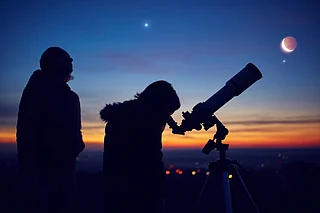


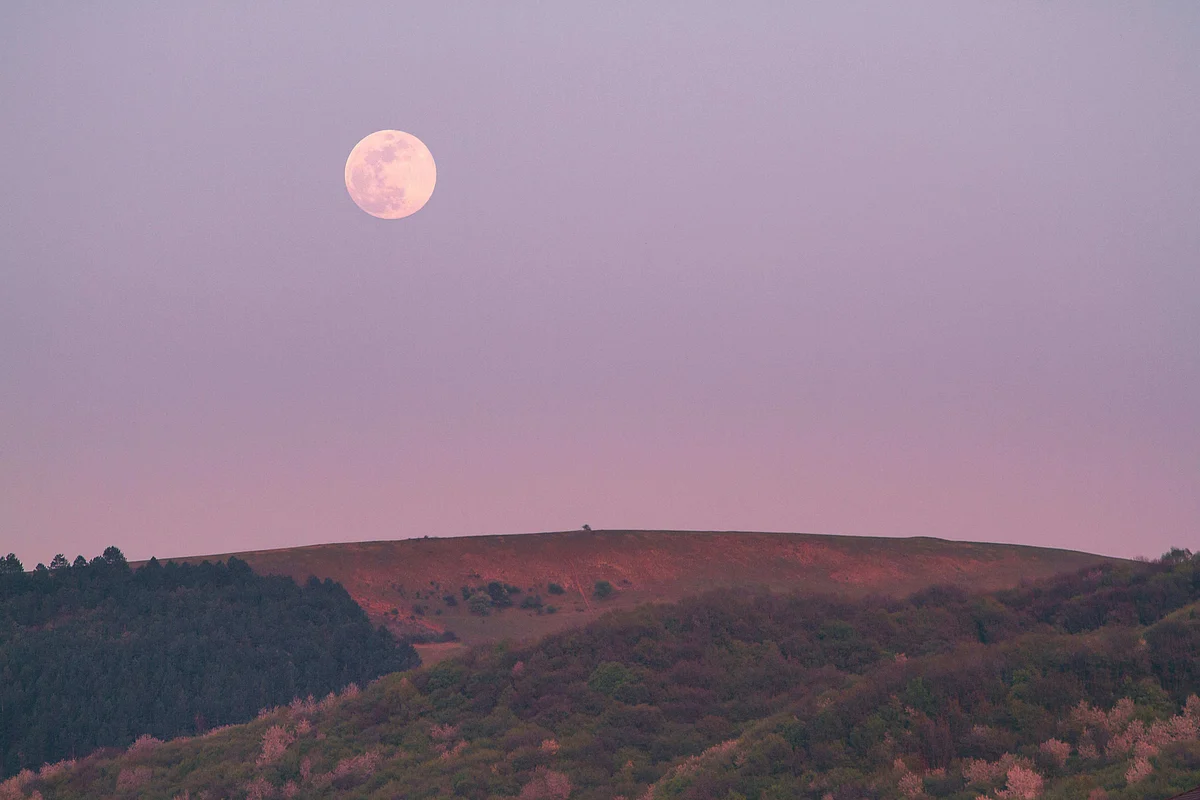
The night sky has a way of reminding us that even the most ordinary evenings can turn quietly spectacular. On April 1, 2026, skywatchers across much of the world will be treated to one of spring’s most anticipated celestial events—the April full moon, popularly known as the Pink Moon. While the name may suggest a rosy glow, the phenomenon is less about colour and more about seasonal change, tradition, and a sky that feels newly alive after winter.
The Pink Moon will reach peak illumination at 10:12 PM Eastern Time (EDT), when the Moon sits directly opposite the Sun, fully reflecting its light toward Earth. Although this precise astronomical moment marks the Moon’s fullest phase, the best viewing experience will likely come shortly after sunset, when the Moon rises in the eastern sky and slowly brightens the night.
For most observers, the Moon will appear bright and nearly full for a night or two around April 1, making it accessible even if clouds or weather interfere on the exact evening. As it rises low along the horizon, it may even appear unusually large—a well-known visual trick called the “moon illusion,” which occurs when the Moon is viewed near the horizon against familiar landscape features.
Seasonal Moon Names
Despite its charming title, the Pink Moon does not actually appear pink. The name originates from traditional seasonal naming systems used by Native American communities and early European settlers, who relied on lunar cycles to track the changing months. April’s full moon was linked to the blooming of Phlox subulata, also known as creeping phlox or moss pink, a vibrant wildflower that carpets parts of North America in early spring.
These lunar names served as markers of seasonal transitions long before modern calendars became widespread. Across cultures, the April full moon has been known by several other evocative titles, including the Budding Moon, Sprouting Grass Moon, Breaking Ice Moon, and Sucker Moon—each referencing the environmental shifts that signal the arrival of warmer months.
The timing of the Pink Moon also carries symbolic meaning. Occurring just after the spring equinox, it represents renewal, rebirth, and the slow reawakening of nature. Across many traditions, this full moon has long been associated with themes of growth and transformation as landscapes move from dormancy into bloom.
Easter Connection
Beyond seasonal symbolism, the April full moon plays a crucial role in determining one of Christianity’s most important festivals. Known as the Paschal Moon, it is the first full moon that follows the spring equinox. Easter Sunday is then observed on the first Sunday after this lunar event.
In 2026, the Pink Moon arrives just days before Easter, placing the holiday on April 5. This long-standing astronomical rule, established centuries ago, means that Easter’s date shifts every year depending on the interplay between the Moon’s phases and the equinox.
The calculation itself has an interesting historical layer. While the actual equinox can fall on March 20 or March 21, depending on the year, church tradition fixed the equinox date at March 21 to standardise Easter calculations across regions.
April Skywatching
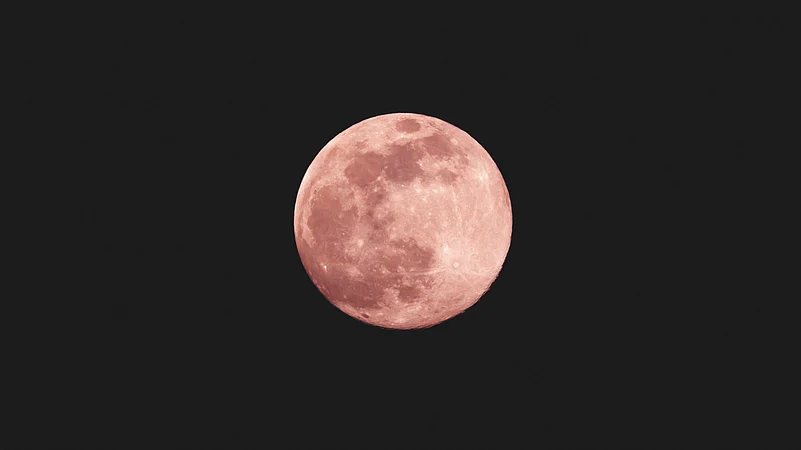

The Pink Moon also sets the tone for a lively month in the night sky. April 2026 promises several celestial highlights that will keep astronomers and casual stargazers looking upward.
Just two days after the full moon, Mercury will reach its greatest western elongation on April 3, meaning the innermost planet will appear farther from the Sun in the sky and become easier to spot shortly before sunrise. Around the same time, Comet C/2026 A1 (MAPS) will make its closest approach to the Sun on April 4, potentially appearing in the early morning twilight.
Later in the month, a series of striking alignments and deep-sky events will unfold. Between April 16 and 23, several planets—including Mars, Saturn, and Neptune—will appear lined up in the pre-dawn sky in what astronomers call a planet parade. Shortly afterwards, on April 18 and 19, the Moon will pass near Venus and the star cluster known as the Pleiades, creating a particularly photogenic early-morning grouping.
The month will culminate with the Lyrid meteor shower, which peaks on the nights of April 22 and 23. Under dark skies away from city lights, observers may catch fast streaks of light crossing the sky between midnight and dawn.
Pink Moon Viewing Times
The Pink Moon will reach peak illumination at 10:12 PM EDT on April 1, 2026, but the best time to observe it is shortly after moonrise in the evening. Viewing times vary by region and time zone.
New York, USA (EDT) – Peak at 10:12 PM, April 1; visible after sunset around 7:20 PM
Chicago, USA (CDT) – Peak at 9:12 PM, April 1; moonrise around 7:12 PM
Denver, USA (MDT) – Peak at 8:12 PM, April 1; moonrise around 7:25 PM
Los Angeles, USA (PDT) – Peak at 7:12 PM, April 1; moonrise around 7:10 PM
London, UK (BST) – Peak at 3:12 AM, April 2; best viewing late evening after 7:30 PM on April 1
Paris, France (CEST) – Peak at 4:12 AM, April 2; visible from around 8:00 PM on April 1
New Delhi, India (IST) – Moonrise around 6:36 PM, April 1; near-full moon visible through the night
Mumbai, India (IST) – Moonrise around 6:51 PM, April 1
Bengaluru, India (IST) – Moonrise around 6:33 PM, April 1
Kolkata, India (IST) – Moonrise around 6:07 PM, April 1
Sydney, Australia (AEDT) – Peak at 1:12 PM, April 2; best viewing on the evening of April 2 after moonrise
For the best experience, observers should look towards the eastern horizon shortly after sunset, ideally from open areas with minimal light pollution such as beaches, hilltops, or countryside locations.
FAQs
1. When will the Pink Moon occur in 2026?
The Pink Moon will reach peak illumination on April 1, 2026, at around 10:12 p.m. Eastern Time.
2. Why is it called the Pink Moon?
The name comes from the blooming of moss pink or creeping phlox, a spring wildflower in North America.
3. Does the Pink Moon actually appear pink?
No, the Moon usually appears its normal silvery-white or slightly orange near the horizon.
4. What is the Paschal Moon?
The April full moon is often called the Paschal Moon because it helps determine the date of Easter.
5. When is the next full moon after the Pink Moon?
The next full moon will occur on May 1 and is traditionally known as the Flower Moon.