There are places that feel ancient, and then there’s Luxor—a city that casually radiates 4,000 years of architectural flexing before breakfast. Cairo may dominate with its pyramids and traffic jams, but Luxor is where ancient Egypt feels startlingly intact, almost as if the pharaohs just slipped out for a snack and will be right back. Here, temples aren’t ruins so much as living storyboards, like columns marching towards the sky, sphinx-lined avenues, and hieroglyphic reliefs that still retain their colour deep inside the tombs. For first-timers, Luxor can be overwhelming in the best possible way, there’s so much to see, decode, photograph, and simply stand in front of with your jaw open. But with a smartly planned three-day itinerary, you don’t just tick off the “important stuff,” you learn how the pieces connect: life and death, gods and kings, power and vanity, engineering and devotion. And that’s where Luxor shines, not as a checklist, but as a narrative.
Three days here is the bare minimum—and also just enough to feel utterly transported.
Day 1: A Gentle Orientation

Morning At Luxor Temple
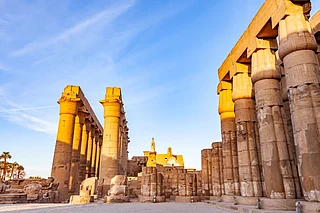
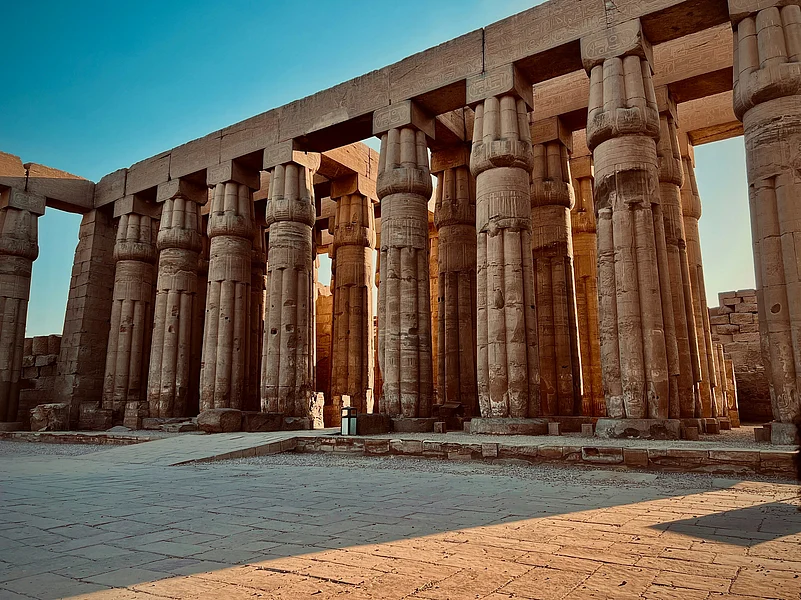
If there’s one sightseeing rule in Egypt, it’s this: beat the buses. Luxor Temple opens at 6 AM, and arriving by 7 AM means wandering through colonnades and courtyards without the chorus of selfie sticks. It’s smaller than Karnak but filled with exquisite detail—colossal statues, story-laden reliefs, and the kind of symmetry that makes architects weep a little.
Walk Or Carriage To Luxor Museum
From the temple, follow the Nile north on foot for 15–20 minutes or take the classic kalesh (horse carriage). Luxor Museum is compact, air-conditioned, and surprisingly modern, displaying carefully curated statues, carved stelae, and a few eerie-but-fascinating royal mummies. Budget 45–60 minutes.
Afternoon At Leisure
Here’s where the smart traveller rests instead of sprinting. Luxor heats up quickly, and your brain can only absorb so many dynasties per day. Hotels like the historic Winter Palace have lush gardens and dreamy pools perfect for a mid-afternoon cool-down.
Dinner In Town
Skip hotel dining tonight—Luxor has characterful restaurants where Egyptian classics shine. Sofra is a local favourite serving koshari, molokhia, mezze, and fresh juices. It’s relaxed, affordable, and full of expats comparing temple notes.
Optional: Evening stroll along the Corniche for Nile breezes and golden-hour photographs.
Day 2: The West Bank’s Royal Afterlives
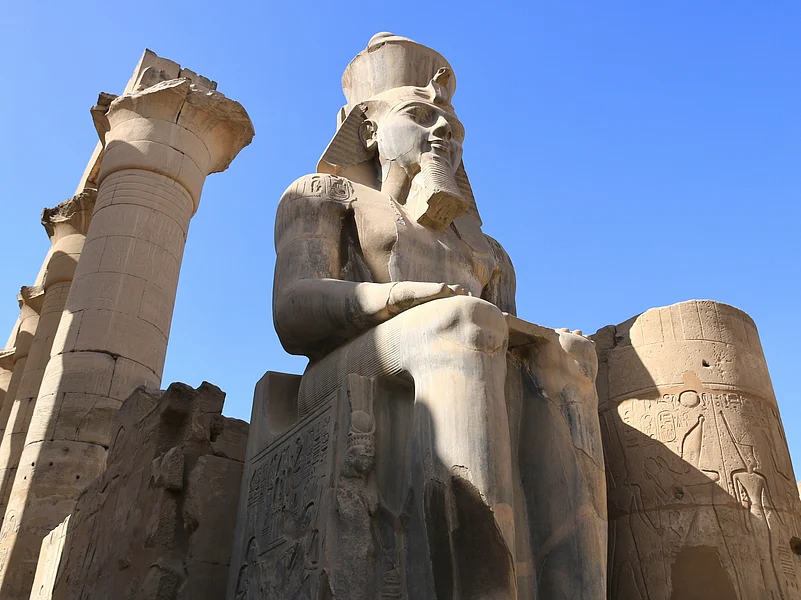
Day two is the heart-racer, where you can explore tombs, mortuary temples, and enough ancient engineering to rewire your entire sense of time.
Morning in the Valley Of The Kings
Cross to the West Bank (40 minutes by car) for a guided half-day exploration. A standard ticket gives access to three open tombs—usually a rotating selection of seven—so choose wisely. Colours and carvings are shockingly intact after thousands of years, making it easy to lose track of time in these subterranean art galleries designed for eternity. It is, in every sense, awe-inducing.
Temple Of Hatshepsut
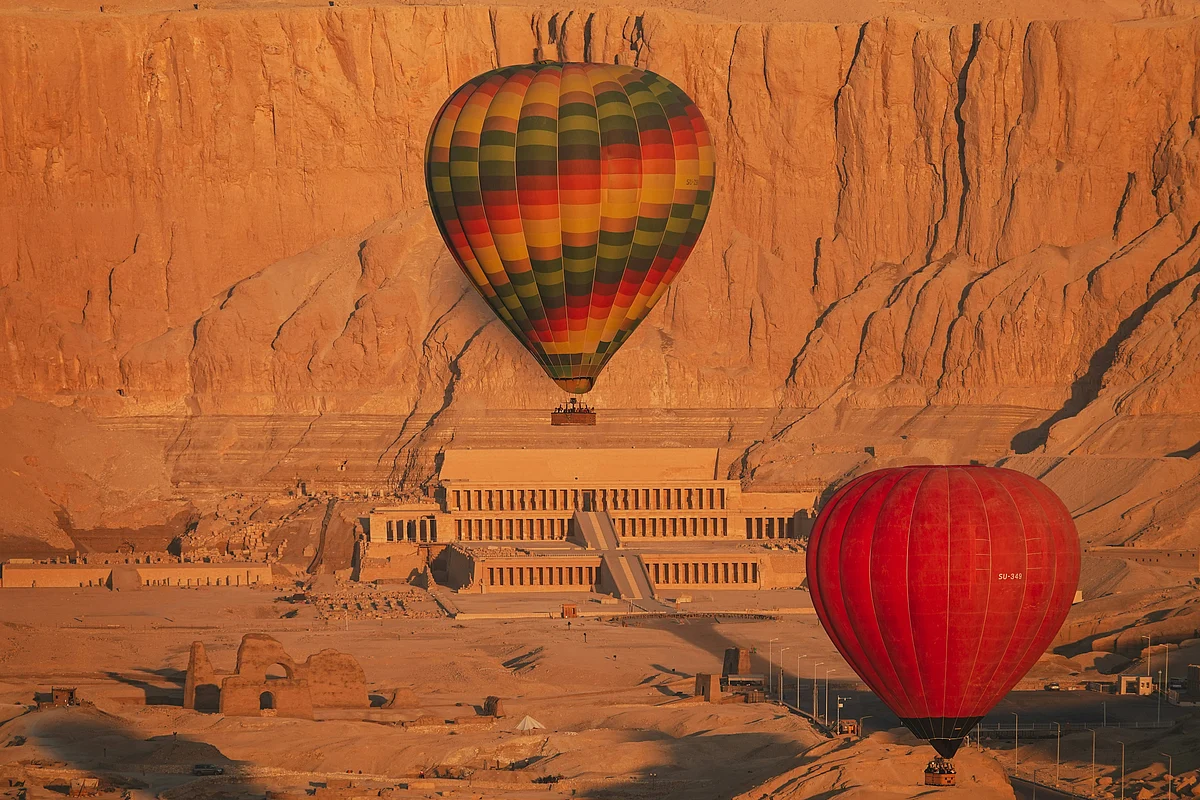
Before or after the tombs (depending on your driver/guide), stop at the terraces of Deir el-Bahari—Queen Hatshepsut’s grand mortuary temple rising out of the limestone cliffs like an ancient stage set. Give it an hour.
Lunch & Markets
Back on the East Bank, Al-Sahaby Lane near the Nefertiti Hotel offers easy Egyptian fare (think tagines, salads, feteer). If energy permits, browse Luxor’s markets. Haggle with humour—prices drop faster with a smile than a scowl.
Evening Drinks At The Winter Palace
With leather chairs, dim lighting, and a touch of Agatha Christie mystery, the Winter Palace Bar is where to toast a day heavy with dynastic drama. Opt for cocktails—wines swing between “pricey” and “emotionally complex.”
Day 3: Karnak Majesty & Sunset Shisha

Your final day on the East Bank ties the whole narrative together. Karnak is less a temple and more a small ancient city—so go early.
Morning At Karnak Temple
Doors open around 6–7 AM. Arrive early and there’s a chance you’ll walk among the Hypostyle Hall’s 134 towering columns essentially alone. Karnak sprawls across 60 acres, with temples, sanctuaries, ram-headed sphinxes, and sacred lakes forming a puzzle of Amun-related devotion. Allow 2–3 hours (yes, really).
Breakfast & Pool Time
Return to your hotel late morning. Luxor rewards slow afternoons: a shaded lounger, iced hibiscus tea, and a dip before the evening heat spikes.
Optional: Mummification Museum
Small and niche, this museum can be seen in under an hour if you’re still hungry for ancient science. If not—another swim never hurt anyone.
Sunset Shisha & Final Dinner
As dusk falls, settle into a riverside shisha lounge or the Winter Palace’s Shisha Bar to watch the sky go dusty pink. For dinner, The Lantern Room offers a British-leaning menu for anyone needing a brief break from mezze and tahini (it happens to the best of us).
If You Have An Extra Day
Luxor rewards the curious, and an extra day lets you dive deeper into sites many travellers miss. Start with the Tomb of Seti I, one of the most exquisitely preserved in Egypt—long, richly painted, and among the most expensive for good reason (and photos are restricted). Continue to the Valley of the Queens, where tombs are more intimate, and the jewel-like Tomb of Nefertari is small, spectacular, and incredibly well-restored. Add Deir el-Medina, the village of artisans who carved the royal tombs; their own tombs show scenes of daily life rather than cosmic judgment. Round out the day at Medinet Habu, a massive mortuary temple with dramatic reliefs and blessedly fewer crowds—one of Luxor’s most underrated experiences.
FAQs
1. How many days do you need in Luxor?
3 days is ideal for first-timers—enough for Karnak, Luxor Temple, Valley of the Kings, Hatshepsut, and the Nile without rushing.
2. Which side of the Nile should I stay on?
Most hotels are on the East Bank (closer to restaurants, museums, Luxor Temple). The West Bank is quieter and closer to tombs.
3. Do you need a guide for Luxor?
Not mandatory, but highly recommended for the West Bank to understand tomb art, symbolism, and historical context.
4. When is the best time to visit Luxor?
October–April offers pleasant weather. Summers (May–September) are extremely hot—especially on the West Bank.
5. Are photography permits required in temples and tombs?
In many tombs, photography is allowed with a paid ticket; some premium tombs ban photos completely (e.g., Seti I, Nefertari at times). Always check on-site.