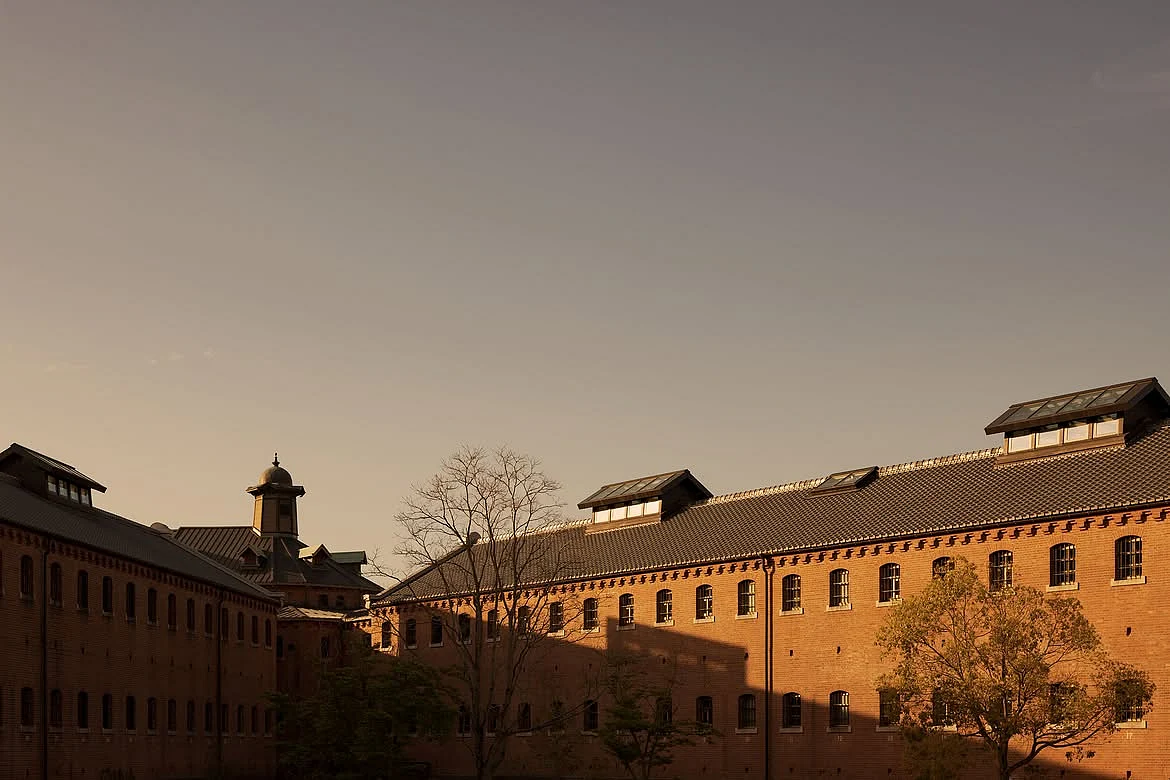
What if your next luxury stay came with a little history attached? In Nara, Japan, a former prison has traded iron doors and solitary cells for plush suites, a French-inspired restaurant and a distinctly unusual overnight experience. Hoshinoya Nara Prison, the latest property from Hoshino Resorts, has transformed the historic Nara Prison into a 48-suite hotel while retaining much of the architecture that made the original building significant.
Built in 1908 during Japan’s Meiji era, the red-brick prison was once part of the country’s modern correctional system and continued to operate as a juvenile prison until 2017. After its closure, the historic complex faced the familiar challenge of ageing heritage buildings: how do you preserve an important structure while giving it a viable future? The answer, in this case, was hospitality.
From Prison Cells To Hotel Suites
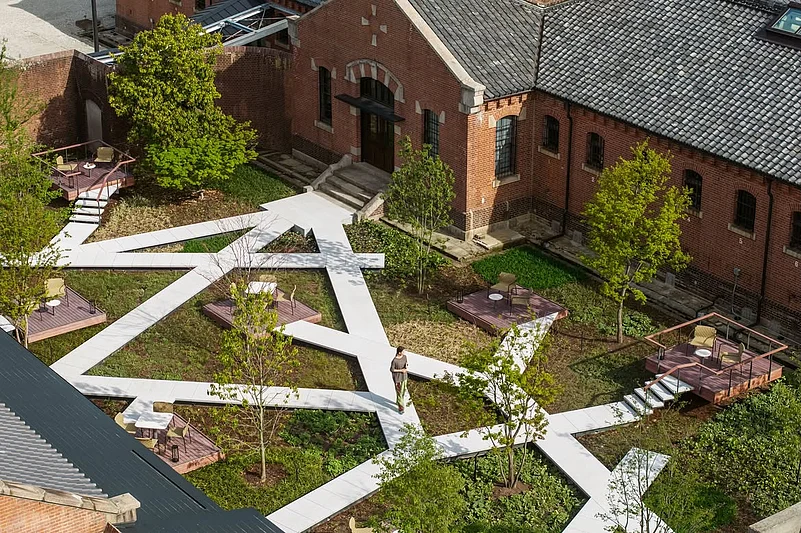

The transformation took seven years, with architects working around the constraints of a building that was never designed for leisurely weekends or room service. Four of the prison’s five radial wings have now been converted into guest accommodation, with roughly 500 original cells reconfigured into just 48 suites.
The unusual proportions of the former cells remain central to the design. Depending on the category, nine, 10 or 11 cells have been joined to create one long suite. The result is less like a conventional hotel room and more like a narrow, elongated residence, with the original structure influencing the way guests move through the space.
Inside, the history has not been completely scrubbed away. Exposed red brick, steel pillars, and elements of the old prison architecture remain visible, including heavy metal doors in parts of the property. At the same time, the interiors have been given the comforts expected of a luxury hotel, including lounge areas, coffee stations, minibars, walk-in wardrobes, and spacious bathrooms with standalone bathtubs and separate showers.
A Suite That Still Remembers Its Past
One of the property's suites recently drew attention after luxury travel creator Elona Karafin shared a tour of her stay. Her accommodation had been created from nine to 11 former cells, resulting in a long, narrow floor plan that she compared to a train carriage.
The suite begins with a lounge framed by the prison’s original brickwork, followed by a small dining area, coffee station and minibar. Guests can also find locally made gifts from Nara, including handmade accessories and other items that connect the stay to the surrounding region.
Natural light was one of the obvious challenges in converting a prison into a hotel. The original small windows remain, but the redesigned interiors make use of the available daylight. A second sitting area includes a CD and cassette player, adding another nod to the building’s Meiji-era history, while the bedroom itself is considerably more pared back.
The property’s three room categories are based on the number of former cells incorporated into each space: the 11-cell Deluxe Suite, 10-cell Suite and 9-cell Suite. The suites are also intentionally free of televisions, electronic distractions and even clocks, encouraging guests to spend more time with the setting rather than keeping track of it.
From Detention Hall To Dining Room
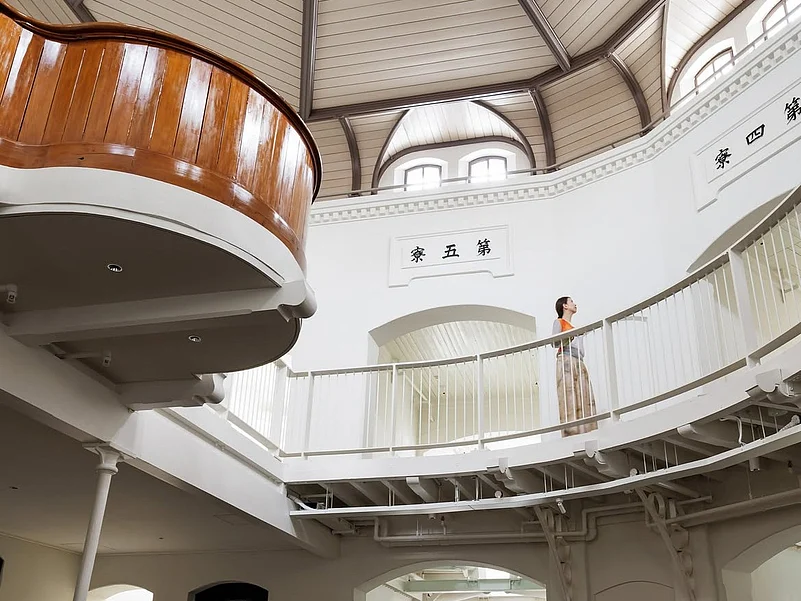
The conversion extends beyond the rooms. A former detention hall has been reimagined as a French-inspired restaurant, adding another layer to the hotel's unlikely evolution. Elsewhere, one of the original courtyards, once enclosed as part of the correctional facility, has been redesigned as a space for hotel guests.
The wider former prison complex also has a museum element, with guided tours introduced to help visitors understand the history of the site. That is important because Hoshinoya Nara Prison is not simply using a historic façade as a backdrop for a hotel. The architecture, layout and past function of the building are central to the experience.
Its location also gives the project a wider tourism angle. Nara is already one of Japan’s best-known cultural destinations, home to Nara Park, historic temples and the city’s famous deer. Turning a significant heritage site into a place where travellers can stay could encourage visitors to spend more time in the city rather than treating it as a quick stop between Kyoto and Osaka.
How Much Does It Cost To Stay Here?
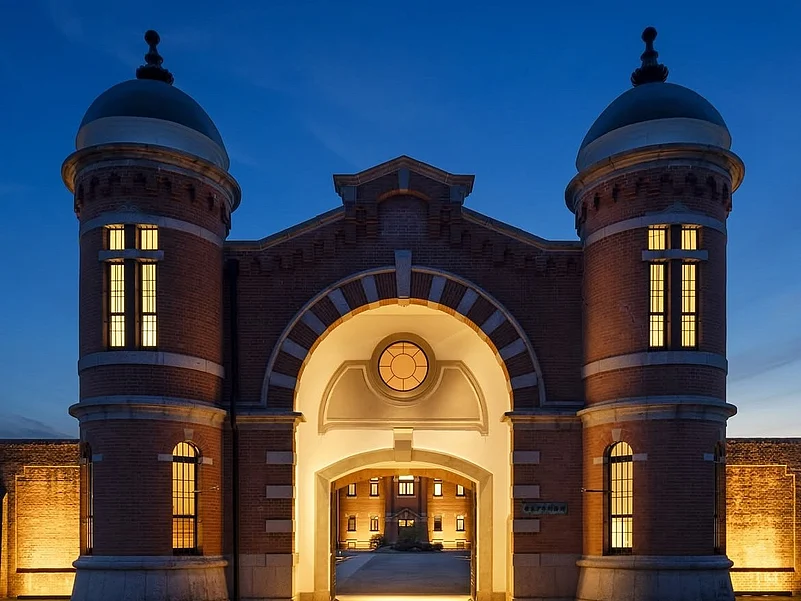
A night at Hoshinoya Nara Prison starts at around JPY 147,000, with the final price varying according to the suite and booking details. That puts the property firmly in the luxury category, but the price also contributes to a larger conservation story.
The project forms part of a broader approach in Japan that looks at tourism as a way to fund and maintain ageing cultural properties. Historic buildings can be expensive to preserve, particularly when they no longer have their original function. Giving Nara Prison a new commercial life offers a way to keep the structure in use while introducing travellers to a less familiar chapter of Japan’s history.
For guests, meanwhile, the appeal is hard to miss. You can sleep inside a building that once served an entirely different purpose, surrounded by original Meiji-era architecture but with a minibar, bathtub and carefully considered hospitality. It is an unusual proposition, certainly, but perhaps that is precisely what makes Hoshinoya Nara Prison worth a place on the curious traveller’s Japan itinerary.
FAQs
1. What is Hoshinoya Nara Prison?
Hoshinoya Nara Prison is a luxury hotel created inside Japan’s historic former Nara Prison.
2. When was Nara Prison built?
The original Nara Prison was built in 1908 during Japan’s Meiji era.
3. How many suites does Hoshinoya Nara Prison have?
The hotel has 48 suites, created by combining nine to 11 former prison cells.
4. How much does it cost to stay at Hoshinoya Nara Prison?
Rates start at around JPY 147,000 per night, with prices varying by suite and booking details.
5. Does Hoshinoya Nara Prison retain its original architecture?
Yes. Original red brickwork, steel pillars and other elements of the former prison have been preserved.