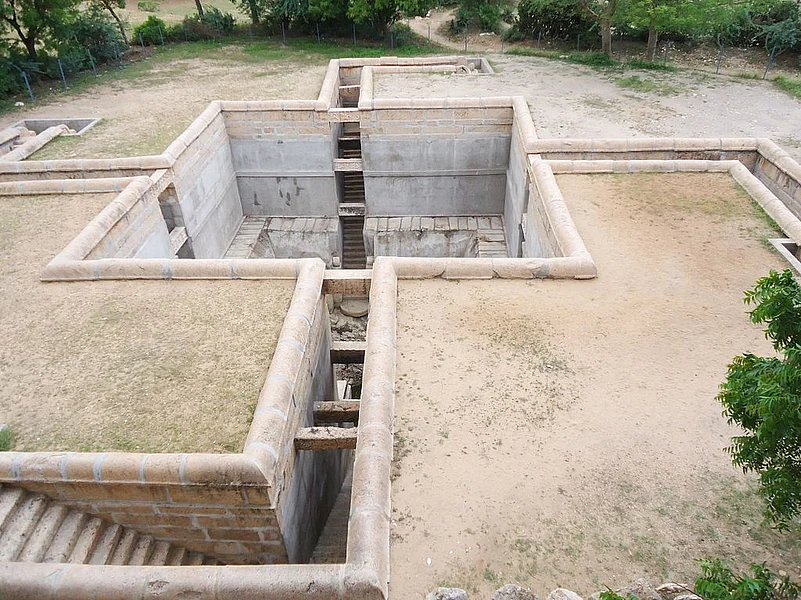


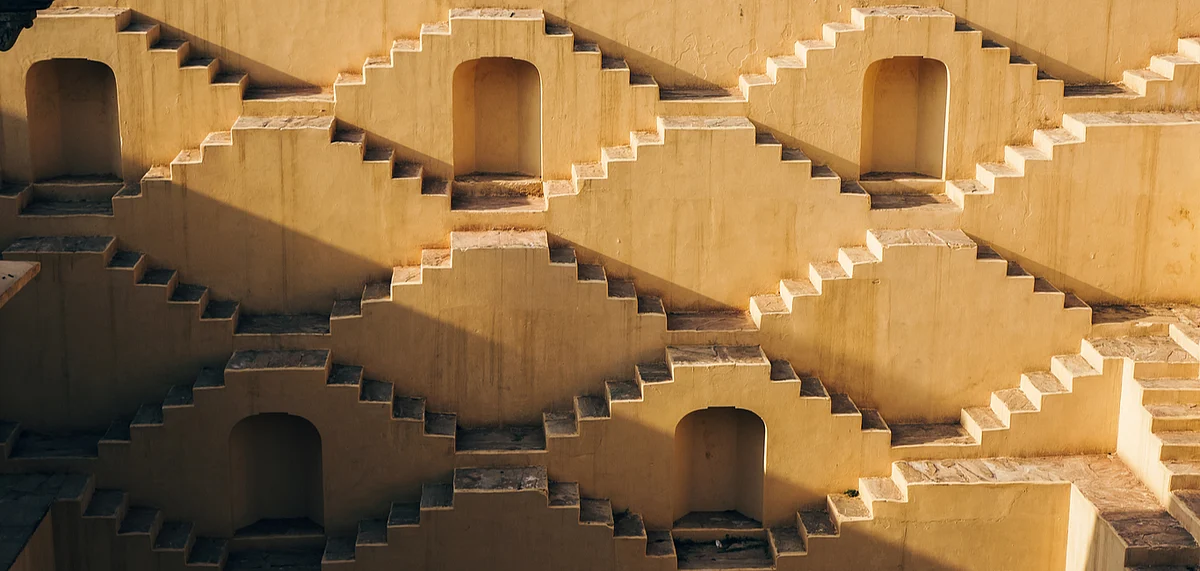
A common phenomenon in India, stepwells are just that &mdash steps descending down to wells, made by digging deep into the earth. Apart from acting as an important source of water, they also served as a source of leisure and worship. These magnificent structures tapped into underground water tables, providing a year-round water supply. Quite a huge number of stepwells can be traced back to the Indus Valley Civilisation and this is why a majority of them can be found in the northern parts of India.
The ones in South India have a distinctive style, with ornate and intricate carvings depicting religious scenes. Sadly, many of them continue to remain in a dilapidated state. However, even with all the disrepair and vegetation growth, it has not dimmed their shine and they continue to remain a visually stunning window into India&rsquos glorious past.
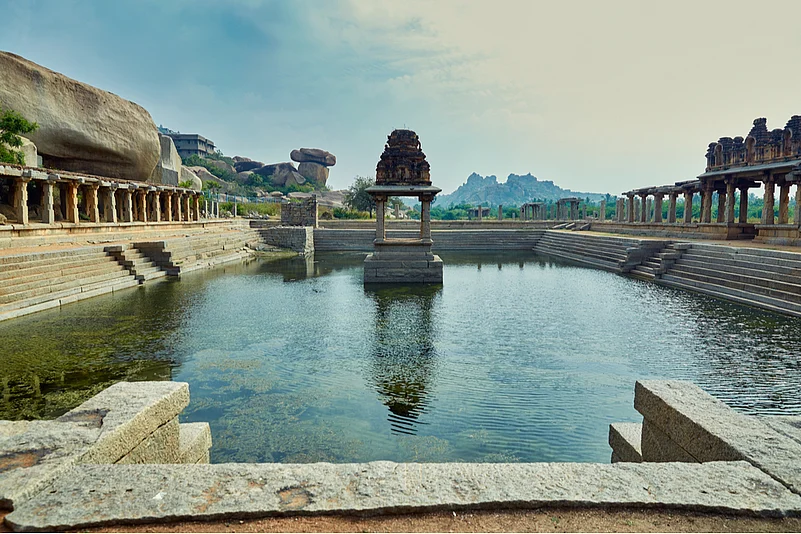
Hampi Pushkarini, Karnataka

Bhoganandishwara Temple Stepwell, Karnataka
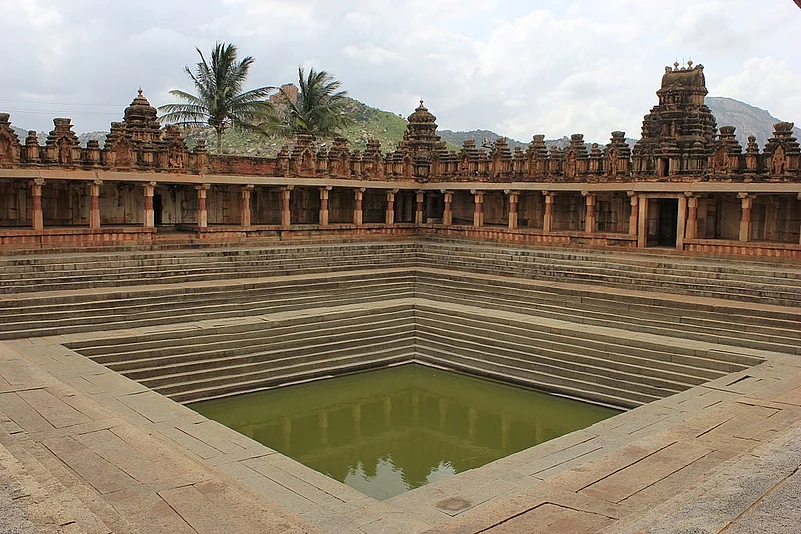
Itagi Mahadeva Temple Stepwell, Karnataka
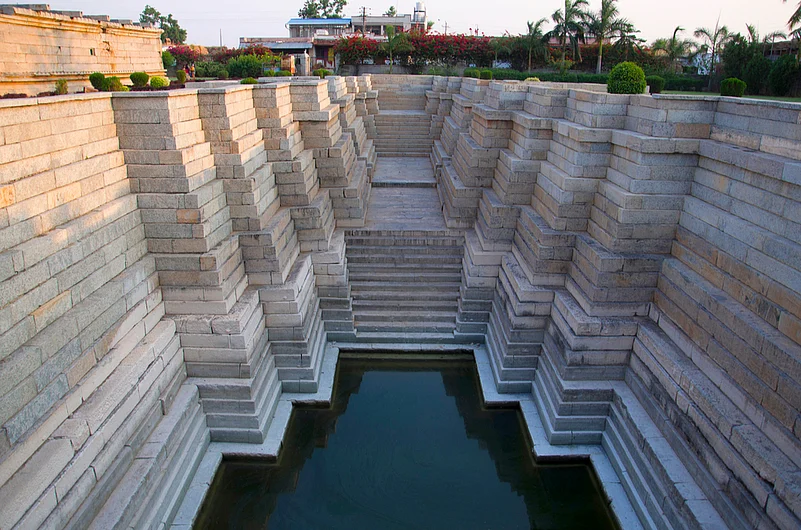
Lakkundi Kalyanis Stepwell, Karnataka
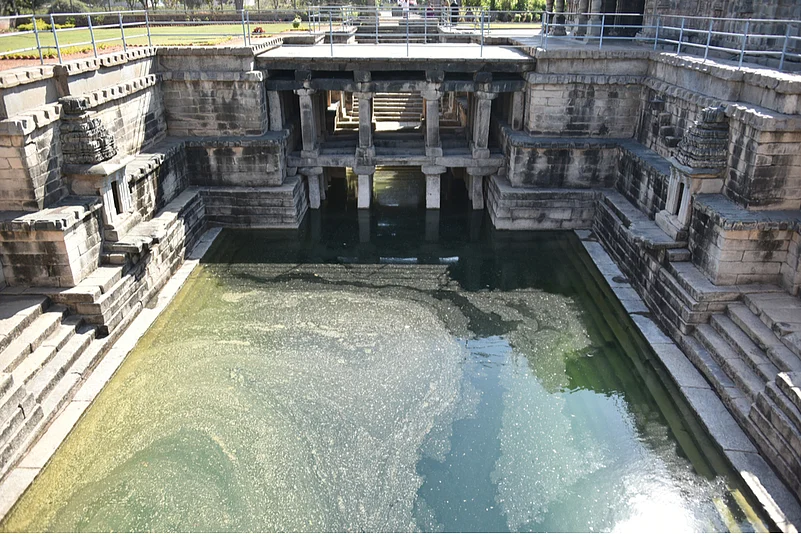
Badi Baoli, Telangana
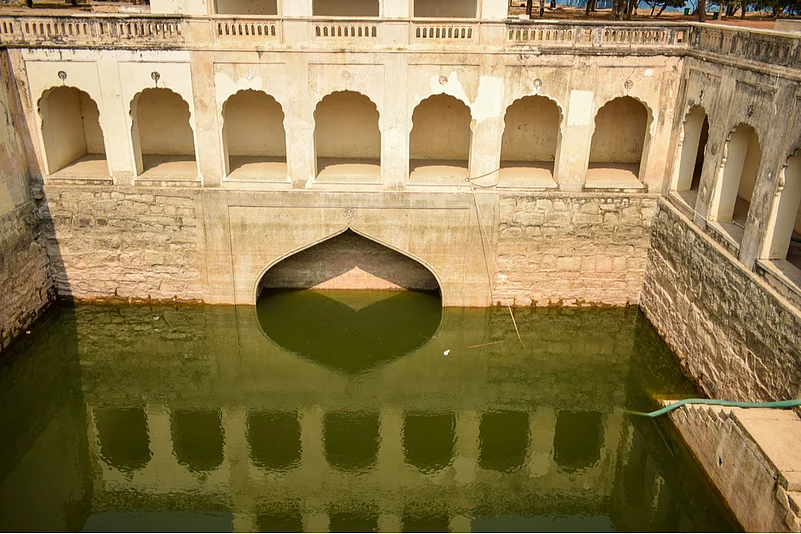
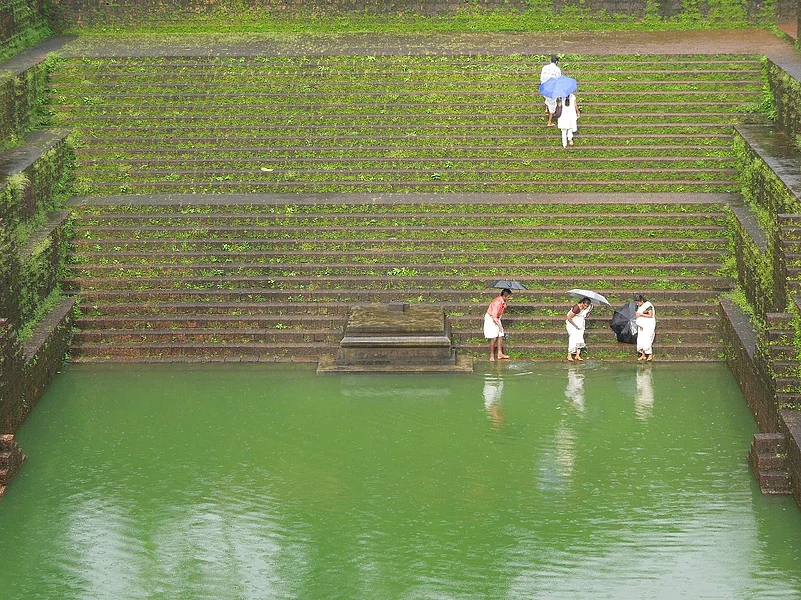
Peralassery Temple Pond, Kerala
Swastika Stepwell, Tamil Nadu