


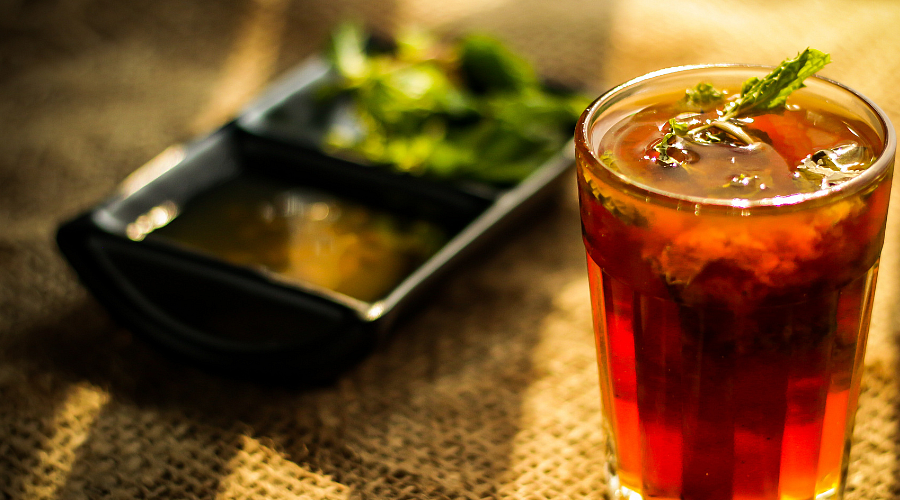
Legend has it that the first cup of tea was accidental. The Chinese Emperor Shennong was sitting beneath a Camellia sinensis tree (species from which tea comes) when his servant was boiling drinking water. A few leaves fell into this pot, which excited Shennong, a renowned herbalist. He tried it, and the resulting concoction is what we now call tea. Tea is now consumed everywhere, with around five billion cups worldwide. However, they differ in the specific kinds of leaves, sorting and drying styles, roasting and brewing techniques, and a whole lot of ingredients that add character. Hot, cold, sweet, spicy, with or without milk–variations are endless. Here are some teas from around the world that you probably have not heard of before.
Genmaicha
No, it's not exactly matcha. This is a Japanese green tea combined with roasted, popped brown rice. Because the rice pops during roasting, it is colloquially called popcorn tea. Why the rice? Historically, the addition served as a filler, reducing the price of tea and making it available to the poor. Today, however, everyone drinks this tea.
The sugar and spice from the rice give the tea a warm, nutty flavour and are considered good for the stomach. Genmaicha can be brewed hot and yields a light yellow colour. It is sometimes sold with matcha, which intensifies the flavour and makes the colour more green than light yellow.
Teh Tarik
This is the unofficial national drink of Malaysia, which traces its roots back to Southern India. Teh Tarik is a hot milk tea found in restaurants, outdoor stalls, mamaks, and kopitiams in Malaysia, Brunei, Indonesia, Singapore, and Thailand. Its name is derived from the process of its making. Repeatedly pouring it back and forth from one container to another with arms extended during the preparation, which allows the tea to be slightly cooled for consumption.
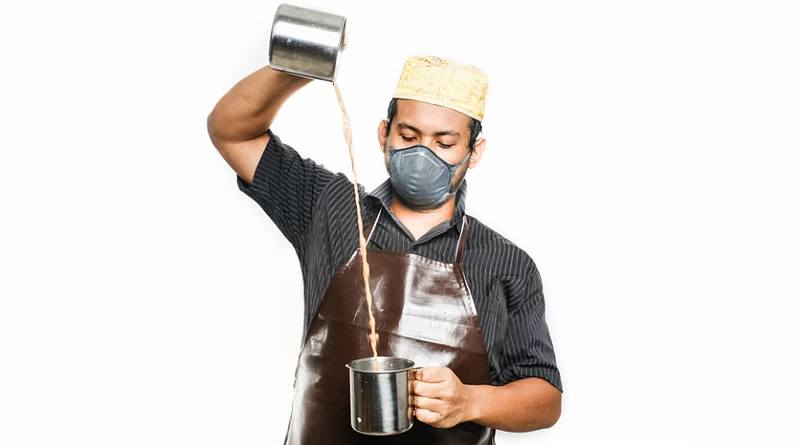

When Indian Muslim immigrants travelled to the Malay peninsula, they set up drink stalls serving masala chai during the 1870s outside rubber plantations to serve workers. Post-World War II, they shifted to tea dust with condensed milk, which is now teh tarik.
London Fog
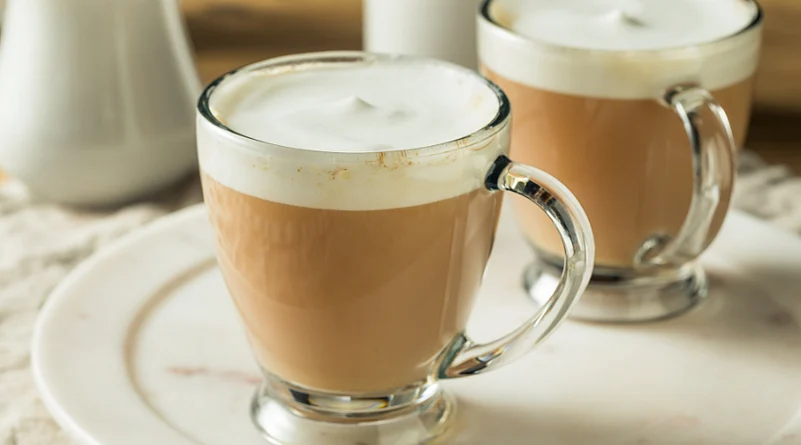
London Fog belongs to Canada, as French fries belong to Belgium. This is a combination of Earl Grey tea, steamed milk, and a sweetener. Sometimes there is a small amount of cream on top, sprinkled with cinnamon, nutmeg, and lavender. To make it, first prepare the Earl Grey tea concentrate by adding boiling water and tea leaves (or a tea bag). Then heat the milk, preferably mix in vanilla syrup, and add the hot milk to the tea.
There is more than one claimant to its origin. One such claim is from Buckwheat Cafe on 4th Avenue in Vancouver. In December 1996, when a regular customer, Mary Loria, was pregnant and could not drink coffee, she asked for an alternative, and this tea was made. Another is from the Island Coffeehouse in Langley, Washington, where a non-profit student-run organization claims to have made it with Peppermint Tea in 2006. Coincidentally, patrons of Starbucks in Calgary, Alberta, have asked for this drink since the winter of 2004, interestingly, the same time when Loria was visiting her family.
Khoudenjal
This is Moroccan spiced tea, made with a spice blend steeped in water. Spices may include cinnamon, cardamom, cloves, galangal, pepper, madder root, and nutmeg. This is best enjoyed during the wintertime as it is known to ward off ailments, and is mainly sold at street stalls, in busy locations across the country.
Also called Moroccan Viagra, it is sold outside mosques and specifically Djmaaa El Fna (the main square) in Marrakech. The use of Galangal in this is significant. This is a close relative of ginger and is probably an Arabic translation of its Chinese name, liang-tiang. Although it is regarded as an aphrodisiac, science refutes the claim; in popular culture, Khoudenjal is claimed to be a natural viagra, albeit a poor one.
Yerba Mate
Across the Atlantic, in South America, yerba mate is made from the holly genus native to the continent. Yerba Mate literally translates to “gourd herb.” This is not exactly tea, but it is consumed as such. Before European colonisation, the indigenous Guarani and Topi communities first cultivated and consumed it. The Jesuits then discovered its commercial potential, and it became popular, even amongst the Spanish Crown.
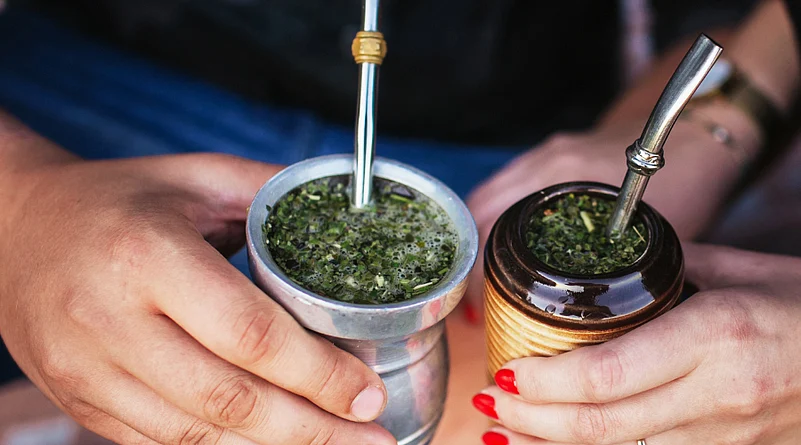
A special ritual is associated with the drinking of yerba mate. It requires a mate or dried gourd, and a bombilla or special straw for drinking that filters the leaves. People sit in a circle, prepare the yerba mate, fill the mate, and put the filtering straw in it. Then everyone takes one sip before passing the gourd around.
Sulaimani Tea
In Arabic, Sulaimani translates to “Man of Peace.” Prophet Muhammad used to consume a beverage called ghava made with dates and black pepper. The drink soon became an Arabian favourite and was later introduced to the Malabar Coast in India by Arab traders. In India, the recipe was adapted to include local spices and to use sugar instead of dates.
The combination of spices and tea offers this tea many health benefits, including supporting digestion, relieving coughs and colds, and providing an instant energy boost. It's the simple recipe: 1 teaspoon of leaves, boiled in water, infused for 3-4 minutes, and sugar or date syrup added to taste, which makes it easy to make yet perfectly enjoyable for your cosy evening.
FAQs
1. What are some unique teas from around the world?
Some lesser-known teas include Japan's Genmaicha, Malaysia's Teh Tarik, Canada's London Fog, Morocco's Khoudenjal, South America's Yerba Mate, and India's Sulaimani tea. Each reflects the culture and traditions of its region.
2. Which tea is known as 'popcorn tea'?
Genmaicha is often called "popcorn tea" because its roasted brown rice kernels pop during the roasting process, giving the tea a distinctive nutty flavour and aroma.
3. Is Yerba Mate the same as tea?
Not exactly. Yerba Mate is made from the leaves of the Ilex paraguariensis plant rather than the tea plant (Camellia sinensis). However, it is prepared and consumed much like tea.
4. Why is Teh Tarik called 'pulled tea'?
5. What is Sulaimani tea made of?