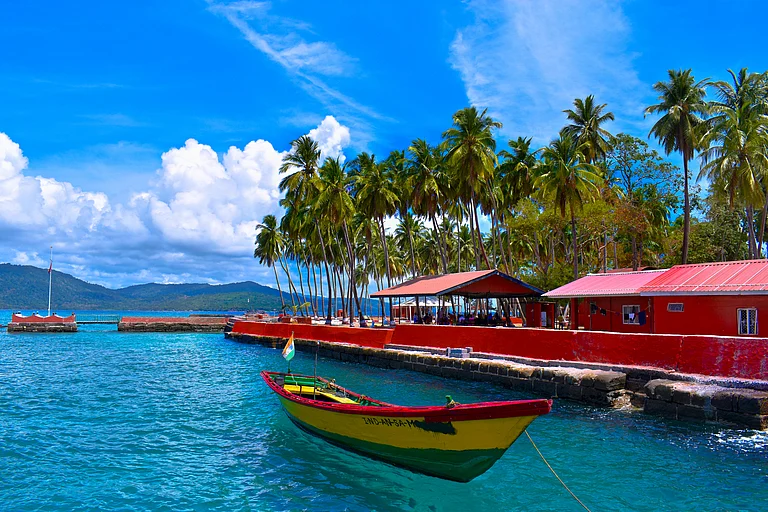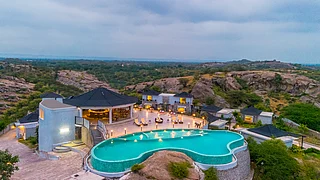


Republic Day isn’t just about parades on Rajpath and televised speeches—it’s also a moment to reconnect with the land that defines us. As the country celebrates its Constitution on January 26, the winter chill around Delhi creates the perfect excuse to escape into India’s protected wilderness. Clear skies, active wildlife, and fewer crowds make late January one of the best times to explore national parks close to the capital. These locations, that range from tiger reserves in Rajasthan to bird sanctuaries teeming with migratory species, provide a peaceful, more grounded approach to mark the long weekend. Think early morning safaris, instead of alarm clocks, forest trails instead of the usual honking of traffic, and the rare luxury of silence.
If you’re longing for a short break that feels meaningful, restorative and close to nature, these five national parks near Delhi are ideal Republic Day getaways. They are easy to travel to, rich in biodiversity and suitable for a leisurely yet relaxing retreat.
Sariska National Park, Rajasthan
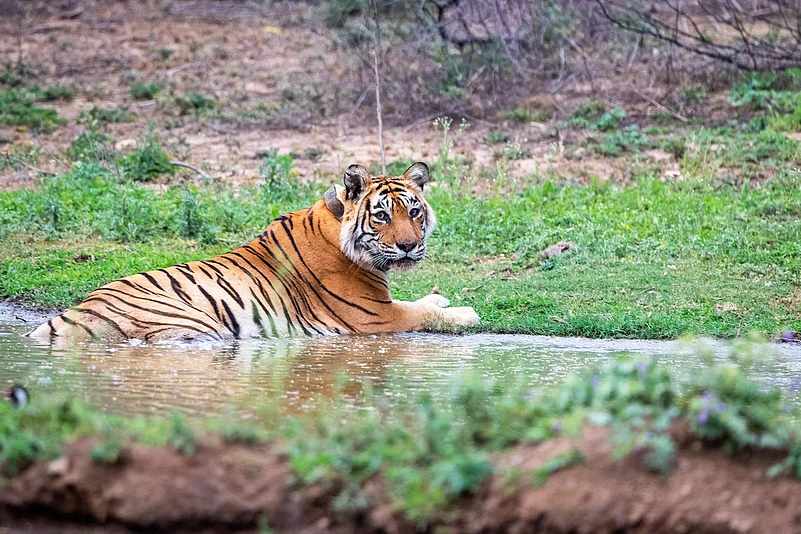

Sariska is a reminder that wilderness often exists where you least expect it. Located in the Aravalli hills, Sariska is a royal hunting ground, the tiger reserve today balances conservation with history; ancient temples, fort ruins, and dry deciduous forests all coexist within its boundaries.
Winter mornings here are crisp and golden, ideal for jeep safaris that reveal sambar deer, nilgai, striped hyenas and if luck is on your side, the elusive Bengal tiger. With kingfishers, partridges, and raptors active across the landscape, the birdlife here is especially rewarding in January. Sariska works beautifully for a Republic Day escape because it's close enough for a short break, yet immersive enough to feel far removed from the hustle and bustle of city life.
Keoladeo Ghana National Park, Rajasthan
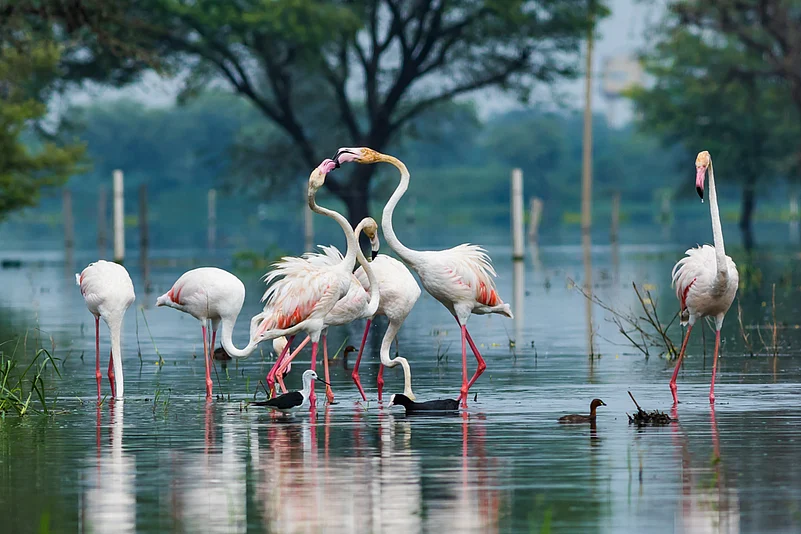
The UNESCO World Heritage Site of Keoladeo Ghana National Park in Bharatpur captures the magic of winter unlike any other place. Transforming into a living aviary between October and February, here thousands of migratory birds arrive from Central Asia and Europe. With cool temperatures, misty mornings, painted storks, and cranes filling the wetlands—Republic Day weekend marks a prime time for travelling here. Exploration here is slow and intimate, unlike typical tiger reserves. This park is ideal for families and first-time wildlife travellers and photographers looking for something gentle yet profound.
Rajaji National Park, Uttarakhand
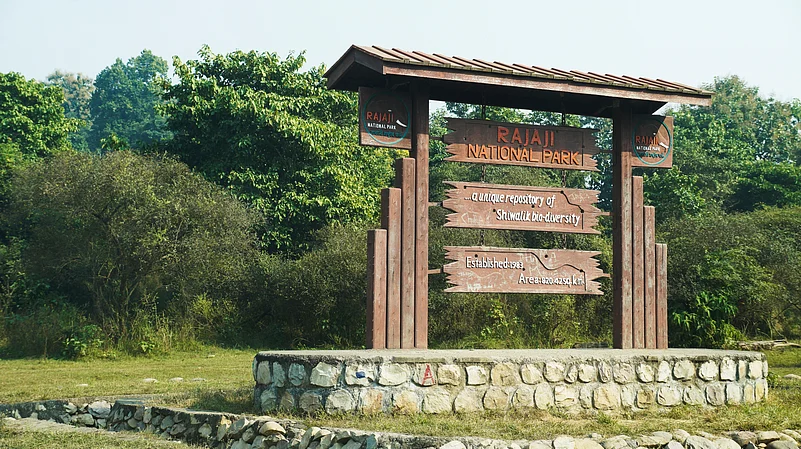
Rajaji doesn’t try to impress you loudly—and that’s exactly its charm. Tucked into the Shivalik foothills, this is a landscape where forests spill into rivers and elephants move through the terrain like they own it (which, honestly, they do). It’s far quieter than Corbett, yet just as rich in wildlife, with leopards, deer, and an impressive variety of birdlife—over 300 species, if you’re keeping count.
January is a lovely time to be here. The days are cool and clear, the light is gentle, and safaris feel unhurried. Wildlife sightings are rewarding without the crowds, and the park still feels raw and unpolished in the best way. What makes Rajaji especially appealing for a Republic Day long weekend is how easily you can pair it with Haridwar or Rishikesh—one moment you’re tracking elephant herds, the next you’re sitting by the Ganga at sunset. It’s a trip that balances nature, spirituality, and slow travel beautifully.
Jim Corbett National Park, Uttarakhand
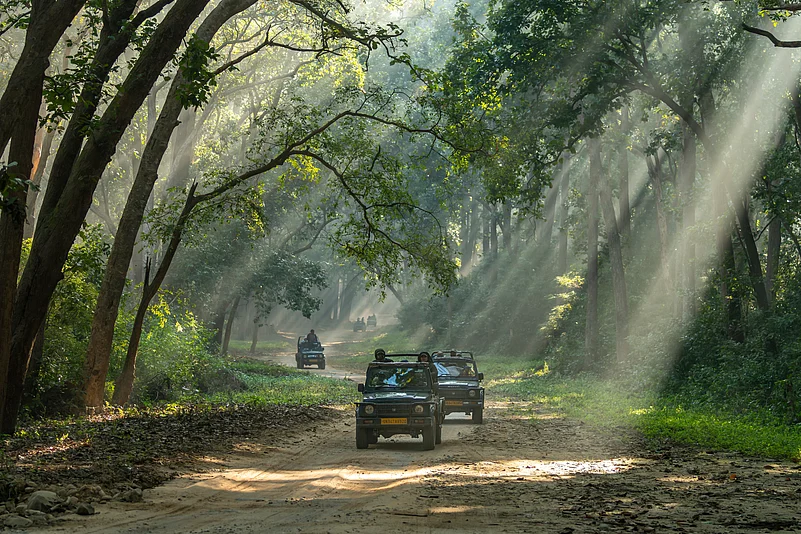
There’s a reason Corbett continues to hold its ground as a classic. As India’s oldest national park, it carries a certain gravitas—but it’s the landscape that really draws you in. Winter brings clear skies, crisp mornings, and wildlife that’s far more active than in the hotter months. By late January, most zones are open, and areas like Dhikala and Jhirna offer some of the best chances to spot tigers, elephants, and even gharials basking along the riverbanks.
What sets Corbett apart is its sheer scale. You don’t just visit it—you sink into it. Early morning drives feel cinematic, with mist rising off the Ramganga and alarm calls echoing through the sal forests. For a Republic Day break, Corbett works well if you want a sense of drama, variety, and history all rolled into one immersive experience.
Ranthambore National Park, Rajasthan
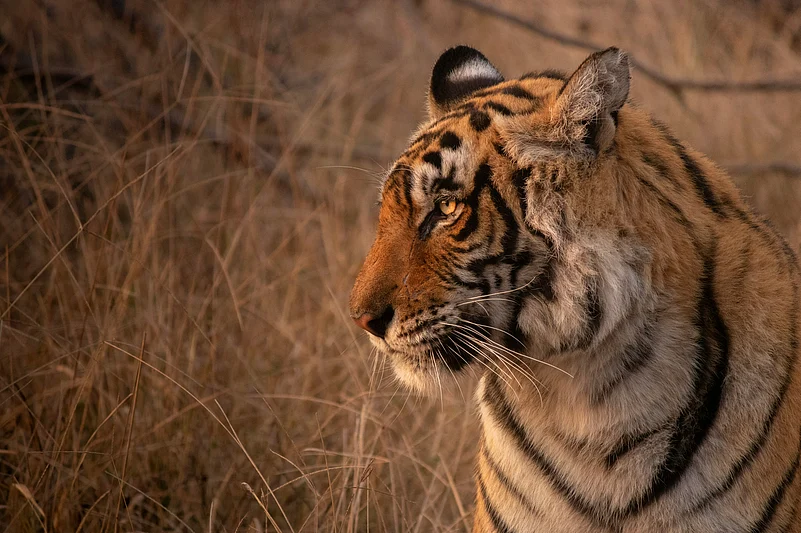
Ranthambore is bold, dramatic, and unapologetically popular—and once you’re there, it’s easy to see why. This former royal hunting ground blends wildlife with striking history, where ancient ruins and lakes sit quietly in tiger territory. Winter is one of the best times to visit, with thinner vegetation and cooler temperatures making animal sightings more frequent and photography especially rewarding.
Tigers are the main draw, of course, but Ranthambore offers more than just big-cat drama. You’ll spot marsh crocodiles sunning themselves near water bodies, an impressive range of birdlife, and the imposing Ranthambore Fort watching over it all from above. A Republic Day weekend here feels festive yet grounded—busy, yes, but still deeply satisfying if you plan your safaris well.
FAQs
1. How far are these national parks from Delhi?
Most are within 200–400 km, making them ideal for a 2–3 day Republic Day long weekend.
2. Which parks are best for tiger sightings in winter?
Ranthambore, Sariska, Corbett, and Rajaji offer good chances during January due to clearer visibility.
3. Do I need to book safaris in advance?
Yes—jeep and canter safaris often sell out during long weekends, so pre-booking is recommended.
4. What’s the weather like in late January?
Cold mornings, mild afternoons—perfect for sightings. Carry layers for early safaris.
5. Can families with children visit these parks?
Yes. Most parks are safe, well-marked, and have accommodation suitable for families and first-time wildlife travellers.