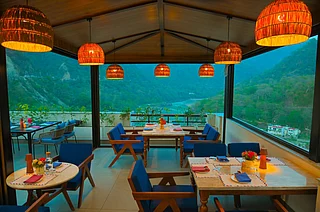


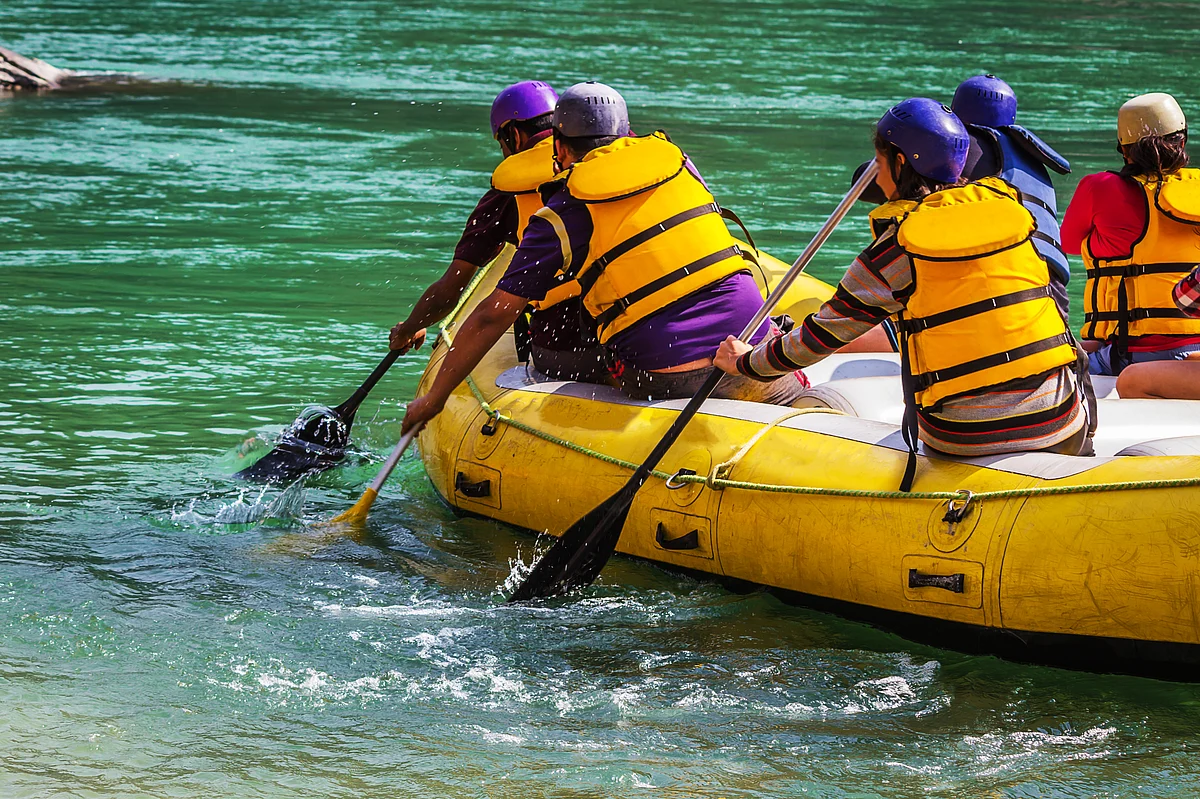
For years, Rishikesh has been known for its spiritual calm and serenity, a Himalayan town where people arrive seeking stillness, balance, and a deeper connection with themselves. Over time, however, that identity began to evolve. Today, when most travellers think of Rishikesh, they don’t just imagine ashrams or meditation halls. They picture rafts cutting through rapids, ropes swinging over river gorges, and cliff edges that test courage. The city in Uttarakhand, once defined by silence, is now just as famous for adrenaline.
This shift is reflected clearly in the numbers. According to a study published in the International Journal for Multidisciplinary Research (IJFMR), tourist arrivals in Rishikesh quadrupled between 2000 and 2019. The town attracted just over two lakh visitors in 2000; by 2019, that number had crossed eight lakhs, driven largely by travellers seeking outdoor adventure alongside spiritual experiences.
As tourist interest surged, the nature of what people came for also changed. While spiritual and wellness tourism continued to grow, with registered yoga schools increasing from 42 in 2005 to 198 in 2019, the adventure segment experienced significant expansion. Rafting permits increased from 25,000 in 2005 to a projected 3.56 lakh in 2024, and trekking packages booked through online platforms shot up 250 per cent between 2015 and 2019. TripAdvisor’s rankings also captured this shift, placing Rishikesh 12th among Asia’s adventure destinations in 2022, a notable climb from 38th in 2015. These activities weren’t just add-ons; they became central to Rishikesh’s appeal.
What seems like a sudden reinvention was, in fact, a long, organic evolution shaped by the town’s geography, a growing appetite for nature-based experiences, and a digital ecosystem that made Rishikesh’s adventures visible to the world.
Why Is Rishikesh Called The Adventure Capital Of India?
A Landscape Made For Thrill
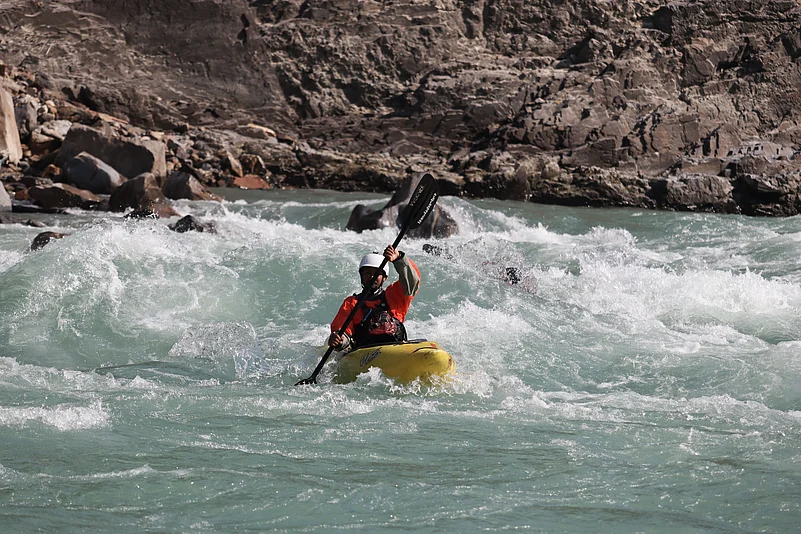

Rishikesh is situated precisely where the plains give way to the Himalayas. The town lies at an elevation of around 340 metres, with surrounding ridges climbing sharply to 1,200–1,500 metres, forming steep cliffs, dense sal and pine forests, and undulating foothills ideal for trekking and rock-based activities. At this point, the Ganga is still a young, fast-flowing mountain river. In the upper segment from Gaumukh to Rishikesh, the river flows on a steep bed with an approximate slope of 1 in 70 (roughly 14.3 metres per kilometre), a rate that produces consistent Grade II to Grade IV rapids along the popular Brahmpuri–Rishikesh, Shivpuri–Rishikesh, and Kaudiyala stretches.
This unique geography means Rishikesh does not rely on artificial adventure infrastructure. There are over 45 kilometres of commercially navigable white-water routes, nearly 120 kilometres of marked trekking trails in the neighbouring Rajaji landscape, and multiple cliff faces used for rappelling, giant swinging, and climbing. The forests around Rishikesh, part of the larger 820 sq km Rajaji Tiger Reserve ecosystem, also provide ideal settings for emerging activities such as mountain biking and guided wildlife hikes.
All of this suggests that the region’s natural topography, combined with modern adventure infrastructure and rising demand, has positioned Rishikesh as one of India’s most intensively used outdoor-recreation zones.
A Growing Culture Of Adventure
In addition to the landscape, Rishikesh’s rise as an adventure powerhouse is about the people who learned to read it, respect it, and introduce it to travellers safely. The town’s earliest rafting pioneers in the 1990s began by mapping routes, building safety protocols, and training local youth in river navigation. Over time, this laid the foundation for a thriving professional ecosystem.
Many of the rafting companies that run today now include river guides who quite literally grew up on the Ganga’s banks. These guides understand the river’s moods across seasons, the nuances of each rapid, and the safety rhythms required to navigate them responsibly.
Training standards have also strengthened significantly. Most established operators follow internationally recognised safety practices, ensuring that guides are well-versed in swift-water techniques, emergency preparedness, and basic wilderness response. Rafts, helmets, life jackets, and paddles are regularly upgraded, especially before the peak rafting season. Pre-departure briefings, rescue drills, and mandatory safety gear were shaped by years of learning, community exchange, and the mountain culture of respecting natural forces.
This combination of lived river knowledge, evolving safety awareness, and a community committed to professionalism is what has earned Rishikesh its reputation.
Beyond Rafting: A Full Adventure Spectrum
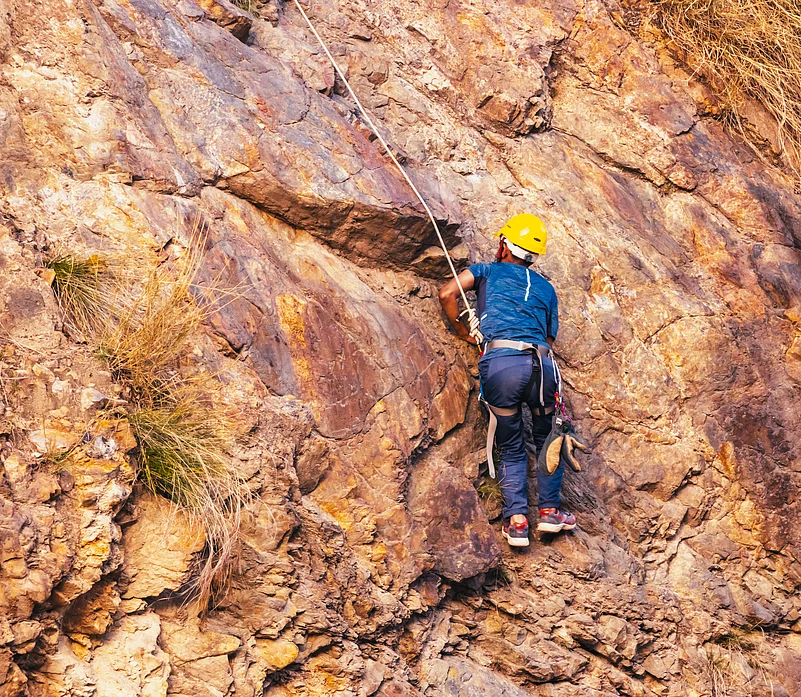
While rafting dominates the narrative, Rishikesh’s adventure appeal goes far beyond the water. The region’s terrain supports a wide range of activities that attract everyone from casual tourists to serious outdoor enthusiasts.
Bungee Jumping And Airborne Thrills
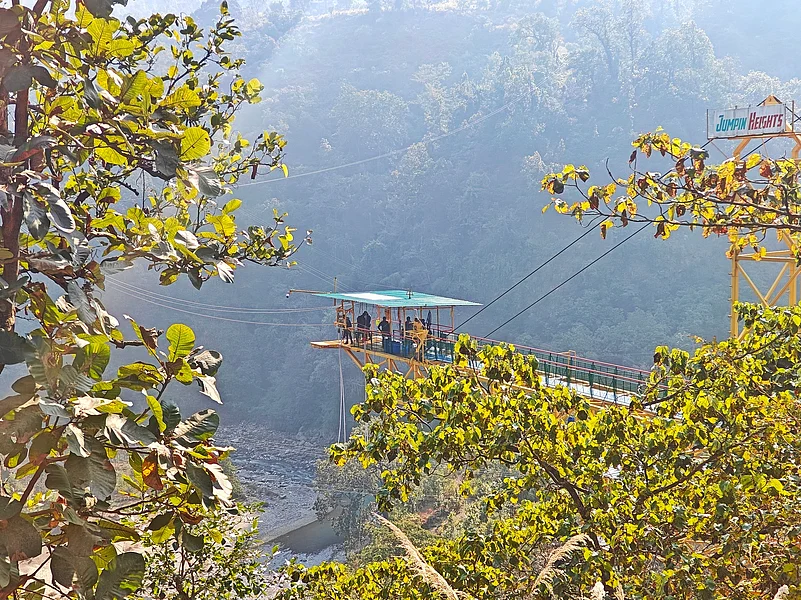
Rishikesh became home to India’s first fixed-platform bungee jump, set amidst secluded forest valleys. Today, bungee jumping, the giant swing, and long span ziplining collectively draw in thousands of adventure seekers annually. Jumpin Heights, an adventure tourism company, claims to have operated over 1.5 lakh jumps in Rishikesh over the last thirteen years.
Trekking And Trail Experiences
The rise of digital platforms has also boosted trekking demand. Between 2015 and 2019, online trekking bookings are reported to have increased, with trails such as Neer Garh, Phool Chatti, Patna Waterfall, and the longer Kunjapuri Sunrise route gaining significant interest.
Mountain Biking And Wilderness Exploration
The network of forest trails near Rajaji Tiger Reserve has turned Rishikesh into a hub for mountain biking. Tourism board analytics reveal a 38 per cent increase in MTB bookings in 2023–24, particularly among urban millennials seeking short, high-impact adventures.
Adventure Meets Spirituality: A Dual Identity
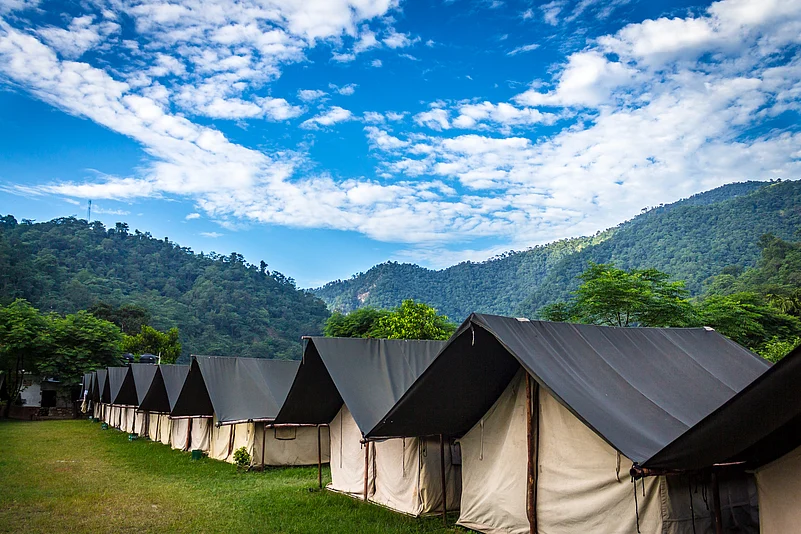
Perhaps the most fascinating aspect of Rishikesh’s transformation is that its new adventure-driven persona did not erase its spiritual heritage. Instead, the two co-exist, sometimes in surprising harmony.
A traveller might begin the day with a river-rafting expedition and end it with the evening Ganga Aarti. Yoga retreats now often pair mindfulness sessions with guided hikes, rafting trips, and forest excursions. This dual identity is central to Rishikesh’s charm, offering both the stillness of tradition and the exhilaration of the outdoors.
How To Get There
By Air: The nearest airport to Rishikesh is Jolly Grant Airport (Dehradun), located about 20–25 km away. It operates regular flights from major Indian cities including Delhi, Mumbai, Bengaluru, and Hyderabad. From the airport, taxis and app-based cabs are available and typically take 35–45 minutes to reach Rishikesh.
By Train: Rishikesh has a small railway station, but most travellers prefer arriving via Haridwar Junction, one of the major railheads in north India. Haridwar is roughly 25 km from Rishikesh and well connected to Delhi, Kolkata, Mumbai, Jaipur, and Varanasi.
By Road: Rishikesh is well connected by highways and offers a smooth drive from nearby cities.
Best Time To Visit
Adventure activities: September to June (rafting is usually paused during the monsoon for safety).
Spiritual and wellness travel: Year-round, with October to March being most pleasant.
FAQs
1. Why is Rishikesh called the Adventure Capital of India?
Due to its unique Himalayan landscape, 45 km of rafting routes, forest trails, cliffs, and a thriving professional adventure industry, Rishikesh boasts the highest concentration of outdoor activities in India.
2. Is Rishikesh only famous for rafting?
No. Besides rafting, it offers bungee jumping, giant swing, ziplining, trekking, mountain biking, cliff jumping, and wildlife trails near Rajaji Tiger Reserve.
3. What is the best time for adventure sports in Rishikesh?
September to June is ideal. Rafting is closed during monsoon for safety.
4. Is Rishikesh safe for first-time adventure travellers?
Yes, especially with licensed operators who adhere to strict international safety standards, employ trained river guides, and utilise regulated equipment.
5. How do I reach Rishikesh for an adventure trip?
Fly to Dehradun (Jolly Grant Airport), or take a train to Haridwar. It is also well-connected by road from Delhi and nearby cities.