You’ve planned the trip, booked the flights, and maybe even left space in your suitcase for a bottle or two—a Goan gin, a duty-free single malt, perhaps something local you don’t get back home. And then, just as you’re about to zip up your bag, the doubt creeps in: Can I actually carry this on a flight?
It’s a fair question. Alcohol rules in aviation are a patchwork of DGCA guidelines, airline policies, airport security protocols, and—in India—state laws that don’t always agree with one another. The good news is that carrying alcohol on flights is permitted in many situations. The less comforting news? The fine print matters. Here’s a clear, no-nonsense guide to flying with alcohol in India and beyond, so the only thing you unpack at your destination is relief.
Domestic Flight Rules
If you’re flying within India, the Directorate General of Civil Aviation allows passengers to carry alcohol in checked baggage, with conditions. The headline number is five litres per passenger. This allowance applies to alcoholic beverages with an alcohol content between 24 per cent and 70 per cent ABV, which comfortably includes most spirits and wines. Anything stronger than 70 per cent is considered a fire hazard and is strictly prohibited on board, checked or otherwise.
What often impedes travellers isn’t the quantity, but the condition of the bottles. Alcohol must be sealed, unopened, and in original retail packaging. Partially consumed bottles are not allowed, even if they’re well wrapped. Packaging also needs to be secure; if your suitcase leaks during handling, airline staff can, and often do, stop you at check-in or boarding until the issue is resolved.
There’s another wrinkle that’s easy to forget while packing: state laws. States such as Gujarat and Bihar have strict restrictions on alcohol possession and transport. Even if your airline allows you to fly with alcohol, landing in a dry state with liquor in your bag can land you in trouble. Airline clearance does not override local law, and this is one rule no amount of polite arguing will fix.
Cabin Bag Confusion
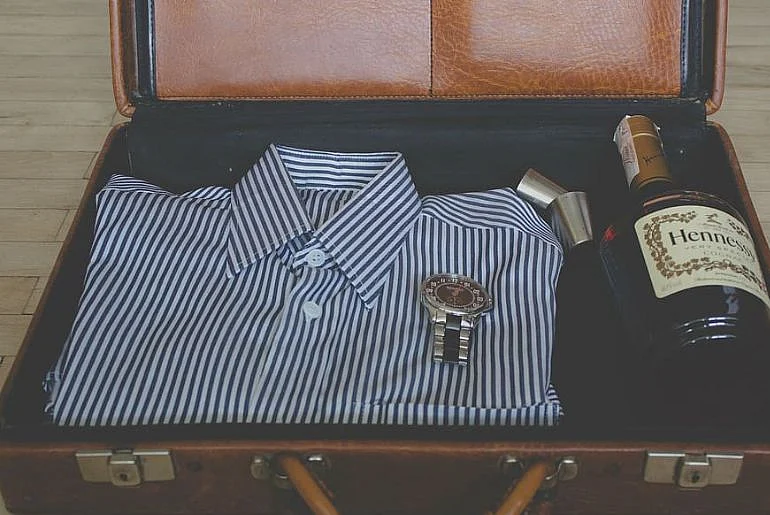

If checked baggage rules feel straightforward, cabin baggage is where certainty goes to die. The DGCA actively discourages carrying alcohol in hand luggage, and individual airlines interpret this guidance differently. Across the board, one rule is absolute: passengers are not permitted to consume their own alcohol onboard, regardless of where or how it was purchased.
Air India takes the strictest stance, prohibiting alcohol entirely in cabin baggage on domestic flights. IndiGo and Akasa Air allow limited quantities, up to one litre, but only if the alcohol is purchased after security screening, typically from the airport’s security hold or duty-free outlets, and remains in original, sealed packaging. SpiceJet permits alcohol in the cabin only when it is packed in approved Security Tamper Evident Bags, with specific size and sealing requirements.
In practice, cabin baggage alcohol is scrutinised far more closely than checked baggage. Security staff may ask to see receipts, inspect packaging, or deny carriage if anything appears compromised. When in doubt, checking the bottle in is almost always the less stressful option.
International Travel Rules
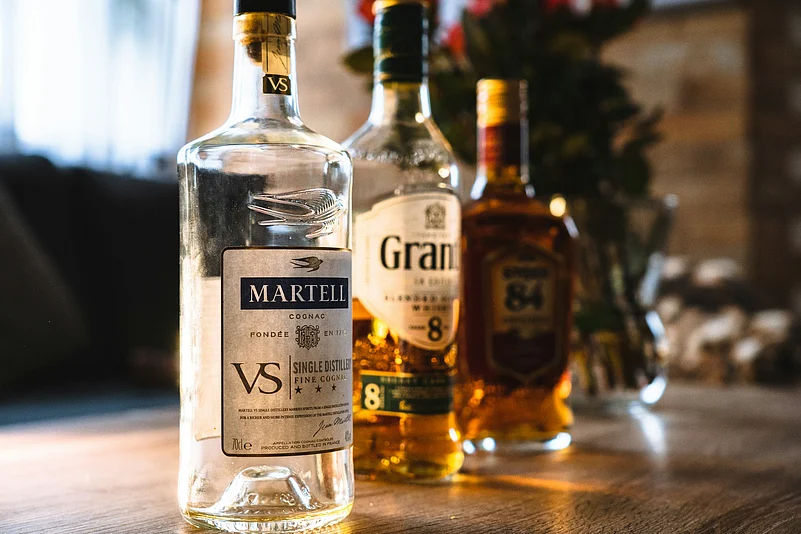
Once international travel enters the picture, the rules expand—and tighten. Globally, the familiar 100 ml liquid restriction applies to carry-on baggage, which means only miniature bottles are allowed in cabin bags unless the alcohol is purchased duty-free after clearing security. These duty-free purchases must be sealed in tamper-evident bags, with receipts retained, especially if you have connecting flights.
For checked baggage on international flights, the norms mirror Indian regulations closely. Most countries, including the US, allow up to five litres per passenger for alcohol between 24 per cent and 70 per cent ABV. Anything above that threshold is banned outright. As in India, unopened retail packaging is mandatory.
Connecting flights are where travellers most often lose their carefully chosen bottles. Duty-free alcohol bought overseas is permitted on board, but if you have a domestic connection, particularly after re-entering security, the bottles must remain sealed in their tamper-proof packaging. Opening the bag, even briefly, can lead to confiscation at the next checkpoint.
Across jurisdictions, one rule remains universal: drinking your own alcohol onboard is prohibited. Aviation authorities treat this seriously, with fines and penalties for non-compliance. If you want a drink at 30,000 feet, it has to be served by the airline crew.
Flying with alcohol doesn’t need to feel like a test you forgot to study for. The rules are firm but manageable, and they reward preparation. Know the limits, respect the packaging requirements, factor in state and international laws, and pack with care. Do that, and your bottles should land exactly where they belong—safely home, not surrendered at security.
FAQs
1. How much alcohol can you carry on a domestic flight in India?
Passengers can carry up to five litres of alcohol in checked baggage, provided it is sealed and between 24–70% ABV.
2. Is alcohol allowed in hand luggage on domestic flights?
Generally no. Some airlines allow limited quantities only if purchased after security screening and kept sealed.
3. Can you carry opened or partially consumed alcohol bottles on flights?
No. Only unopened bottles in original retail packaging are permitted.
4. Are there restrictions on alcohol strength when flying?
Yes. Alcohol stronger than 70 per cent ABV is strictly prohibited on flights.
5. Do state laws affect carrying alcohol on domestic flights in India?
Yes. States with alcohol restrictions may penalise possession even if airlines allow carriage.