Imagine checking into a hotel where the walls are made of ice, the furniture is sculpted from frozen water, and even the drinking glasses at the bar are carved from the same material. Your bed is built on a block of ice, the temperature inside stays below freezing, and the Northern Lights might make an appearance outside. Then, a few months later, the hotel itself begins to melt away.
Icehotel, Sweden: The Extraordinary Arctic Hotel That Melts And Is Rebuilt Every Winter
In Swedish Lapland, Icehotel transforms frozen water from the Torne River into an extraordinary collection of suites and ice-carved interiors each winter. When spring arrives, the building melts, only to inspire a new creation the following season

Advertisement
Welcome to Icehotel, one of Sweden's most extraordinary places to stay. Located in Jukkasjärvi, a small village in Swedish Lapland, around 200 km north of the Arctic Circle, the hotel has turned a seasonal natural phenomenon into an internationally recognised design and travel experience. Its defining feature is also its greatest distinction: the winter structure is temporary, and every edition brings a new interpretation of ice, art, and Arctic life.
From An Accidental Overnight Stay to An Arctic Icon
The story began in 1989, when entrepreneur Yngve Bergqvist invited artists to Jukkasjärvi for a workshop inspired by Japanese ice sculpting. The resulting ice gallery, called ARTic Hall, attracted visitors keen to see the unusual creations. When a group of travellers found themselves without accommodation one night, Bergqvist suggested they sleep inside the gallery, equipped with reindeer hides and sleeping bags. Their enthusiastic response sparked the idea for the world's first ice hotel.
Advertisement
There is no single architect responsible for the hotel as it exists today. Instead, its architecture is a collective creation. Every year, artists, architects, designers and engineers are invited to submit proposals for rooms and suites. A select group is chosen to translate those ideas into ice and snow, working alongside construction specialists and lighting designers.
The building process starts with ice harvested from the Torne River in spring and stored through summer. When winter arrives, the team constructs the hotel using blocks of ice and a material known as snice, a mixture of snow and ice. Moulds help shape the structure, while arched construction techniques give its corridors and rooms stability. Artists then carve the interiors, transforming the frozen surfaces into elaborate sculptures and immersive installations. The entire process takes around six weeks.

Building the hotel Official Website/icehotel.com
What makes every edition different is the freedom of the artists. One suite might resemble a fantastical forest, another an abstract sculpture, while others play with geometry, light, and the natural transparency of ice. The lighting is integral to the experience, illuminating the sculptures and revealing details that might otherwise go unnoticed.
Advertisement
And what happens when spring arrives? The seasonal hotel melts, and its ice returns to the Torne River. The artworks disappear, too, making room for an entirely new collection the following winter. It is a cycle that places nature at the centre of the hotel's identity rather than treating it as a backdrop.
Sleeping On Ice, Dining On Ice, And Exploring Lapland
The most extraordinary accommodation is undoubtedly the ice suite. Temperatures inside the frozen rooms are maintained at approximately -5 degrees Celsius, so guests sleep in thermal sleeping bags on beds built with ice and topped with insulating mattresses and reindeer hides. Warm clothing is essential, but the hotel provides guidance and equipment for the overnight experience. Bathrooms, showers, saunas, and luggage storage are available in adjoining heated facilities.

A bedroom inside ICEHOTEL Official Website/icehotel.com
Not ready to spend a night in sub-zero temperatures? The hotel also has conventional heated rooms and cabins. Another option is ICEHOTEL 365, a permanent ice experience that opened in 2016. Powered in part by solar energy, it keeps its ice suites and art installations frozen through the summer, allowing visitors to experience ice art even when the midnight sun illuminates the Arctic landscape.
Advertisement
Food is another reason to linger. The ICEHOTEL Restaurant serves seasonal dishes built around ingredients sourced from northern Sweden. Its four-course ice menu takes the theme further, with selected dishes presented on plates carved from Torne River ice. At The Veranda, a chef's table experience draws inspiration from the eight Sámi seasons, while the Old Homestead serves rustic fare in a traditional village setting. The ICEBAR BY ICEHOTEL completes the experience with cocktails and other drinks served in glasses made from river ice.
Beyond the hotel, Swedish Lapland is an adventure in its own right. Winter visitors can book dog-sledding trips, snowmobile safaris, cross-country skiing and Northern Lights excursions. Ice-sculpting workshops provide an opportunity to work with the very material that makes the hotel possible. During summer, the Torne River becomes a setting for rafting, fishing and paddling, while hiking and cycling reveal a different side of the Arctic wilderness.
Advertisement
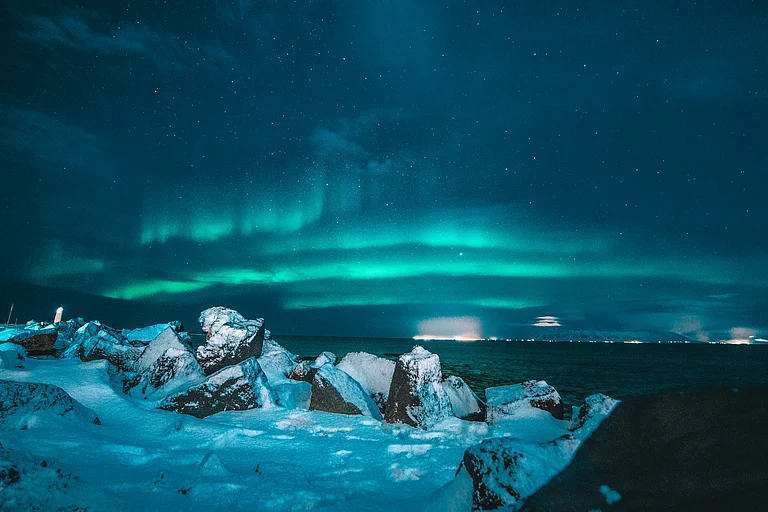
The nearby village of Jukkasjärvi is worth exploring, too. Its historic church and connections to Sámi culture offer a glimpse of local life beyond the hotel. The destination's seasonal extremes are part of the appeal: winter brings long nights and opportunities to see the aurora borealis, while summer brings the midnight sun.

Dog sledding is one of the classic Arctic adventures around ICEHOTEL in Swedish Lapland Official Website/icehotel.com
Perhaps the most compelling aspect of ICEHOTEL is that it makes no attempt to defeat nature. Its architecture is designed to disappear. Every winter, the Torne River supplies the material for a new creative experiment; every spring, the structure returns to the water. Few hotels make the fleeting nature of a stay quite so literal.
The Information
Location: Jukkasjärvi, Swedish Lapland, approximately 200 km north of the Arctic Circle and around 17 km from Kiruna.
Best time to visit: December to April for the seasonal ice hotel, winter activities and potential Northern Lights sightings. ICEHOTEL 365 provides an ice-art experience throughout the year.
Advertisement
Accommodation: Ice rooms and individually designed art suites, year-round frozen suites, heated hotel rooms and cabins.
Dining: ICEHOTEL Restaurant, The Veranda, Old Homestead and ICEBAR BY ICEHOTEL. Seasonal menus feature regional ingredients and Arctic-inspired cuisine.
Things to do: Ice sculpting, dog sledding, snowmobile safaris, Northern Lights excursions, rafting, fishing, hiking and cycling, depending on the season.
How to get there: Fly to Kiruna Airport, then travel by road to Jukkasjärvi. Transfers can be arranged through the hotel or local operators.
Tariff and reservations: Rates vary by season, room category and package. Check current rates and availability directly with the hotel.
Website: icehotel.com
FAQs
1. Where is Icehotel in Sweden located?
Icehotel is in Jukkasjärvi, a village in Swedish Lapland approximately 200 km north of the Arctic Circle and around 17 km from Kiruna. Visitors can fly to Kiruna Airport and continue by road.
2. Why does Icehotel melt and get rebuilt every winter?
The seasonal hotel is constructed using ice harvested from the Torne River and a mixture of snow and ice known as snice. As temperatures rise in spring, the structure melts and its water returns to the river. Artists and designers create a new collection of rooms and installations for the next winter.
Advertisement
3. What is it like to sleep inside Icehotel?
Ice rooms and art suites are maintained at approximately -5°C. Guests sleep in thermal sleeping bags on beds made from ice, with insulating mattresses and reindeer hides. Heated facilities nearby provide bathrooms, showers, saunas and luggage storage.
4. Can you visit Icehotel in summer?
Yes. ICEHOTEL 365 is a permanent, year-round ice-art experience that uses refrigeration, partly powered by solar energy, to keep its ice suites and installations frozen during summer. Heated accommodation is also available.
5. What activities can you do near Icehotel?
Depending on the season, visitors can try dog sledding, snowmobile safaris, cross-country skiing, Northern Lights excursions and ice-sculpting workshops. Summer activities include rafting, fishing, paddling, hiking and cycling around Swedish Lapland.
Published At: