Spiti Valley is one of those places that looks stunning no matter when you visit. But unlike many other mountain destinations, every season here offers a completely different experience. A summer road trip through open mountain passes is nothing like visiting in winter, when the valley is buried under snow and temperatures fall well below freezing.
Best Time To Visit Spiti Valley In 2026: A Season-Wise Guide To Planning Your Trip
Discover the best time to visit Spiti Valley with this season-wise guide covering weather, road conditions, snowfall, trekking, the Spiti circuit and travel tips

Advertisement
So, when is the best time to visit Spiti Valley? The answer depends on what you're looking for. Whether you want to drive the complete Spiti circuit, experience snowfall, trek through remote villages or simply enjoy clear blue skies, choosing the right season can make all the difference.
Here's a simple guide to help you decide.
June To September Is The Best Time For Most Travellers
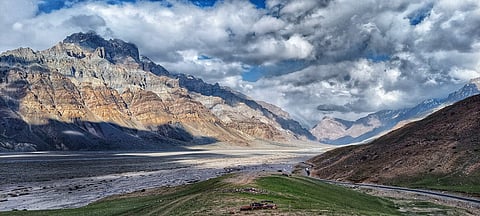
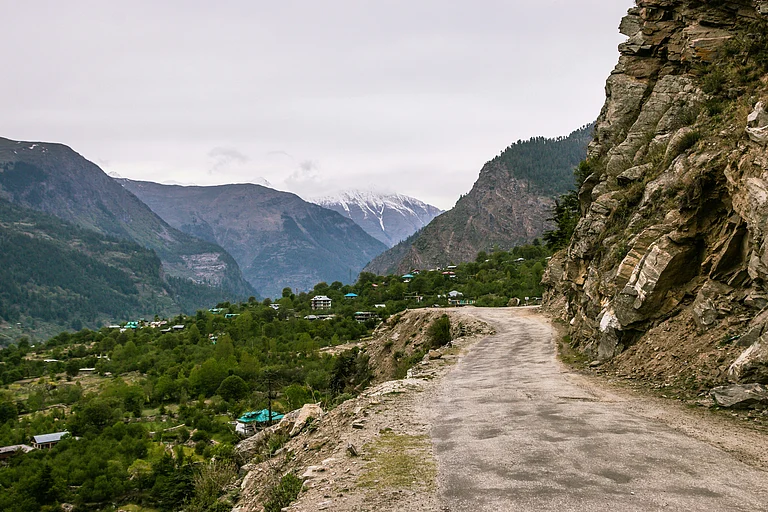
The first or last view of the Spiti Valley, depending upon your approach Image Credit: Sreedeep Bhattacharya
If it's your first trip to Spiti, this is the season to choose. Summer is when the valley is at its most accessible. Days are pleasant, with temperatures between 15°C and 25°C, while nights remain cool at around 5°C to 10°C. Unlike most parts of North India, Spiti receives very little rainfall because it lies in a rain-shadow region. So even during the monsoon months, you can usually expect dry weather and bright skies.
This is also when both major routes into Spiti are open. You can enter via Shimla and return through Manali, completing the famous Spiti circuit. The roads to Kunzum Pass and Chandratal Lake are also accessible during this time.
Advertisement
Most travellers visit between June and September for trekking, camping, village walks, monastery visits and road trips. Accommodation options are fully operational, cafes are open, and public transport runs more frequently as well.
If you're looking for the easiest and most comfortable time to explore Spiti, this is undoubtedly the best season.
October And November Bring Stunning Autumn Colours
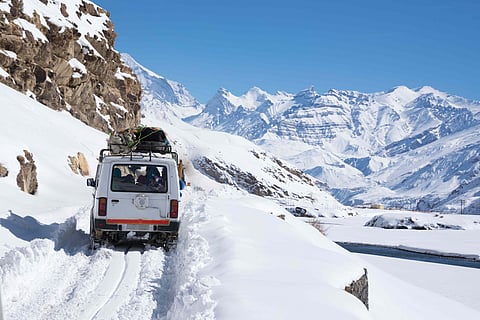
Driving through the snow-laden mountain roads of Spiti Valley in winter Shutterstock
As summer ends, the crowds begin to thin out and Spiti becomes much quieter. The mountains take on shades of gold and brown, making this one of the most scenic times to visit. If you enjoy peaceful landscapes and fewer tourists, autumn can be incredibly rewarding.
However, temperatures begin to fall quickly. Daytime temperatures hover around 10°C, while nights often dip below freezing.
The Shimla route generally remains open during this period, but the Manali road usually closes by late October after the first heavy snowfall. Weather conditions can also change suddenly, so it's important to keep some flexibility in your travel plans.
Advertisement
Warm clothing becomes essential, especially if you're planning early morning sightseeing or spending time outdoors after sunset.
Winter Is Beautiful But Extremely Challenging
From December to February, Spiti transforms into a snow-covered wonderland. Temperatures can fall anywhere between -10°C and -30°C, rivers freeze, and many villages remain cut off after heavy snowfall. Water pipelines freeze, making running water a luxury in many places, while several homestays operate with dry toilets and basic facilities.
The Manali route remains completely closed during winter, leaving Shimla as the only way to reach the valley. Even then, road conditions can be difficult, and a 4x4 vehicle is usually necessary.
This season is best suited for experienced travellers looking for a completely different side of Spiti. Many wildlife enthusiasts also visit during winter in the hope of spotting the elusive snow leopard. But while the snowy landscapes are breathtaking, this is certainly not the easiest time to visit.
Advertisement
Spring Is Quiet But Unpredictable
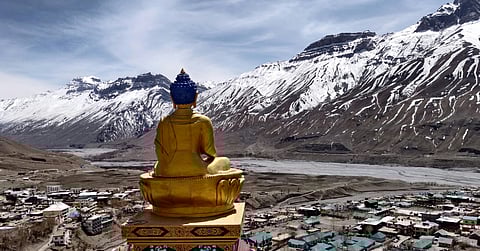
Kaza, Spiti Valley Vivek M/Unsplash
March to May marks the transition from winter to summer. Snow slowly begins to melt, temperatures improve slightly and the valley starts coming back to life. Daytime temperatures can reach around 15°C, although nights remain cold and often fall below freezing.
Road conditions, however, remain uncertain. The Manali route stays closed, and even the Shimla highway can experience temporary closures because of landslides caused by melting snow.
On the bright side, accommodation prices are usually lower, and there are far fewer tourists around.
If you're planning a spring visit, keep a couple of extra days in your itinerary in case weather conditions delay your journey.
Plan Your Route Carefully
If you're driving to Spiti, the route you choose is just as important as the season. The recommended route is to enter through Shimla and exit via Manali. This gradual climb allows your body to adjust to the increasing altitude and significantly reduces the chances of Acute Mountain Sickness (AMS).
Advertisement
A typical circuit looks like this:
Delhi or Chandigarh → Shimla → Sarahan → Chitkul → Kalpa → Nako → Tabo → Kaza → Kunzum Pass → Chandratal → Manali
Kaza serves as the main base for most travellers. From here, you can take day trips to Key Monastery, Hikkim, Komic, Langza, Chicham Bridge and Pin Valley.
Keep A Few Practical Things In Mind
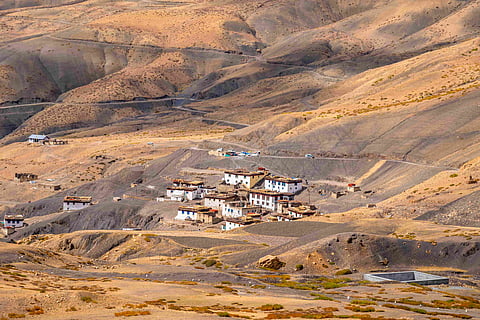
The Hikkim village is home to the world's highest post office Shutterstock
Spiti's remote location means facilities are still limited compared to other tourist destinations. Here are a few things to keep in mind if you're planning a trip to Spiti:
Carry enough cash before entering the valley, as ATMs in Kaza frequently run out of money. While digital payments are becoming more common, they shouldn't be your only payment option.
Mobile connectivity is also patchy. BSNL has the widest coverage, while Jio postpaid connections generally work in Kaza. Once you head towards villages like Hikkim, Langza or Komic, don't expect reliable network coverage.
Advertisement
If you're planning to drive, a high ground-clearance vehicle is always a better choice, especially if you're travelling through the Manali route where roads can be rough and river crossings are common.
Indian travellers don't require an Inner Line Permit for the regular Spiti circuit, but they must complete the mandatory online e-Aagman registration before entering the valley and register their photo ID at the Sumdo checkpost. Foreign nationals need a Protected Area Permit for certain stretches near the Indo-Tibet border.
So, When Should You Visit Spiti Valley?
For most travellers, June to September remains the best time to visit Spiti Valley. The weather is pleasant, roads are fully open, accommodation options are plentiful and almost every major attraction is accessible.
If you enjoy quieter destinations and don't mind colder temperatures, October and early November offer beautiful landscapes with fewer crowds.
Winter is best reserved for experienced travellers seeking adventure, while spring suits those who don't mind unpredictable weather in exchange for peaceful surroundings.
Advertisement
No matter when you go, Spiti isn't a destination to rush through. Slow down, spend time in its villages, talk to the locals, visit its ancient monasteries and simply soak in the silence. That's when the valley truly reveals its magic.
FAQs
1. What is the best time to visit Spiti Valley?
For most travellers, June to September is the best time to visit Spiti Valley. The weather is pleasant, roads are open and major attractions are easily accessible.
2. Can I visit Spiti Valley in winter?
Yes. Spiti Valley is accessible during winter via the Shimla route, but temperatures can drop to -30°C, roads may be blocked by snow and travel conditions are challenging.
3. When does the Manali to Spiti road open?
The Manali–Kaza route, including Kunzum Pass, usually opens between June and October, depending on snowfall and road clearance.
4. Is the Spiti circuit better via Shimla or Manali?
The recommended route is to enter via Shimla and exit via Manali. This gradual ascent helps travellers acclimatise better and reduces the risk of Acute Mountain Sickness (AMS).
Advertisement
5. Do I need a permit to visit Spiti Valley?
Indian citizens do not require an Inner Line Permit for the regular Spiti circuit but must complete the mandatory online e-Aagman registration before entering the valley and register at the Sumdo checkpost. Foreign nationals require a Protected Area Permit for certain border areas.
Published At: