Noctourism is set to define global travel in 2025 as more travellers seek destinations where darkness becomes its own spectacle. The Northern Lights remain the most coveted night-sky experience, and advances in forecasting, better flight connectivity, and thoughtfully designed viewing infrastructure have made aurora chasing easier than ever. From the Arctic capitals of Norway to the volcanic plains of Iceland and the wilderness of Alaska, each region offers its own style of night theatre shaped by geography and weather. These are the world’s most promising aurora destinations for the coming year, chosen for their accessibility, reliability and the distinctive landscapes that frame every burst of colour.
Northern Lights & Noctourism 2025: Best Global Spots From Alta To Tromsø
From Arctic Norway to Greenland, Alaska to Scotland, chase 2025's most reliable aurora vistas. Practical how-to access, best viewing terrain and what each place looks like at night so you can plan a successful aurora trip. Plan with guides

Advertisement
Tromsø, Norway: Arctic Capital For Aurora Chasing
The chase begins in Tromsø, Norway, long crowned a northern-lights hub where international flights, a lively town and a network of guided chases make the aurora easily reachable. Fly into Tromsø Airport and take the short transfer into town, or use Tromsø as a base for boat safaris and fjord cruises that sail away from city light for panoramic curtain shows above the water. For dramatic elevated views, head up the Fjellheisen cable car to Storsteinen for a sweeping vantage over the city and surrounding mountains, or join a small guided minibus that will drive inland to darker valleys when cloud threatens.
Alta, Norway: Dry Arctic Climate And Wide Horizons
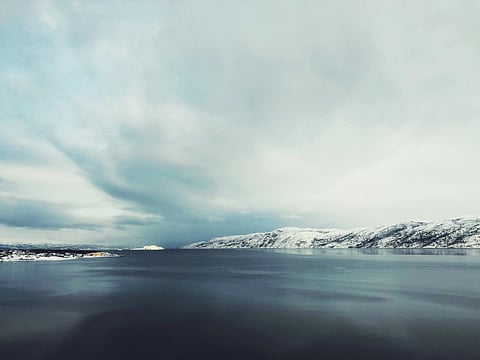
Head west along Norway’s Arctic coast to Alta, where wide horizons, a dry inland microclimate and historic aurora observatories make for consistently strong viewing. Alta is served by Alta Airport with connections from Tromsø and Oslo; visitors often combine a short domestic flight with local excursions that drive out of town towards the surrounding tundra. The landscape here is open and low, which means the aurora often appears as vast, sweeping bands that mirror across frozen lakes and wide valleys, and staying at one of the local lodges gives you instant access to dark skies minutes from your door.
Advertisement
Alta, Norway Sergei Merzliakov/Unsplash
Abisko, Sweden: Clear-Sky Aurora At The Sky Station
A short hop across the border into Swedish Lapland brings you to Abisko, a village famous among photographers for reliably clear skies and the Aurora Sky Station perched above Lake Torneträsk. Reach Abisko by train from Kiruna or by car through Arctic scenery, then take the chairlift to the Sky Station for a raised, almost theatre-like view of the aurora against the massif known as Lapporten. The combination of a microclimate that often clears clouds and dark, reflective stretches of water makes Abisko a place where the lights can feel close enough to touch.
Reykjavik & Beyond, Iceland: Volcanic Backdrops And Easy Access
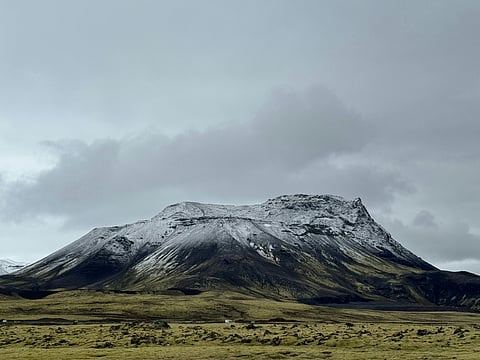
Iceland’s capital, Reykjavik, doubles as a convenient urban base and a launch point for aurora nights that often require only a short drive to darker sites. International flights land at Keflavík, and a one-hour transfer brings you into Reykjavik, where Perlan and nearby hilltops like Öskjuhlíð offer elevated, city-adjacent vantage points. For a wilder experience, head a little farther to Thingvellir or the coastal peninsulas, where the open horizons and volcanic landscapes create stark foregrounds for luminous green curtains. Iceland’s accessibility and road networks make self-driving or short guided tours a practical choice.
Advertisement
Mountains in Iceland Rebekah Whitney/Unsplash
Fairbanks, Alaska: Under The Auroral Oval
Across the Atlantic, Fairbanks in Alaska sits almost directly under the auroral oval and is a long-standing favourite for aurora hunters. Fairbanks is served by Fairbanks International Airport, and many packages include hotel pick-up to take guests to dark viewing roads and lodges outside town where the sky opens up over the boreal forest and frozen rivers. The interior’s long winter nights and frequent strong displays mean you can sometimes watch auroral activity even from vantage points within town, though small-group guides will move you to clearer skies for the best colours and photographic opportunities.
Yellowknife, Canada: Intense Auroras Over Great Slave Lake
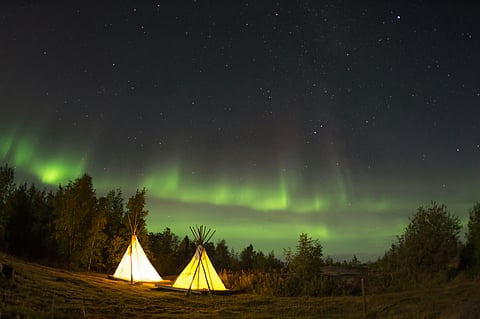
Yellowknife in Canada’s Northwest Territories is synonymous with aurora tourism thanks to stable cold snaps and low light pollution on the southern shores of Great Slave Lake. Yellowknife Airport connects with larger Canadian hubs, and guided operators will often drive a short distance from the city to purpose-built viewing areas and heated domes on the Ingraham Trail. The aurora here frequently paints the sky in intense ribbons and waves above mirror-smooth ice, and facilities focused on comfort and photography make Yellowknife a turnkey option for travellers who want predictable logistics paired with dramatic nocturnal panoramas.
Advertisement
Aurora in Yellowknife Canada Ken Cheung/Unsplash
Kangerlussuaq, Greenland: Pure Arctic Darkness And Ice-Cap Views
For a raw Arctic experience, Kangerlussuaq in Greenland is surprisingly easy to reach by scheduled flights and offers minimal light pollution and long, clear nights. From the town, you can join short drives out to the plain that looks toward the ice cap and the fjords where curtains of light are often framed by stark glacial silhouettes. Kangerlussuaq’s inland position and stable winter weather make it a strong bet for clear-sky sightings and also a practical gateway if you plan to combine aurora watching with glacier excursions or Inuit cultural experiences.
Scotland (Shetlands, Highlands, Hebrides): Rare But Spectacular Northern Skies
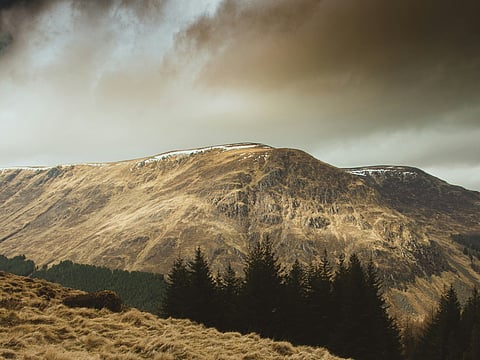
Scotland provides a different kind of noctourism where sudden auroral shows can appear over moors, lochs and islands and reward those willing to watch the north with patience. Northern pockets such as the Cairngorms, the far west coast near Ullapool and remote island groups like the Shetlands and the Outer Hebrides are accessible by a mix of regional flights, ferries and scenic drives. When the geomagnetic conditions are right, the aurora may bloom in greens and pinks over heathered hills and coastal cliffs, an intense but less frequent spectacle that pairs well with local dark-sky initiatives and stargazing weekends.
Advertisement
Cairngorms, Scotland, United Kingdom James Dant/Unsplash
No single place guarantees a sighting, but smart planning raises your odds. Aim for mid-September through early April across most northern locations, check local aurora forecasts and cloud cover, and choose lodges or local guides who will move you away from light pollution if the sky closes over. Whether you prefer fjord reflections in Norway, the theatre-like lift at Abisko, Iceland’s volcanic silhouettes, the boreal quiet of Alaska and Canada, or Greenland’s ice-framed panoramas, these eight spots offer distinct nocturnal stages for 2025’s aurora season.
FAQs
1. What are the best places to see the Northern Lights in 2025?
Top choices include Tromsø, Alta, Abisko, Reykjavik’s outskirts, Fairbanks, Yellowknife, Kangerlussuaq, and Scotland’s northern regions.
2. When is the best time to view the Northern Lights?
Most northern destinations offer peak aurora viewing between mid-September and early April, when nights are long and skies are clearest.
3. Which aurora destination is easiest to reach for first-time travellers?
Tromsø, Reykjavik and Fairbanks provide excellent access, strong infrastructure, guided tours, and reliable viewing conditions for beginners.
Advertisement
4. Why is Abisko known for clear-sky aurora sightings?
Its unique microclimate often clears local clouds, and the Aurora Sky Station gives elevated, unobstructed views ideal for photography.
5. Do I need a tour guide for aurora chasing?
Guides are recommended as they track cloud cover, know dark-sky locations, and increase your chances of seeing strong auroral activity.
Published At: