On Naoshima, a museum can disappear into a hillside, a pumpkin can become a landmark, and a stretch of empty space can command as much attention as a sculpture. In Japan’s Seto Inland Sea, this small island has reimagined the experience of encountering art, bringing contemporary works into conversation with its architecture, fishing villages and coastal landscape.
Naoshima, Japan’s Art Island Through Museums, Architecture And Stays
From Tadao Ando’s subterranean museums and Lee Ufan’s contemplative sculptures to Yayoi Kusama’s iconic red pumpkin, discover how Naoshima brings contemporary art into conversation with Japan’s coastal landscape

Advertisement
Once shaped by industrial activity and environmental pollution, Naoshima began its redevelopment into an artistic destination in 1989, through an initiative led by businessman Soichiro Fukutake. Today, part of the wider Benesse Art Site Naoshima project, the island in Kagawa Prefecture is home to museums, outdoor installations and village-based art projects. The experience here is less about ticking off galleries and more about discovering how art could shape your perception of a place.
Lee Ufan Museum
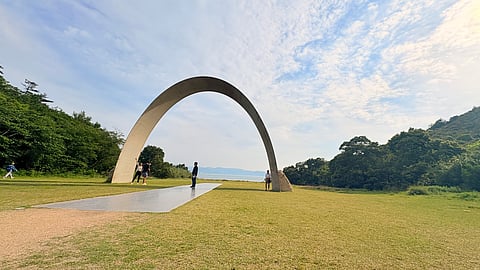
Lee Ufan: Questioning ‘Being’ and ‘Space’ Finding Naoshima
The Lee Ufan Museum is a place where the Korean-born artist’s spare, contemplative works explore the relationship between natural and man-made materials. Associated with Japan’s Mono-ha (School of Things) movement, Lee often places stone, steel and empty space in dialogue, leaving room for the viewer to consider what lies between them. This was a movement that emerged in Tokyo in the 1960s when artists started rejecting traditional representations of art for more raw, unaltered, natural industrial materials such as stone, wood, steel, etc.
Advertisement
Designed by architect Tadao Ando, the museum is partly embedded in a hillside, its restrained concrete architecture complementing the work within. Outside, Lee’s monumental Porte Vers l’Infini (Gate to Infinity) creates a striking encounter between steel, stone and the open sea. Rather than overwhelming its surroundings, the sculpture draws attention to them. The museum offers a useful insight into Naoshima’s artistic sensibility. The significance of an art piece may lie as much in its relationship with its surroundings as in the materials from which it is made.
Information:
Tickets: Approximately INR 720 online; INR 840 on-site
Timings: 10 am–5 pm; last admission at 4:30 pm
Closed: Mondays, except public holidays, when the closure generally shifts to the following day.
Address: 1390 Azakuraura, Naoshima, Kagawa 761-3110, Japan.
Website: benesse-artsite.jp/en/art/lee-ufan.html
Chichu Art Museum
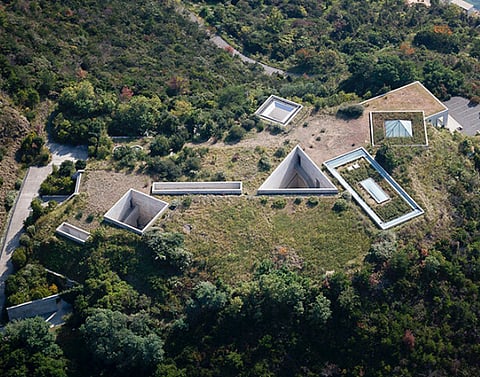
Chichu Art Museum is designed by Tadao Ando Finding Naoshima
Chichu Art Museum, also designed by Tadao Ando, is built largely underground to preserve the island’s natural landscape. Opened in 2004, the museum’s architectural vision was to use geometric courtyards, concrete passageways and carefully controlled natural light to shape the visitor’s experience.
Advertisement
Its permanent collection features Claude Monet, James Turrell and Walter De Maria. Monet’s Water Lilies paintings occupy a gallery designed around light and space, while Turrell’s installations challenge perceptions of colour, darkness and depth. The living installation "Chichu Art Garden," which features 200 plant kinds cultivated by the artist in his grounds in Giverny, also makes tribute to Monet. The centerpiece was created by American sculptor Walter De Maria.
Information
Tickets:
- Weekdays: approximately INR 1,500 online; INR 1,680 on-site
- Weekends and public holidays: approximately ₹1,620 online; ₹1,800 on-site
Timings: 10 am–5 pm; last admission at 4 pm
Closed: Mondays, except public holidays, when the closure generally shifts to the following day.
Address: 3449-1 Naoshima, Kagawa 761-3110, Japan.
Website: benesse-artsite.jp/en/art/chichu.html
The Island Beyond Its Museums

Naoshima Art House Project Finding Naoshima
Naoshima’s creativity extends into its villages and waterfront. In Honmura, the Art House Project transforms existing buildings into permanent installations. Traditional houses and other structures become spaces for contemporary art, creating encounters that feel embedded in the neighbourhood rather than separated from everyday life.
Advertisement
Information
Art House Project
Tickets:
- Five-house combination ticket: approximately INR 720 online; INR 840 on-site
- Single-house ticket: approximately INR 360 online; INR 420 on-site
The combination ticket excludes Minamidera and Kinza, which require separate tickets.
Timings: Generally 10 am–4:30 pm, with individual sites having different schedules.
Closed: Mondays, except public holidays, when the closure generally shifts to the following day.
Address: Honmura Lounge & Archive, 850-2 Naoshima, Kagawa 761-3110, Japan.
Website: benesse-artsite.jp/en/art/arthouse.html
The ANDO MUSEUM, also in Honmura, offers a more intimate architectural experience. Within a traditional wooden building, Ando has introduced concrete and contemporary design, bringing contrasting periods and materials into conversation. At Miyanoura Port, Yayoi Kusama’s red, polka-dotted pumpkin has become one of the island’s defining landmarks. Further along the coast, Naoshima Bath, designed by artist Shinro Ohtake, turns a public bathhouse into an exuberant work of art. These are places to experience the island’s creative spirit outside conventional gallery spaces.
Advertisement
Information
ANDO MUSEUM
Tickets: Approximately INR 360 online; INR 420 on-site
Timings: Generally 10 am–1 pm and 2 pm–4:30 pm; last admission at 4 pm
Closed: Mondays, except public holidays, when the closure generally shifts to the following day.
Address: 736-2 Naoshima, Kagawa 761-3110, Japan.
Website: benesse-artsite.jp/en/art/ando-museum.html
Stay Where Art Meets The Sea

Benesse House Finding Naoshima
To experience Naoshima after the day-trippers leave, consider Benesse House, a museum and hotel designed by Ando that opened in 1992. Overlooking the Seto Inland Sea, it brings artworks into its architecture and surrounding grounds, allowing guests to experience the collection in close conversation with the landscape.
The property has different accommodation areas, including Museum, Oval, Park and Beach, each offering a distinct setting. Staying here also makes it easier to explore the Benesse House area at a more relaxed pace. For a more local experience, guesthouses around Honmura and Miyanoura offer a base closer to village streets, ferry connections and everyday island life. Accommodation on Naoshima is limited, so advance booking is advisable, especially during busy travel periods.
Advertisement
Information
Benne House Museum
Tickets: Approximately INR 780 online; INR 900 on-site
Timings: 8 am–9 pm; last admission at 8 pm
Closed: Generally open year-round, subject to exceptional closures.
Address: Benesse House Museum, Gotanji area, Naoshima, Kagawa 761-3110, Japan.
Website: benesse-artsite.jp/en/stay/
Plan A Slower Island Escape
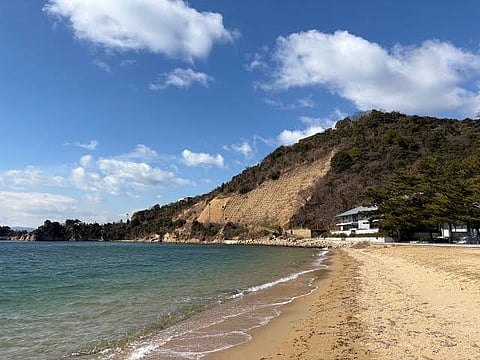
Benesse House Museum Finding Naoshima
Ferries connect Naoshima with Uno Port in Okayama Prefecture and Takamatsu Port in Kagawa Prefecture. On the island, local buses, bicycles and the free shuttle serving the principal Benesse museum area help visitors get around. Check ferry timetables, museum closing days and ticket requirements before travelling.
One day can cover selected highlights, but an overnight stay allows time to explore the villages and appreciate the landscape between visits. Reserve popular museums first and leave room for unplanned stops. Naoshima’s real achievement is not simply its concentration of remarkable art. It is the way a sculpture can make the sea feel newly expansive, or a concrete corridor can sharpen your awareness of light. Come for the museums, but stay for the moments in between.
Advertisement
FAQs
1. What is Naoshima famous for?
Naoshima is known for its contemporary art museums, distinctive architecture, outdoor installations and the integration of art with its coastal landscape. It is part of the wider Benesse Art Site Naoshima project.
2. Which museums should you visit on Naoshima?
Chichu Art Museum, Lee Ufan Museum, ANDO MUSEUM and Naoshima New Museum of Art are among the island’s key cultural attractions. Each offers a different perspective on contemporary art and architecture.
3. Where can you see Yayoi Kusama’s red pumpkin on Naoshima?
Yayoi Kusama’s iconic red pumpkin stands near Miyanoura Port. Its bright red surface and black polka dots have made it one of the island’s most recognisable landmarks.
4. Where can you stay on Naoshima?
Benesse House offers a distinctive stay combining a museum, contemporary art and views of the Seto Inland Sea. Guesthouses around Honmura and Miyanoura provide alternatives closer to local neighbourhoods and ferry connections.
Advertisement
5. How do you reach Naoshima, Japan?
Naoshima is accessible by ferry from Uno Port in Okayama Prefecture and Takamatsu Port in Kagawa Prefecture. Visitors can explore the island using local buses, bicycles and the free shuttle serving the principal Benesse museum area.
Published At: