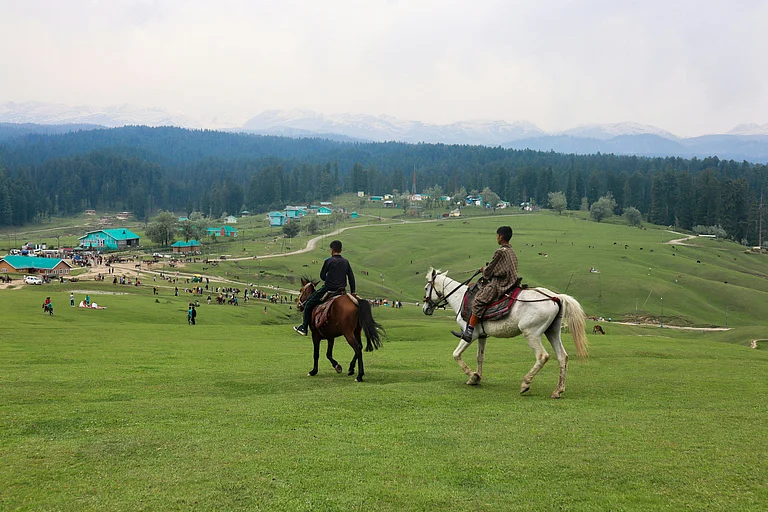
Winter in Kashmir is a realm of ethereal beauty, where snow-laden valleys, frozen lakes, and cedar forests cloaked in white invite trekkers into a serene, otherworldly landscape. The region caters to both novices and seasoned adventurers: beginner-friendly trails like Marchoi offer panoramic views without extreme exertion, while higher-altitude routes, such as sections of the Kashmir Great Lakes trek, test endurance with deep snow, icy paths, and the ever-present risk of avalanches—requiring experience, permits, and specialized gear. Trekkers can expect crisp, biting air, tranquil surroundings untouched by the summer crowds, and vistas that shift from powdery meadows to solid turquoise lakes framed by towering Himalayan peaks. Each step through this winter wonderland is an invitation to immerse oneself in silence, solitude, and sublime natural beauty.
Escape Into Snow: 7 Winter Treks Across Kashmir’s Himalayas
From snow-dusted meadows to frozen alpine lakes, Kashmir offers winter treks that mesmerise all adventurers. Here are seven treks, ranging from beginner-friendly paths to high-altitude challenges for experienced trekkers

Explore The 7 Most Breathtaking Winter Treks In Kashmir
Marchoi Valley Trek
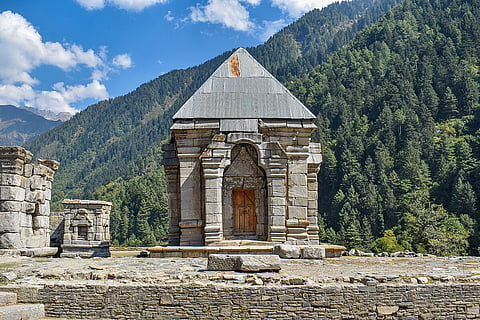
The Marchoi Valley trek, starting from the charming village of Naranag, is a serene Himalayan adventure that appeals to both novice trekkers and those seeking quiet natural beauty. Meandering through dense pine and silver birch forests, along river valleys, and across snow-draped meadows, the trail offers a perfect blend of exploration and tranquility. In winter, the valley transforms into a sparkling wonderland, with frozen streams, icicles, and pristine white landscapes that frame breathtaking views of peaks such as Mt. Harmukh and Kotwal Peak. Along the way, trekkers encounter historic sites and remote cultural hamlets, making each step as enriching as it is visually spectacular.
What To Expect
The trek’s scenery is dominated by powdery snow, frozen rivers, and lush forests, which in winter create a quiet, almost untouched atmosphere. The trail leads to panoramic vistas from Marchoi Top (also called Shadimarg Top), where 360-degree views of the Himalayan range unfold. Trekkers pass the ancient Naranag Temple ruins, a glimpse into 8th-century Kashmiri history, and have opportunities to interact with Gujjar and Bakarwal shepherds in remote villages along the way. The Dhumail campsite, at the confluence of two rivers, offers a picturesque stop that perfectly frames the surrounding meadows and mountains.
Trail Stops
The journey begins at Naranag village, with the initial stretch weaving through forests and riverside trails. Midway, Dhumail serves as the main campsite, providing both a rest point and a gateway to the deeper valley. From there, the trail ascends to Marchoi Top, the highest point of the trek, rewarding adventurers with sweeping Himalayan vistas before returning to the riverside campsite. The final stretch leads back to Naranag, completing a loop that balances nature, culture, and adventure.
Difficulty And Duration
Rated easy to moderate, the trek is well-suited for fit beginners. The terrain generally consists of gentle slopes, though the final ascent to Marchoi Top requires stamina and careful footing, especially in winter snow. The total distance is roughly 18 to 20 kilometres, with a maximum altitude of about 3,200 metres (10,500 ft). Most trekkers complete the route in four to five days, depending on pace and acclimatisation.
Tips
While Marchoi Valley is accessible year-round, hiring a local guide is strongly recommended for safety and navigation, particularly in winter conditions. Trekking permits and forest levies are usually arranged through tour operators. Beyond Naranag, cell phone connectivity is limited, so preparation is essential. Proper winter gear is crucial for cold nights and slippery paths, and a reasonable level of fitness ensures a comfortable and safe trekking experience.
Naranag–Dumail Trek
The Naranag–Dumail trek is an easy, scenic route that begins in the historic village of Naranag. The trail follows the Wangath River through dense pine forests, offering a gentle, well-defined path ideal for beginners. Dumail Valley, where two streams converge, serves as a picturesque resting point or campsite and a gateway to longer treks such as Marchoi. In winter, the landscape transforms into a tranquil snow-covered paradise, while summer brings lush greenery and wildflowers.
What To Expect
Trekkers enjoy quiet pine forests, flowing rivers, and distant Himalayan peaks, with seasonal snow enhancing the scenery. The historic Naranag Temple adds a cultural touch, while Dumail Valley provides a serene spot to pause and take in the surroundings.
Trail Stops
The trek begins at Naranag village and follows the Wangath River to Dumail, a natural convergence of streams that marks the trail’s main destination. Dumail is often used as a campsite or break point before heading to more challenging routes like Marchoi Valley.
Difficulty And Duration
Classified as easy to moderate, the trek is beginner-friendly and covers approximately 3–5 kilometres from Naranag to Dumail, taking two to three hours one way. Gentle slopes make it accessible while still offering scenic rewards.
Tips
Hiring a local guide is recommended in winter for safety on snowy or icy paths. The trek is accessible year-round, with spring and autumn offering wildflowers and fall colors, and winter providing quiet, snow-clad landscapes.
Doodhpathri Trek
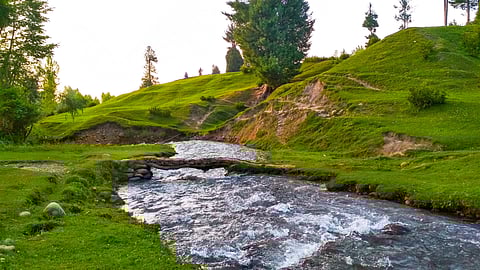
Doodhpathri, or the Valley of Milk, is a serene winter trekking destination in Kashmir, renowned for its snow-covered meadows, fir and deodar forests, and milky-white streams that give the valley its name. Gentle slopes and minimal elevation gain make it ideal for beginners and nature lovers seeking peaceful hikes amidst fairytale landscapes. The trek is easily accessible from Srinagar, making it a popular choice for day trips or as a base for longer adventures. In heavy snow, the valley transforms into a pristine wonderland, offering photography opportunities, tranquil walks, and a chance to experience Kashmir’s winter charm. Nearby Naranag complements this experience with similar snow-laden trails like the Dumail trek, providing additional options for winter trekking.
What To Expect
Trekkers can expect panoramic views of the snow-capped Pir Panjal mountains, vast meadows blanketed in white, and dense pine and deodar forests. Milky streams wind through the landscape, creating a magical backdrop. Diskhal Meadow, Ashtar Valley, and, on longer routes, lakes such as Gurwansar and Bodhsar add variety and visual splendour. The atmosphere is tranquil, perfect for leisurely exploration, photography, and immersing oneself in Kashmir’s untouched winter beauty.
Trail Stops
The trek begins in Doodhpathri village in Budgam district and offers options for both short day hikes and multi-day excursions. Diskhal Meadow is a popular stop for day treks, while adventurous trekkers can explore the longer routes to the seven lakes. The valley itself provides several scenic resting points along the streams and forested paths.
Difficulty And Duration
The terrain is beginner-friendly, with gentle slopes and easy trails. Short day hikes can be completed in a few hours, while multi-day routes extend the trek across meadows and lakes. Minimal elevation gain makes the trek accessible even for first-time trekkers and families.
Tips
No special permits are generally required for Doodhpathri. However, winter conditions can make paths slippery, and proper gear is recommended. Accessibility from Srinagar, approximately 42–55 kilometres away, makes it convenient for those looking for short winter adventures. For a complementary experience, nearby Naranag offers snow-covered trails like Dumail, ideal for easy-to-moderate winter trekking.
Tosamaidan Trek

Renowned for its vast, high-altitude meadows, Tosamaidan transforms into a winter wonderland with rolling hills, pine forests dusted in snow, and silent valleys that create postcard-perfect scenery. The combination of pristine white meadows and misty Himalayan peaks makes the experience both immersive and unforgettable, offering adventurers a chance to connect deeply with Kashmir’s untouched winter beauty.
What To Expect
Trekkers can expect expansive snow-covered meadows, quiet pine forests, and panoramic Himalayan vistas. The profound silence of the valley enhances the feeling of stepping into a fairytale, while occasional wildlife sightings and the vast openness of the maidan add to the immersive experience. Photography, nature walks, and simply absorbing the serene winter atmosphere are highlights of the journey.
Trail Stops
The trek typically starts from Naranag, which serves as both a cultural and historical gateway. From here, the trail winds across snow-laden meadows and through forests to Tosamaidan, where rolling hills and valleys create breathtaking views. The open expanse of the maidan itself serves as the main destination, with natural resting points along the way.
Difficulty And Duration
The trek is beginner-friendly, with gentle terrain and minimal elevation changes, making it accessible to most fit adventurers. Depending on pace and snow conditions, the journey from Naranag to the heart of Tosamaidan can be completed in a day or extended into a longer winter outing.
Tips
No special permits are typically required for the Tosamaidan winter trek, though hiring a local guide is recommended for winter conditions and deeper snow. Proper winter gear is essential, as temperatures drop and trails may be slippery. The trek provides a quiet, immersive alternative to busier spots, showcasing Kashmir’s raw, untouched winter charm.
Kashmir Great Lakes Winter Trek
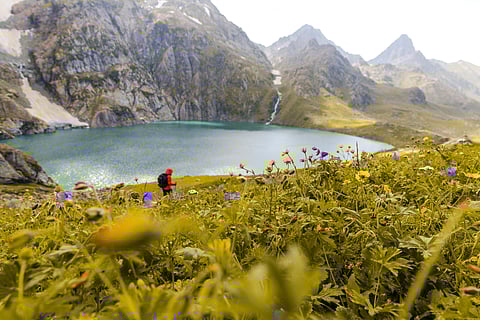
The Kashmir Great Lakes (KGL) trek is one of the region’s most spectacular Himalayan journeys, and in winter, it transforms into a frozen wonderland. Starting from the historic village of Naranag, the trail weaves through alpine meadows now blanketed in snow, climbs challenging passes, and skirts turquoise lakes that freeze into glassy mirrors of white. While the summer trek is moderately difficult, winter conditions add significant challenges, with icy paths, snow-covered trails, and sub-zero temperatures demanding proper gear, high fitness, and careful acclimatisation. For those willing to brave the cold, the KGL winter trek offers unparalleled beauty, solitude, and a rare glimpse of Kashmir’s high-altitude landscapes untouched by crowds.
What To Expect
In winter, the KGL transforms dramatically from its summer appearance. Alpine lakes like Vishansar, Krishansar, Gadsar, and Satsar freeze over, creating ethereal white expanses that contrast with snow-capped peaks and frozen valleys. The trail winds through high passes such as Nichnai and Gadsar, offering breathtaking panoramic views, crisp air, and a profound sense of solitude. Trekkers experience a surreal winter landscape where every bend reveals postcard-perfect scenes of untouched snow and glittering ice.
Trail Stops
The trek typically begins in Naranag, a historical village serving as a gateway to the high Himalayas. From here, the route traverses vast alpine terrain, crossing frozen lakes and high mountain passes. Key stops include the frozen Vishansar and Krishansar Lakes, the dramatic Gadsar Pass, and Satsar Lakes, all offering opportunities to pause, photograph, and immerse oneself in the serenity of winter Kashmir.
Difficulty And Duration
While the KGL is rated moderate in summer, early winter conditions make it significantly more demanding. Snow, ice, and low temperatures increase the physical challenge, especially on higher passes. Trekkers must be in good physical condition, experienced with cold-weather trekking, and prepared for long, strenuous days on uneven and frozen terrain. The journey can take approximately 7–9 days, depending on route choice and pace.
Tips
Winter trekking on the KGL requires proper preparation. No special permits are generally needed for the trail, but hiring a local guide is highly recommended for safety. Essential gear includes waterproof trekking boots with good grip, thermal layers, down jackets, waterproof clothing, gloves, woollen caps, sunglasses, sunscreen, trekking poles, and a reliable backpack. The trail offers raw Himalayan beauty, solitude, and a chance to witness some of Kashmir’s most stunning winter vistas, making it a challenging but unforgettable expedition.
Thajiwas Glacier Trek
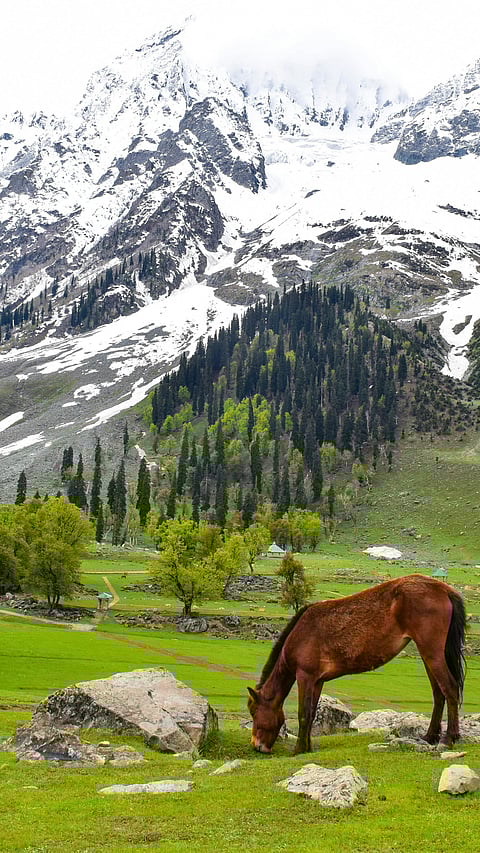
Thajiwas Glacier, located near Sonamarg, is an easily accessible trek that brings adventurers and families alike into a stunning Himalayan setting. Just three to four kilometers from town, the trail passes through lush pine forests, meadows, and alpine streams before reaching the glacier, where snow-laden landscapes and striking ice formations await. In winter, the area transforms into a postcard-perfect snowland, ideal for skiing, snow sliding, photography, and exploring frozen streams. Summer reveals vibrant greenery, blooming meadows, and crisp mountain air, making it a rewarding year-round destination. The trek is beginner-friendly, offering both scenic beauty and light adventure without the demands of high-altitude trekking.
What To Expect
Trekkers encounter snow-capped peaks, dense pine forests, flowing alpine streams, and expansive meadows. Winter brings icy formations and a serene snow-covered environment, while summer highlights green valleys and flowering landscapes. The nearby Sindh River adds to the trail’s scenic charm, providing opportunities for photography, leisurely walks, and quiet reflection amid nature.
Trail Stops
The trek begins in Sonamarg town, often visible from the local market, and winds through forests and meadows up to the glacier base at around 3,000 metres. Key spots along the route include scenic alpine streams, frozen pools in winter, and viewpoints overlooking the surrounding peaks. Pony rides are available for those seeking an easier ascent, though prices require careful negotiation.
Difficulty And Duration
Thajiwas Glacier is easy to moderate, making it suitable for beginners and families. The short three- to four-kilometre trail can be completed in a few hours, depending on pace and stops. No prior trekking experience is needed, and light physical fitness suffices for a comfortable outing.
Tips
No formal permits are required. Essential items include sturdy shoes, warm clothing in winter, and photography gear. While pony rides and local guides are available, visitors should verify costs and ensure accurate guidance. Winter snow can be deep and slippery, so trekking poles and caution are recommended. Thajiwas Glacier combines convenience, adventure, and serene natural beauty, making it a perfect quick Himalayan escape for all ages.
Tulian Lake Winter Trek
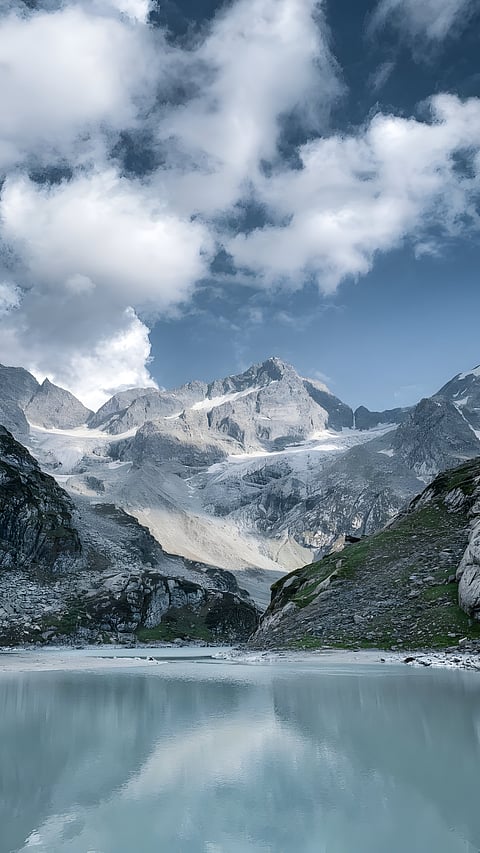
The Tulian Lake winter trek offers a breathtaking journey to a pristine high-altitude lake near Pahalgam, set against the snow-clad peaks of the Pir Panjal and Zanskar ranges. At around 12,000 ft, the turquoise waters of the lake often float with ice in winter, creating a magical alpine scene. The trek passes through lush meadows such as Baisaran, dense pine and fir forests reminiscent of European landscapes, and remote Bakarwal hamlets, providing a blend of natural beauty and cultural immersion. Winter adds a layer of serenity and snow-covered charm, transforming the area into a tranquil Himalayan escape away from summer crowds.
What To Expect
Trekkers experience dense pine and fir forests, open meadows, and the spectacular Tulian Lake framed by icy peaks. Snow blankets the trail, while cold temperatures make the final ascent more challenging but immensely rewarding. The surrounding forests and meadows, dusted in white, create a surreal, fairytale-like setting, ideal for photography, stargazing, and quiet reflection. Encounters with nomadic Bakarwal shepherds add a cultural dimension to the journey.
Trail Stops
The trek usually begins from Pahalgam or the Aru Valley, progressing through Baisaran meadow—often called “mini Switzerland”—before reaching the lake itself. Campsites under the stars along the route provide a full Himalayan experience, with resting points amidst forests, meadows, and small streams leading up to the alpine lake.
Difficulty And Duration
The trek is moderate in difficulty, with a challenging final ascent that requires stamina and careful footing, particularly in snowy winter conditions. Covering approximately 14–16 kilometres round trip, the journey typically takes 2–4 days, depending on pace and acclimatisation. Fit trekkers will find the mix of forested trails, meadows, and high-altitude terrain both engaging and rewarding.
Tips
Local guides and porters are recommended for navigation, especially in winter. Proper cold-weather gear—including thermal layers, sleeping bags, waterproof clothing, and trekking poles—is essential. Mobile connectivity is limited along the route, so preparation is necessary. Tulian Lake in winter offers fewer crowds, serene snow landscapes, and an immersive Himalayan adventure combining natural beauty, cultural encounters, and physical challenge.
FAQs
Are Kashmir winter treks suitable for beginners?
Yes, many winter treks in Kashmir feature gentle slopes and accessible paths, making them suitable for beginners. However, even easier routes require proper winter gear due to cold temperatures and potentially slippery trails.
How cold does it get during winter treks in Kashmir?
Night temperatures can drop significantly, often below freezing. Trekkers must carry high-quality winter clothing, insulated layers, and proper sleeping gear to stay warm and safe.
Are the trails slippery in winter?
Yes, snow and ice can make trails slippery and challenging. Trekking with microspikes, crampons, or shoes with good traction is strongly recommended to prevent slips and falls.
Do I need permits for winter treks?
Yes, many higher-altitude winter treks require permits, which can be difficult to obtain. It’s best to check in advance and arrange permits through authorized tour operators.
Are avalanches a concern during winter treks?
High-altitude routes carry increased avalanche risk in deep winter. Some trails may become dangerous or impossible, so trekkers should monitor conditions carefully and follow guidance from local experts.