Tucked away in the serene Western Ghats of Maharashtra lies Shivthar Ghal, a hidden gem that offers both spiritual solace and a glimpse into India’s rich historical tapestry. For travellers seeking a blend of nature, history, and spirituality, this is a destination that feels like stepping into another era.
Discovering The Mystical Shivthar Ghal In Maharashtra
Hidden deep in Maharashtra’s Western Ghats, Shivthar Ghal is a scenic and spiritual retreat. Known for its connection to Samarth Ramdas and his work Dasbodh, it attracts travellers seeking peace and natural beauty

Advertisement
A Cave of Historical and Spiritual Significance
Shivthar Ghal in Maharashtra is not just a scenic marvel—it holds profound historical significance. The cave is famed for its association with Samarth Ramdas, the 17th-century saint and poet who was a guiding force for the Maratha king Chhatrapati Shivaji. It is said that Ramdas composed parts of his magnum opus, Dasbodh, here, imbuing the cave with a palpable spiritual aura. The rock walls, echoing the chants of centuries past, create a serene atmosphere that invites quiet reflection.
Nature’s Retreat
The approach to Shivthar Ghal is as enchanting as the destination itself. Surrounded by lush greenery, the trail is dotted with streams, waterfalls, and dense forests typical of the Western Ghats. Monsoon season transforms the landscape into a verdant paradise, with the sound of cascading water adding a musical accompaniment to your trek. Photographers and nature enthusiasts will find countless opportunities to capture the ethereal beauty of this region.
Advertisement
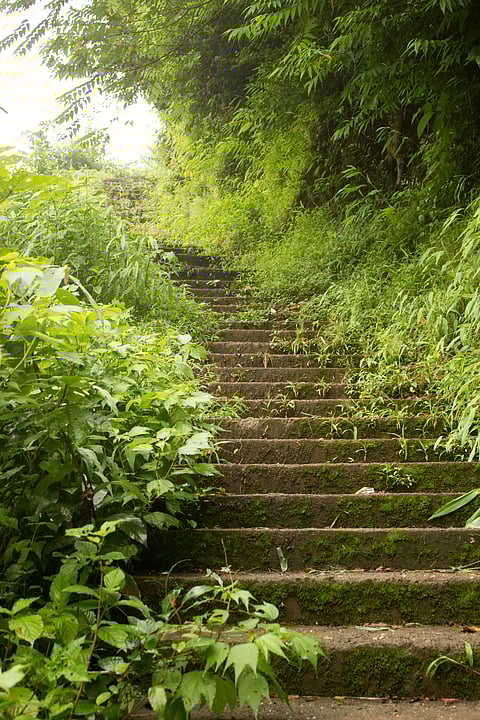
Photographers and nature enthusiasts will find countless opportunities to capture the ethereal beauty Shutterstock
Nearby Attractions
Shivthar Ghal is ideally located for travellers who want to combine spirituality with history and nature. The surrounding region of Raigad district and the Sahyadri ranges offers a rich mix of forts, temples, and scenic spots.
Raigad Fort
Just a short drive from Mahad, Raigad Fort is the historic capital of Chhatrapati Shivaji Maharaj. Perched atop a hill, it offers panoramic views of the Western Ghats and the Konkan plains. The fort is dotted with palaces, watchtowers, and temples, making it a must-visit for history enthusiasts and trekkers alike.
Janjira Fort
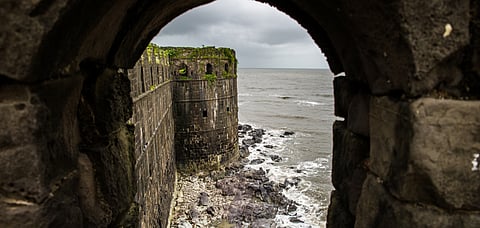
A view of the Arabian Sea from Janjira Shutterstock
On the coast near Murud, Janjira Fort is a sea fort that stands majestically amidst the Arabian Sea. Accessible by boat, it is famed for its massive walls, strategic location, and tales of naval battles. A visit here adds a coastal adventure to your Sahyadri journey.
Mahad City and Karanjgaon Temples
Mahad, the nearest town to Shivthar Ghal, offers local temples, bustling markets, and historic sites. The Karanjgaon temples nearby provide insight into regional architecture and local devotional practices, offering a peaceful contrast to the natural landscape.
Advertisement
Waterfalls and Trekking Trails
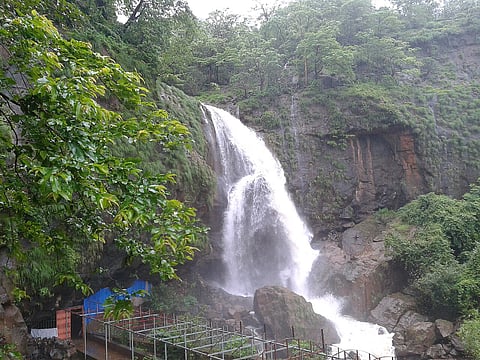
The Sahyadri ranges around Shivthar Ghal are dotted with waterfalls Sanketr3392/Wiki Commons
The Sahyadri ranges around Shivthar Ghal are dotted with smaller waterfalls and scenic trekking routes. Spots like Varandha Ghat and Panchgani plateau are perfect for day trips, offering lush greenery, misty vistas, and the chance to experience the monsoon magic of Maharashtra.
Konkan Coastline
For travellers looking to combine hills and beaches, the nearby Konkan coast offers pristine beaches, fishing villages, and fresh seafood. Towns like Murud and Harihareshwar provide a refreshing coastal escape just a couple of hours’ drive from Shivthar Ghal.

Sunset over Harihareshwar beach Rajarshri Mitra/ Wikimedia Commons
Where To Stay
For travellers planning to explore Shivthar Ghal and the surrounding Sahyadri region, accommodation options are simple but comfortable, reflecting the peaceful, rustic charm of the area. Most options are either managed by the Shivthar Ghal Trust itself or nearby farm stays, offering a quiet retreat amid nature. The Shivthar Ghal Trust provides basic yet clean rooms right at the site, making it the most convenient choice for those who want to stay close to the cave. For a more immersive rural experience, Aarya Farm in Bhom offers a garden setting and a tranquil atmosphere, while Anandvan Farmhouse is highly rated for its serene surroundings and quiet comfort. Nisarg Resort provides a slightly more upscale option without straying far from nature. For travellers seeking conventional hotels, the nearby towns of Bhor (towards Pune) and Mahad (Raigad side) offer additional choices, including budget and mid-range accommodations.
Advertisement
As this is a popular weekend destination, particularly during the monsoon season, it is advisable to book in advance. Most accommodations are simple and modest, reflecting the secluded, serene character of the area. Travelling by car or private vehicle is recommended, especially for those staying outside the immediate cave area, as public transport options are limited.
The Information
Best Time to Visit: October to February, when the weather is pleasant and the trail is accessible. Monsoon visitors will be rewarded with the waterfall in full flow.
Getting There: Shivthar Ghal, situated in the Varandha Ghat near Mahad, approximately 34 km away, is most easily reached by road. The nearest airports are Pune, around 100–120 km away, or Mumbai for those travelling from farther afield. Rail travellers can alight at Mahad for local access, or at Pune or Roha for broader connectivity. The area is best explored using a private vehicle, though buses are also available via Bhor or Mahad. The road is roughly 6 km off the Bhor-Mahad highway, featuring sharp twists, turns, and sometimes poor road conditions. Driving in the rain requires caution.
Advertisement
A short trek leads to the cave, suitable for families and casual hikers. Comfortable footwear and light trekking gear are recommended.
FAQs
What is Shivthar Ghal?
Shivthar Ghal is a historic cave located in the serene Western Ghats of Maharashtra, known for its spiritual atmosphere and scenic natural surroundings.
Why is Shivthar Ghal historically significant?
The cave is associated with the 17th-century saint Samarth Ramdas, who was a spiritual guide to Chhatrapati Shivaji Maharaj.
What important work was written at Shivthar Ghal?
Samarth Ramdas is believed to have composed parts of his famous work Dasbodh in this cave.
What makes the atmosphere of Shivthar Ghal unique?
The cave’s rock walls and tranquil surroundings create a peaceful environment ideal for reflection and spiritual connection.
What can visitors expect on the way to Shivthar Ghal?
The trail to the cave passes through lush forests, streams, and waterfalls typical of the Western Ghats.
When is the best time to visit Shivthar Ghal?
The monsoon season enhances the area’s beauty, transforming the landscape into a lush green paradise.
Advertisement
Published At: