


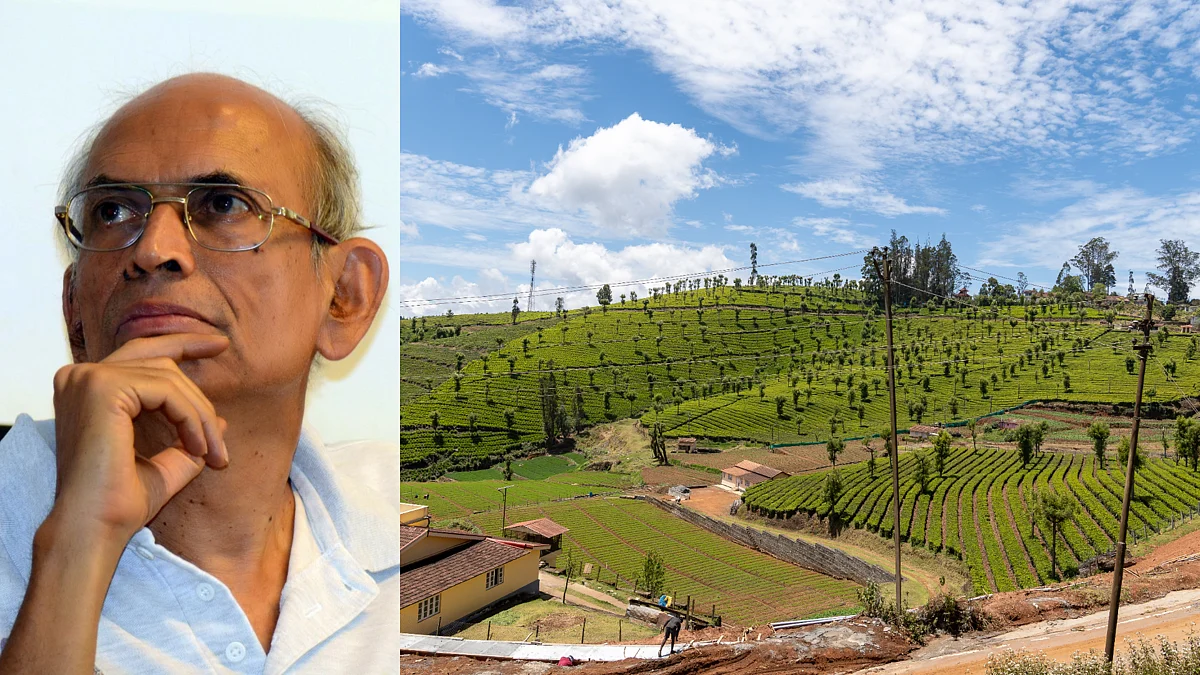
Dr Madhav Gadgil, one of the leading and most significant ecologists from India, passed away in Pune on January 7, 2026, and has left a great legacy of influential and thoughtful research. He was known around the world as a scientist for all people, believing that it would be impossible to protect nature without taking into consideration the local people's opinions on the matter.
Who Was Madhav Gadgil?
Madhav Gadgil was born on May 24, 1942, in Pune, into a family deeply engaged with ideas and public life. His father, Dhananjay Gadgil, was a well-known economist. Madhav developed an intense interest in the natural world beginning at a young age. His experiences walking in nature and meeting ornithologist Salim Ali promoted his interests in ecology throughout his life.
After completing his biology studies and obtaining a PhD from Harvard University, he made a deliberate choice to return to India. For Gadgil, the goal of science had always had a social dimension and was not meant to be kept only in laboratory settings or on the pages of academic publications. In 1973, he accepted a position in the Indian Institute of Science (Bengaluru), where he would eventually help create important ecological research institutions such as the Centre for Ecological Sciences. Over the years, Centre became one of India's leading centres for ecological research.
The Western Ghats Ecology Expert Panel And A Defining Moment
In 2010, Madhav Gadgil was appointed chairperson of the Western Ghats Ecology Expert Panel. The position put him squarely in the middle of the biggest and most controversial environmental issue in India. The panel's job was complicated. The panel members need to determine how well the Western Ghats, one of the world's largest and most biodiverse mountainous regions, are doing ecologically.
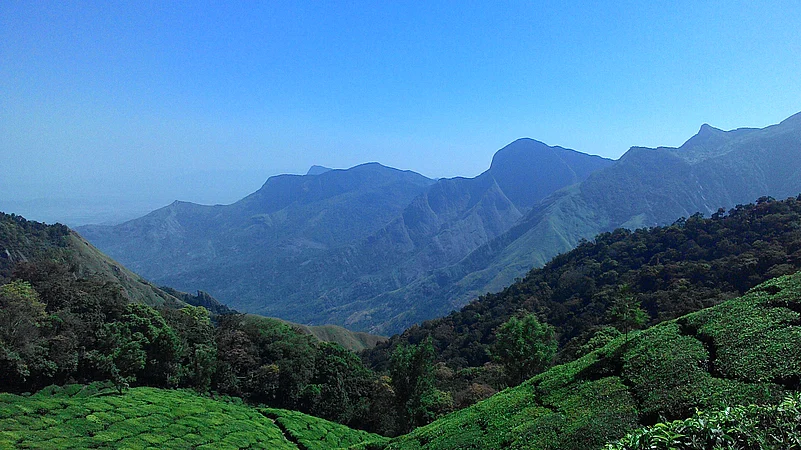

The panel’s work was based on scientific methods and public involvement. It drew upon decades of ecological research, satellite imagery, field surveys, and extensive consultations with local communities who lived and worked in the Ghats. The result was the panel’s 2011 report, a document that stood out not just for its depth, but also for its philosophy.
The report recommended that almost the entire Western Ghats be recognised as an Ecologically Sensitive Area. At the same time, it firmly rejected a blanket approach to conservation. Rather, a model of graded ecological zones was proposed. Areas requiring strict protection were identified, while other areas were determined to remain open to anthropogenic activity through regulation and management. The model sought to protect forests, rivers, wildlife corridors, and unique species, while at the same time maintaining traditional livelihoods, including agriculture, fisheries, and sustainable forest activities.
Central to the report was Gadgil’s belief in decentralised decision-making. The panel argued that local self-governments, gram sabhas, and district-level institutions should have a real say in decisions about land use, mining, dams, and major infrastructure projects. Conservation, the report suggested, should not be imposed from above. Instead, communities should become active custodians of their landscapes, supported by scientific knowledge and clear ecological limits.

The panel also provided considerable warning regarding the risks of unrestricted development. Among these were dams, open-pit mining, thermal power, tourism without regulations and rapid urbanisation, which all posed significant risks to the fragile ecosystems of the Ghats. The report highlighted that the removal of trees and the cutting of hills destabilised the slopes, impeded the movement of wildlife, and altered river systems. Thus, the report warned that these alterations were causing increased risk of flooding, landslides, and water shortages way beyond the mountain range.
The report had a very solid scientific basis. However, despite this, it was met with opposition from a large number of political parties. Many state governments believed that the recommendations of the report would hinder their economic progress and impose limits on the development of many projects. In addition, there were large commercial interests that were against the implementation of limits on mining, real estate and various major infrastructure projects. Therefore, the report, in its original form, was never put into effect and was subsequently weakened through various subsequent committees and revisions of the policies.
The Gadgil Commission’s work has had lasting implications on the discussion of environmental matters in India and has helped create an awareness that biodiversity hotspots cannot be properly managed by examining individual projects alone. Large ecosystem landscapes need to be viewed as one ecosystem. Cumulative ecological impacts must also be evaluated in order to successfully manage these valuable resources. This report is noteworthy globally as a pioneering model for combining conservation science with social justice and provides valuable lessons to other areas of the world where diverse and intact ecosystems are coupled with densely populated areas.
Many of the predictions made by the panel have been alarmingly true in the years since their publication. The occurrence of catastrophic floods, the destructive landslides, and the growing number of ecological disasters occurring in India’s Western Ghats correspond to the dangers that Gadgil warned of more than a decade ago. The ongoing existence of litigation, social movements and various policy discussions that are based on the panel's initial ideas has created a significant amount of respect and esteem for this publication, that have allowed it to remain relevant in today's environment.
A Lifelong Architect Of India’s Biodiversity Conservation Movement
In addition to conducting research on biodiversity, Madhav Gadgil was instrumental in developing India's policies regarding the management and protection of its natural environment. In an era when conservation included excluding people from protected areas, Gadgil proposed the idea that human populations sustain biodiversity rather than pose a threat to it simply through their existence.
Gadgil's development of the Nilgiri Biosphere Reserve serves as one of the most prominent examples of his contributions to biodiversity conservation. Designated in the mid-1980s, the Nilgiris were recognised for their significant wildlife, which included elephants, tigers, and numerous endangered bird species, and also for their unique blend of habitats: tropical rainforest, wet grassland, mountain streams, and human settlements. Gadgil believed that these unique landscapes could not be effectively protected with a "fortress conservation" approach. Instead, he developed an innovative model that incorporated multiple-use zones surrounding the core protected areas where research and education could occur while promoting sustainable land use and resource management. Gadgil's innovative model for the Nilgiri Biosphere Reserve also became the basis for conservation planning for many of India's other biosphere reserves.
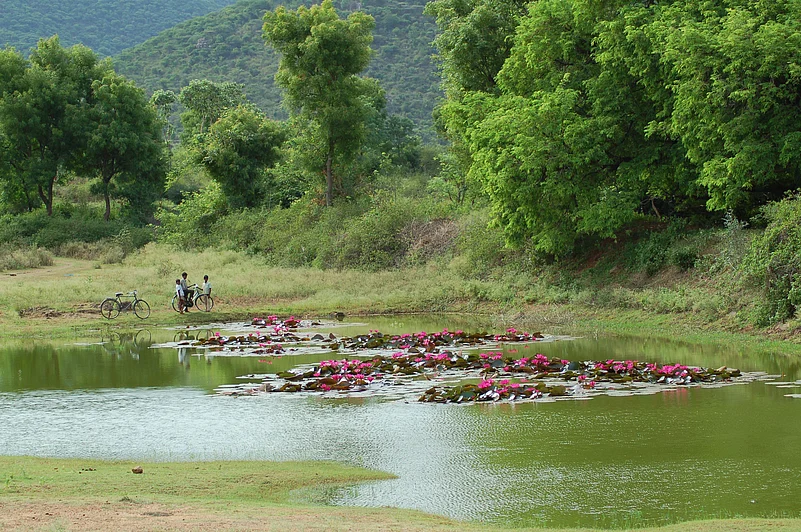
Much before the term 'Traditional Ecological Knowledge' gained currency, Gadgil was already a forerunner in documenting that the usage of sacred groves, seasonal restrictions on fishing, as well as shifting cultivation and community-based Forestry Management practices protected biodiversity over many generations. He viewed conservation as inextricably linked to culture, and not incorporating local Indigenous Knowledge would lead to ecological disaster. His philosophy directly contradicted the colonial-era Forest policies, which equate rural people and Forest-dwelling communities to 'impediments' to conservation.
His ideas shaped national policy as well. When India began framing its response to the Convention on Biological Diversity, Gadgil played an important intellectual role. The Biological Diversity Act, which came into force in the early 2000s, reflected many of his beliefs. It recognised biodiversity as a national asset while also affirming the rights of local communities over biological resources and associated knowledge. Aspects of access/benefit sharing, local community biodiversity registries and decentralised biodiversity management throughout the countryside confirmed Dr Gadgil's assertion that biodiversity conservation should be democratic and based on local stewardship. Dr Gadgil has argued for many years that wildlife conservation efforts should not only concentrate on "flagship" species such as tigers and elephants. Emphasis should also be placed on the many different types of creatures that are less commonly known, including insects, amphibians, freshwater fish and plants used for medicinal purposes; all of these types of life are critical to supporting ecosystem health and are often overlooked as critical components of biodiversity. In his research and work on the Western Ghats Biosphere Reserve, he found that this region has an enormous amount of species that only occur in this area of the world (the majority of amphibians and plants) that are found nowhere else, and that many of them are on a path to extinction before they can even be described in a scientific manner as a result of pressures such as mining, dam construction, road building and urban sprawl.
These concerns came together most visibly during his leadership of the Western Ghats Ecology Expert Panel. The panel’s findings were based on extensive data showing how deforestation, habitat fragmentation and poorly planned development were breaking wildlife corridors, drying up rivers and increasing conflict between humans and animals. Instead of seeing biodiversity loss as an environmental challenge that is far removed from people's lives, Gadgil framed the loss of biodiversity as a direct threat to food security, water supply and the resilience of millions living downstream to the effects of disasters.

Gadgil’s vision of conservation was unique because he did not view it simply as a development versus nature conflict. Rather, he proposed that conservation decisions should be based on ecological prudence with reference to the carrying capacity, ecological sensitivity of the landscape, and the long-term implications of those decisions. Again and again, he warned that ignoring these limits would lead to floods, landslides, species collapse and irreversible damage. Later events in the Western Ghats tragically confirmed many of these predictions.
Within academic circles, Gadgil reshaped how ecology was taught and practised in India. He created interdisciplinary institutions to promote dialogue between different disciplines such as ecology, wildlife biology, social science, and public policy. The ideas of many current conservation scientists, foresters and policymakers are rooted in Madhav Gadgil's emphasis on the necessity for conservation to be scientifically sound, socially just, and ethically based.
In effect, Madhav Gadgil has redefined how we view the conservation of nature as it applies to a highly populated area. His work illustrates that protecting forests, rivers, and wildlife is insignificant unless you also protect the rights of the community and preserve the uses of traditional ecological knowledge, as well as ensuring that the communities can make their own democratic decisions regarding conservation. By establishing institutions and offering policies, he provided India with a moral framework for conservation in a time of rapid developmental changes to the environment and the great uncertainty about the future health of our world.
FAQs
Who was Madhav Gadgil?
Madhav Gadgil was a leading Indian ecologist known for his people-centric approach to conservation and his work on the Western Ghats.Why was Madhav Gadgil called the ‘People’s Scientist’?
He believed environmental protection must involve local communities and decentralised decision-making rather than top-down conservation.What was the Western Ghats Ecology Expert Panel?
Chaired by Gadgil in 2010, the panel studied the ecological health of the Western Ghats and proposed graded protection zones.Why was the Gadgil Commission report controversial?
The report faced opposition from political and commercial interests who felt its recommendations would restrict development projects.What is Madhav Gadgil’s lasting legacy?
His work reshaped India’s environmental policy by integrating science, social justice and community-led biodiversity conservation.