Wellness has, for the longest time, been all about self-improvement. From perfect morning routines to productivity hacks, we have been encouraged to constantly upgrade ourselves. It has stopped being about feeling good and started feeling like another task on our to-do list. But somewhere between burnout, endless notifications, and the pressure to constantly improve ourselves, a different kind of wellness trend has emerged. Nonnamaxxing — a lifestyle trend inspired by the simple, intentional habits often associated with grandmothers.
What Is Nonnamaxxing And How It's Changing The Way We Travel And Unwind
From baking and gardening to slower routines and stronger community ties, experts say the habits behind Nonnamaxxing may support better mental health, reduced stress, and even longer lives

Advertisement
The term combines "nonna" (Italian for grandmother) and "maxxing" (internet slang for maximising a particular lifestyle). But unlike most trends that encourage doing more, Nonnamaxxing is about doing less, and doing it more mindfully. At a time when hustle culture is showing signs of fatigue, younger generations are increasingly drawn to slower, more grounded ways of living.
What Is Nonnamaxxing?
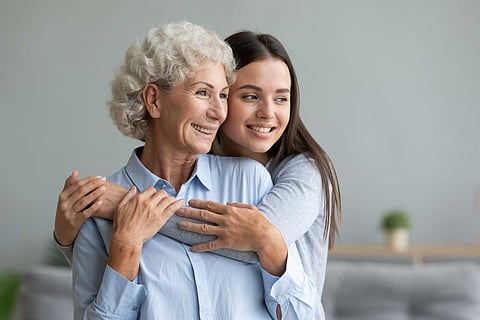
A grandmother and granddaughter share a warm moment together Shutterstock
Scroll through Instagram or other social platforms, and you'll find videos of young people baking bread from scratch, tending vegetable gardens, preserving family recipes, crocheting, reading books, or simply spending an afternoon at home. The aesthetic may be charming, but the appeal runs deeper than vintage aprons and rustic kitchens.
"Nonnamaxxing, inspired by those unhurried, purposeful kinds of lives grandmothers seem to have, is slowly becoming a cultural response to burnout and hustle culture," said Dr Anureet Kaur, consultant psychologist at Apollo One, Pusa Road.
"It leans into slow living — cooking from scratch, tending a garden, knitting and basically savouring simple routines instead of rushing through them. Psychologically, it helps because it brings back a bit of agency and present-moment awareness, so the constant pressure from productivity-obsessed lifestyles doesn't stick around as much."
Advertisement
Why Younger Generations Are Embracing Slow Living
Millennials and Gen Z have grown up in a world defined by digital overload. Between social media, economic uncertainty, information fatigue, and the expectation of being constantly available, many people feel perpetually switched on.
That may explain why a slower lifestyle is becoming increasingly attractive.
"Younger generations are really gravitating towards slower living because they have inherited a world of digital overstimulation and economic anxiety," Dr Kaur noted. "Slowing down starts to feel like reclaiming control, even if it's just in small ways."
Unlike wellness trends focused on transformation, Nonnamaxxing is rooted in maintenance. It's less about becoming a better version of yourself and more about feeling comfortable with the person you already are. There's also a growing recognition that wellbeing isn't something that can be achieved through a perfectly optimised morning routine.
This shift is also visible across the wellness industry. According to Mark Sands, Vice President Wellness at Six Senses Hotels Resorts Spas, younger generations are becoming far more intentional about their wellbeing, with a stronger focus on preventive and sustainable practices rather than performance-driven routines.
Advertisement
"What we are seeing is that younger generations, particularly Gen Z and millennials, are driving growth in wellness, influenced by social media, podcast popularity and a greater awareness of burnout," he said. "At the same time, there is growing interest in practices that help people slow down, disconnect, and be more present. Relentless hyperconnectivity and urgency culture can blur the lines between what is important and what is simply noise."
The Science Behind Slow Wellness
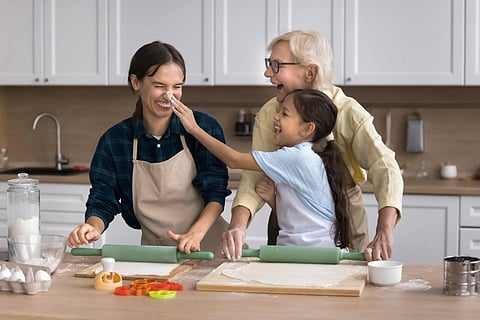
Three generations bond over baking in the kitchen Shutterstock
While Nonnamaxxing may sound like a social media trend, many of its habits are backed by science.
Activities such as baking, gardening, knitting, journaling, and cooking engage the senses and encourage focused attention. A landmark study published in the Journal of Positive Psychology followed 658 individuals and found that everyday creative tasks, such as cooking or baking, boost positive energy that lasts into the following day. Similarly, a study published in The Lancet Psychiatry highlighted that individuals engaging in at least one slow hobby are less likely to show symptoms of depression.
Advertisement
According to Dr Kaur, rhythmic, tactile activities like baking or journaling can activate the parasympathetic nervous system — often called the body's "rest and digest" mode — helping lower stress levels and cortisol production.
Anushree Nyati, Director of Swastik Luxury Wellbeing Sanctuary, added that many aspects of Nonnamaxxing align with principles observed in some of the world's longest-living populations.
"Nonnamaxxing is essentially a return to foundational lifestyle principles that promote longevity," she said, adding that activities such as cooking from scratch, engaging in low-intensity movement, and reducing stress triggers contribute to improved cellular health and reduced inflammation, both critical markers of longevity.
Sands believes this is precisely why slow wellness is gaining momentum. "Many aspects of the nonnamaxxing lifestyle are closely linked to longevity because the foundation to a long life is often laid in the everyday. The intentional food choices we make, opting for whole, nourishing foods, how we prioritise movement, restorative sleep, community and moments of stillness all contribute to long-term wellbeing."
Advertisement
He added that growing awareness around burnout, stress and poor sleep is also encouraging people to embrace slower routines. "At Six Senses, we are seeing more guests embrace practices that support a slower and more balanced way of living, whether that is breathwork, mindfulness, sleep tracking, sound healing, or movement practices."
Lessons From The World's Blue Zones
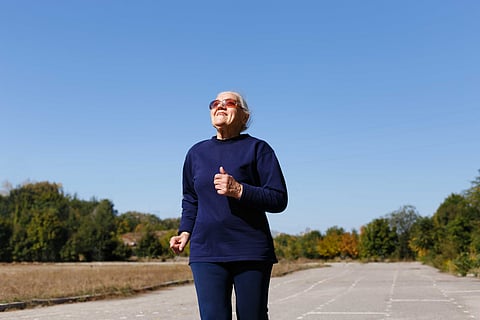
An elderly woman embraces a healthy lifestyle Shutterstock
Experts often point to the world's Blue Zones, regions where people live significantly longer and healthier lives, as examples of slow living in practice. Places such as parts of Italy and Japan share common lifestyle patterns: home-cooked meals, regular walking, strong social connections, gardening, and routines aligned with natural rhythms.
"These habits reduce the risk of lifestyle conditions such as Type II diabetes, hypertension, and cardiovascular disease," Nyati shared.
It is important to note that residents of Blue Zones aren't spending hours optimising themselves. They simply move more, eat well, stay connected to their communities, and live with less chronic stress. It reminds us that longevity is often built through everyday habits rather than dramatic interventions.
Advertisement
Why Hospitality Brands Are Paying Attention
The rise of Nonnamaxxing is also influencing travel and hospitality. Across the wellness sector, travellers are increasingly seeking slower, more intentional experiences rather than packed itineraries and high-energy schedules.
According to Nyati, guests are extending their stays and prioritising programmes that focus on mindfulness, nature, nourishment, and emotional wellbeing.
"Travellers today are seeking simplified schedules, wellness-focused activities, community-driven experiences, and spaces that encourage relaxation and routine rather than fast-paced itineraries," she said.
Sands noted that hospitality brands are increasingly recognising that travellers want experiences that help them slow down and reconnect with themselves. "Guests today are looking for experiences that help them slow down, sleep better, and reconnect with themselves in a more meaningful way. The focus today is less about packed itineraries and more about meaningful experiences that support quality of life and emotional well-being."
From digital detox programmes and meditation sessions to nature-led experiences and sound healing, hotels and wellness retreats are responding by creating experiences centred around rest, connection and personal growth rather than constant stimulation.
Advertisement
The Return Of Grandmother Wisdom
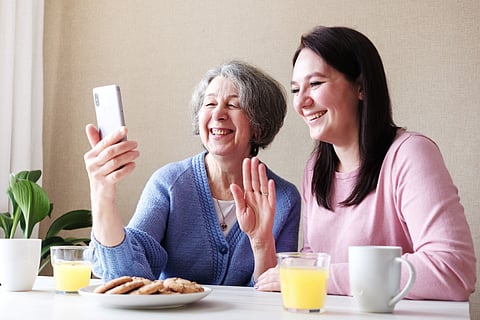
Different generations stay connected through a video call Shutterstock
Perhaps the most powerful aspect of Nonnamaxxing is its emotional appeal. In a rapidly changing world, the idea of grandmotherly wisdom evokes something deeply reassuring — stability, warmth, routine, and care.
Dr Kaur said, "Reconnecting with this idea of grandmother wisdom gives psychological safety. It brings you back to what feels stable, warm, and human in a world that is always getting more fragmented."
And maybe that's why this trend resonates so strongly.
In a culture that celebrates speed, Nonnamaxxing quietly suggests that life doesn't always need to be optimised. Sometimes wellness looks less like another productivity hack and more like a warm kitchen, flour-dusted hands, a daily walk, or a recipe passed down through generations.
The goal isn't to live in the past. It's to borrow from it.
As Sands pointed out, many of the habits that support a longer, healthier life require little more than time, awareness and consistency. According to him, it isn't about quick fixes, but about daily rituals that support overall well-being.
Advertisement
Because perhaps the secret to feeling better was never hidden in a wellness app. Maybe it was sitting at our grandmother's table all along.
FAQs
1. What is Nonnamaxxing?
Nonnamaxxing is a lifestyle trend inspired by traditional grandmotherly habits such as cooking, gardening, crafting, reading, and living at a slower pace.
2. Why is Nonnamaxxing becoming popular?
Many people, especially Millennials and Gen Z, see it as a response to burnout, digital overstimulation, and the pressures of hustle culture.
3. Is Nonnamaxxing good for mental health?
Experts suggest that many Nonnamaxxing activities encourage mindfulness, reduce stress, and support emotional wellbeing.
4. How is Nonnamaxxing connected to longevity?
The lifestyle shares similarities with habits found in Blue Zones, where people live longer through community connection, natural movement, and home-cooked food.
5. What are common Nonnamaxxing activities?
Popular activities include baking, gardening, knitting, journaling, reading, preserving recipes, and spending time in nature.
Advertisement
6. Is Nonnamaxxing just a social media trend?
While it has gained popularity online, experts believe its appeal reflects a deeper cultural shift toward slower, more intentional living and sustainable wellbeing.
Published At: