India’s network of globally recognised wetlands has grown again with the addition of two new Ramsar sites, Siliserh Lake in Rajasthan and Kopra Jalashay in Chhattisgarh. With these inclusions, the country now has 96 wetlands designated under the Ramsar Convention, placing India among the leading nations worldwide in terms of protected wetland ecosystems.
Two New Wetlands Earn Ramsar Tag, Taking India’s Count To 96
India has added Siliserh Lake in Rajasthan and Kopra Jalashay in Chhattisgarh as Ramsar wetlands, raising the country’s tally to 96. Learn what Ramsar status means, how sites qualify, and why these wetlands matter for biodiversity and communities

Advertisement
Understanding Ramsar And Why Wetlands Are Important
The Ramsar Convention on Wetlands is an international treaty adopted in 1971 with the aim of conserving wetlands and ensuring their sustainable use. Wetlands are among the most productive ecosystems on the planet. They regulate floods, recharge groundwater, support fisheries, store carbon and provide habitat to a wide range of plant and animal species, particularly migratory birds.
To qualify as a Ramsar site, a wetland must meet at least one of nine globally accepted criteria. These include supporting threatened or endemic species, hosting significant numbers of waterbirds, playing a critical role in maintaining regional biodiversity, or providing essential ecological functions. Once a site is designated, the country commits to maintaining its ecological character while balancing conservation with responsible use by local communities.
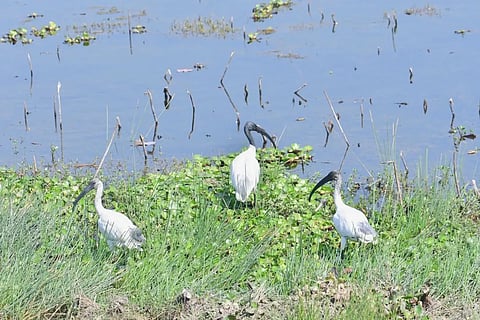
The total number of Ramsar-designated wetlands in Bihar has risen to five moefccgoi/Instagram
India became a signatory to the Ramsar Convention in 1982 and has steadily expanded its list over the past decade. The pace of new additions has accelerated in recent years, reflecting growing awareness of wetlands as frontline ecosystems in the fight against climate change and biodiversity loss.
Advertisement
Siliserh Lake, Rajasthan: Heritage And Habitat
Siliserh Lake, located in the Alwar district of Rajasthan, is India’s 96th Ramsar site. Constructed in 1845 by Maharaja Vinay Singh, the lake was originally built to supply water to the city of Alwar. Over time, it has evolved into an important ecological and cultural landmark.
Set against the Aravalli hills and close to the Sariska Tiger Reserve, Siliserh Lake supports a wide range of birdlife, aquatic species and terrestrial fauna. The wetland regularly attracts resident and migratory birds, making it an important stopover and breeding ground in the region. Its Ramsar designation recognises both its biodiversity value and its role in water security for surrounding areas.

Siliserh Lake, Rajasthan Shutterstock
The recognition is also expected to strengthen conservation planning, encourage responsible tourism and draw attention to the need for protecting heritage water bodies that continue to play a vital ecological role centuries after their construction.
Kopra Jalashay, Chhattisgarh: A First For The State
Advertisement
Kopra Jalashay in Bilaspur district marks Chhattisgarh’s first Ramsar site. The reservoir is a crucial freshwater wetland supporting migratory birds, fish populations and local livelihoods dependent on fishing and agriculture.
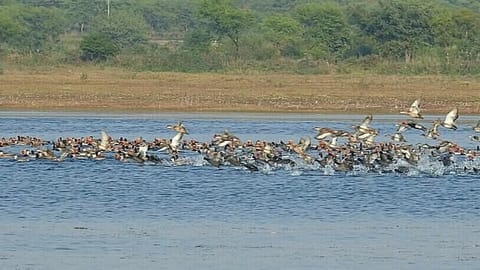
Birds at Kopra Jalashay, Chhattisgarh Instagram/forestcggov
Its inclusion highlights the ecological importance of man-made and managed wetlands, which are increasingly recognised under the Ramsar framework. Kopra Jalashay plays a significant role in sustaining biodiversity in central India and contributes to regional water management systems. Ramsar status is expected to bring better protection measures, scientific monitoring and community-based conservation initiatives to the site.
For Chhattisgarh, the designation is also symbolic, placing the state on the national and global wetland conservation map for the first time.
India’s Expanding Ramsar Footprint
India’s Ramsar journey has seen rapid growth in recent years. From having just 26 sites in 2014, the country has nearly quadrupled its count in little over a decade. Several states have added new wetlands since 2022, including Rajasthan, Bihar, Uttar Pradesh, and Tamil Nadu.
Advertisement
Earlier additions have included bird-rich wetlands, floodplain lakes, high-altitude Himalayan sites and urban water bodies. This diversity reflects the wide range of ecosystems covered under the Ramsar framework, from deserts and deltas to mountains and mangroves.

Brahmini duck in flight at Deepor Beel, Assam Shutterstock
With 96 Ramsar sites, India now ranks among the top countries globally in terms of total designated wetlands. The expanding list signals a broader policy shift that views wetlands not as wastelands but as essential natural infrastructure supporting biodiversity, climate resilience and millions of livelihoods.
As India continues to identify and protect its wetlands, the focus is increasingly on long term management, scientific monitoring and community participation to ensure these ecosystems remain healthy for generations to come.
FAQs
1. What are the new Ramsar sites added by India?
India has added Siliserh Lake in Rajasthan and Kopra Jalashay in Chhattisgarh, taking the national total to 96 Ramsar wetlands.
2. What does Ramsar status mean for a wetland?
Ramsar designation recognises a wetland’s international importance and commits the country to conserving its ecological character through sustainable management.
Advertisement
3. Why are wetlands important under the Ramsar Convention?
Wetlands help control floods, recharge groundwater, store carbon, support biodiversity and provide livelihoods to millions of people.
4. Why is Kopra Jalashay significant for Chhattisgarh?
Kopra Jalashay is Chhattisgarh’s first Ramsar site, highlighting the ecological value of the state’s freshwater wetlands.
5. How many Ramsar sites does India have now?
With the addition of Siliserh Lake and Kopra Jalashay, India now has 96 Ramsar-designated wetlands.
Published At: