Winter showed its most dramatic side in the Himalayas this week when a massive avalanche came crashing down on Sonamarg, a favourite tourist retreat in central Kashmir. The late-night incident sent a wall of snow sweeping through the area in seconds, triggering fear and panic, but officials later confirmed that there were no casualties. Even as Kashmir deals with intense snowfall and travel disruptions, neighbouring Uttarakhand has sounded avalanche warnings after fresh snow made mountain slopes increasingly unstable.
Snow Fury In The Himalayas: Sonamarg Avalanche Shocks Tourists; Uttarakhand Faces Fresh Avalanche Threat
A sudden avalanche tore through Jammu and Kashmir’s Sonamarg tourist resort, burying buildings in snow but leaving everyone safe. As Kashmir reels under heavy snowfall, Uttarakhand’s high-altitude districts remain on alert for more avalanches

Advertisement
Sonamarg Avalanche Caught on Camera
The avalanche struck Sonamarg in Jammu and Kashmir’s Ganderbal district late Tuesday night, around 10:12 p.m. CCTV visuals from the area show a huge surge of snow rushing downhill and engulfing buildings, parked vehicles and parts of the resort. The force and speed of the avalanche left little time to react, yet the outcome was unexpectedly positive. Authorities confirmed that no injuries or deaths were reported. Rescue and administrative teams were deployed immediately to assess damage and ensure there were no people trapped under the snow, as snowfall continued across the region.
The avalanche was part of a larger spell of harsh winter weather sweeping Kashmir. Heavy snowfall over the past 24 hours disrupted daily life and travel across the Valley. The Jammu–Srinagar national highway, the only all-weather road link between Kashmir and the rest of the country, was closed at several key points, including the Banihal and Navyug tunnel stretches. Air travel also took a hit, with all scheduled flights at Srinagar International Airport cancelled due to snow-covered runways. Tourists and residents were left stranded as authorities worked to restore connectivity once weather conditions improved.
Advertisement
Uttarakhand On High Avalanche Alert After Fresh Snow
While Kashmir dealt with a dramatic snow slide, Uttarakhand’s higher reaches were placed on alert as fresh snowfall increased avalanche risks. Several high-altitude districts, including Uttarkashi, Chamoli and Rudraprayag, were marked under an orange alert, signalling the possibility of dangerous avalanches due to deep and unstable snow cover. Pithoragarh district was placed under a yellow alert, where isolated and smaller avalanches cannot be ruled out. Weather officials also issued warnings for heavy rain and snowfall in these areas. Precautionary measures such as school closures and advisories asking people to avoid unnecessary movement in snow-bound zones were also prompted.
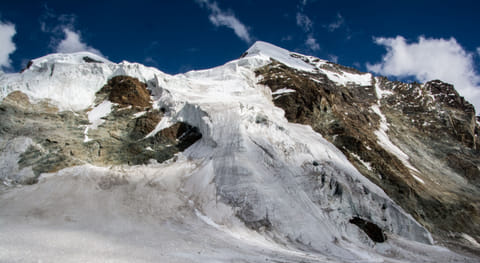
Avalanche Peak, Uttarakhand Wikimedia Commons
Why Avalanches Strike Mountain Regions
On steep slopes, layers of snow accumulate and eventually lose their ability to support themselves against gravity, resulting in avalanches. Heavy, continuous snowfall in the Himalayas contributes to already weak snow layers. Temperature fluctuations can lead to weak bonding between snow layers, while strong winds will cause uneven deposits of snow that will eventually slide. While earthquakes are natural events that can lead to avalanches, humans also contribute to their occurrence through construction projects, deforestation, movement of personnel and vehicles over the surface of snow-covered slopes; all these activities disturb the snowpack and cause it to slide. Climate change is increasingly recognised as contributing to avalanche activity due to unpredictable snowfall and repeated freeze or thaw cycles.
Advertisement
The Sonamarg avalanche and recent warnings from Uttarakhand prompt the dangers that continue to threaten the Himalayan region. With active pilgrimage traffic during the height of winter, timely warnings, frequent monitoring of at-risk areas, and calls for greater public awareness are critical to avoid disaster in one of the most fragile and unpredictable environments in India.
(With inputs from PTI and other sources.)
FAQs
What happened in Sonamarg?
A late-night avalanche swept through the Sonamarg tourist area in Kashmir, burying buildings and vehicles in snow but causing no casualties.Were tourists injured in the Sonamarg avalanche?
No injuries or deaths were reported, and authorities confirmed that everyone in the area was safe.Why is Uttarakhand on avalanche alert?
Fresh snowfall has made snow layers unstable in high-altitude districts like Uttarkashi, Chamoli and Rudraprayag, increasing avalanche risk.How does heavy snowfall trigger avalanches?
Continuous snowfall, temperature changes and strong winds weaken bonding between snow layers, causing them to slide on steep slopes.What precautions are authorities advising in snow-hit regions?
People are advised to avoid unnecessary travel, follow weather advisories and stay away from avalanche-prone zones during alerts.
Advertisement
Published At: