A rare original copy of the “Bursa Manuscript” of the Book of Dede Korkut, regarded as a key work of Turkic cultural heritage, has been put on display at the Muradiye Manuscripts Museum. The manuscript is also expected to be added later this month to the Intangible Cultural Heritage List maintained by UNESCO.
Rare Bursa Manuscript Of Dede Korkut Shown At Muradiye Museum Ahead Of UNESCO Listing
The Bursa Manuscript of the Book of Dede Korkut, one of only five known copies of the text, has gone on display at a museum in Bursa and is expected to receive UNESCO recognition for intangible cultural heritage soon

Advertisement
About The Manuscript
The manuscript surfaced unexpectedly after a private collector donated it without realising its significance, and is now considered one of the few surviving written versions of the epic tradition.
Spanning 238 pages, the Bursa manuscript brings together 12 stories, each written with diacritical marks to guide pronunciation.
Scholars say these markings are particularly significant, as they offer crucial insight into how words and phrases in the text were originally spoken and understood.
Officials say the nomination process for recognition by UNESCO has already been completed, with a favourable decision widely expected.
An Epic Tradition
The manuscript itself is a compilation of stories that capture the social codes, beliefs and heroic traditions of early Turkic societies. These narratives first circulated orally between the 9th and 11th centuries before being set down in writing in later centuries.
Advertisement
From Epic To Narrative
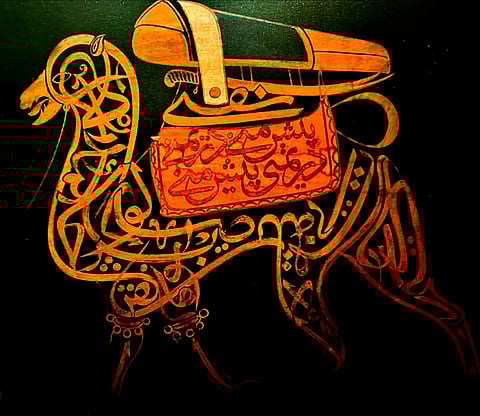
Images from the Muradiye Quran and Manuscript Museum housed in an Ottoman-era madrasa in Bursa, Türkiye. Part of the larger UNESCO World Heritage Muradiye Complex of Sultan Murad II erik.kolb/Instagram
Güney Özkılınç, head of the city history and tourism department at Bursa Metropolitan Municipality, said the Dede Korkut stories mark an early shift “from epic to narrative” in Turkish literature, in remarks to Anadolu Agency.
Recounting how the Bursa Manuscript came to light, Özkılınç said antique dealer İbrahim Koca had unknowingly acquired it while purchasing books during a visit to a village near Lake Uluabat. Some of those works were later donated to a local museum, where the text was eventually recognised. “That’s how the story begins,” he said, adding that the discovery helped introduce the manuscript to a wider audience in Bursa, Türkiye and beyond.
He added that the tales originated in oral tradition between the ninth and 11th centuries before being written down in the 15th and 16th centuries, noting that “some stories circulated orally among the people before being written down by an author”. He also emphasised the rarity of the find, describing the manuscript as “one of only five in the world”.
Advertisement
The Museum Exhibit
At the Muradiye Manuscripts Museum, the manuscript is on display in a specially prepared exhibition space. Visitors can see the original text up close. There is also a small digital room. It gives a short multimedia introduction to the stories and their historical background.
The display combines the manuscript with a digital installation. It was developed by artist Hakan Yilmaz together with Professor Evrim Olcer.
The aim is to help visitors better understand the epic’s themes. It also places the work in its wider historical context using audio and visual elements.
FAQs
What is the Bursa Manuscript of the Book of Dede Korkut?
It is a rare written copy of the Book of Dede Korkut, a major work of early Turkic storytelling and cultural tradition.
Where is the manuscript currently displayed?
It is exhibited at the Muradiye Manuscripts Museum in a dedicated exhibition space.
Why is the manuscript considered important?
Scholars regard it as one of the few surviving written versions of the text, offering valuable insight into early Turkic literary tradition and oral storytelling.
Advertisement
How was the manuscript discovered?
It surfaced after a collector unknowingly acquired it among other books, before its significance was later identified by experts.
What makes this version unique?
It contains 238 pages and 12 stories, written with diacritical marks that help clarify pronunciation and interpretation.

Published At:
Tags