Rajasthan’s Shekhawati region is known for its colourful havelis, painted walls and elaborate frescoes. Now, these historic buildings have taken an important step towards possible UNESCO World Heritage recognition. The havelis of Shekhawati have been added to the UNESCO Tentative List, bringing renewed attention to the region’s architectural and cultural heritage.
Rajasthan’s Shekhawati Havelis Added To UNESCO Tentative List
The inclusion of Shekhawati havelis on UNESCO’s Tentative List could give fresh momentum to conservation and heritage tourism in Rajasthan

Advertisement
The inclusion could also give a boost to conservation work and heritage tourism across the region.
14 Towns Included In The Proposal
The proposal covers historic havelis and other heritage properties across 14 towns in Shekhawati. These are Alsisar, Bissau, Chirawa, Churu, Dundlod, Fatehpur, Jhunjhunu, Khetri, Laxmangarh, Mandawa, Mahansar, Nawalgarh, Ramgarh and Sikar.
Located in northeastern Rajasthan, Shekhawati has one of the largest concentrations of painted havelis in the country. Many were built by wealthy merchant families and are known for their ornate façades, courtyards, gateways and beautifully painted interiors.
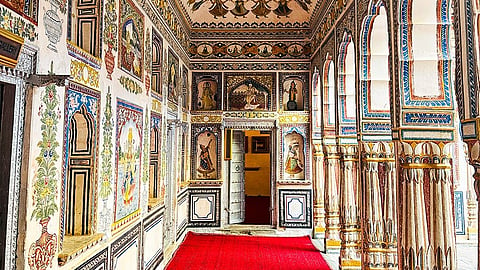
Colourful frescoes adorn a historic Shekhawati haveli Image Credit: X/@Rajasthan Tourism
The Frescoes Are The Real Highlight
The frescoes are what make Shekhawati’s havelis particularly interesting. Spread across walls, ceilings and façades, the paintings offer a glimpse into the life and times of the region.
Some show religious and mythological stories, while others feature portraits, animals, plants, traditional designs and scenes from everyday life. There are also paintings that capture the changes taking place in Shekhawati during the 19th and early 20th centuries.
Advertisement
New forms of transport, changing lifestyles and outside influences all found their way into the artwork. In many ways, the havelis work like an open-air record of the region’s social and cultural history.
Diya Kumari Welcomes The Inclusion
Rajasthan Deputy Chief Minister Diya Kumari called the inclusion an important milestone for the state. “The inclusion of Shekhawati’s historic havelis in the UNESCO Tentative List is a matter of pride for Rajasthan,” she said.
She added that the move would support efforts to preserve the region’s heritage and showcase it to a wider audience. It could also create new opportunities for heritage tourism and local communities.
Kumari also said that the Rajasthan government has been working towards the conservation, restoration and international promotion of the state’s cultural heritage, with support from the central government.
What Happens After The Tentative List?
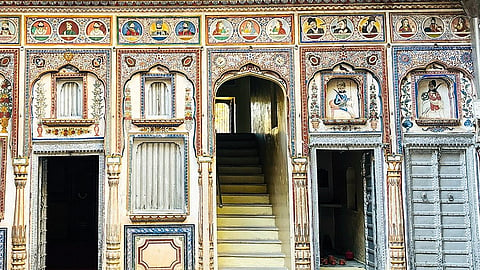
Shekhawati haveli with intricate frescoes in Rajasthan Image Credit: X/@Rajasthan Tourism
Being added to the UNESCO Tentative List is only the beginning. It does not mean that Shekhawati has received UNESCO World Heritage status.
Advertisement
A property generally needs to be on a country’s Tentative List before it can be considered for a formal World Heritage nomination. Further documentation, conservation and assessment will be part of the process.
For Shekhawati, the inclusion could bring more focus to the need to protect its historic buildings and ensure that restoration is carried out carefully.
A New Push For Heritage Tourism
Shekhawati is already part of Rajasthan’s heritage tourism circuit, with towns such as Mandawa, Nawalgarh and Fatehpur attracting visitors for their painted mansions and historic streets.
The UNESCO listing could put the region on the radar of more international travellers. It could also support local businesses and communities working in tourism, handicrafts and heritage-related services.
For Rajasthan, the move is another step towards showcasing a side of its heritage that goes beyond its famous forts and palaces. In Shekhawati, the stories of the region are painted across the walls of its old havelis.
Advertisement
(With inputs from various sources)
FAQs
1. What are Shekhawati havelis?
Shekhawati havelis are historic mansions in northeastern Rajasthan, known for ornate façades, courtyards and elaborate frescoes.
2. Have Shekhawati havelis been added to the UNESCO World Heritage List?
No. They have been added to the UNESCO Tentative List, which is a step towards possible World Heritage nomination but does not constitute UNESCO World Heritage status.
3. How many towns are included in the Shekhawati UNESCO proposal?
The proposal covers heritage properties across 14 towns in the Shekhawati region.
4. Which towns are included in the proposal?
The towns are Alsisar, Bissau, Chirawa, Churu, Dundlod, Fatehpur, Jhunjhunu, Khetri, Laxmangarh, Mandawa, Mahansar, Nawalgarh, Ramgarh and Sikar.
5. Why are Shekhawati havelis famous?
They are particularly known for their colourful façades, painted frescoes, elaborate architecture, courtyards and historic merchant mansions.
Published At: