After remaining on the drawing board for years, the greenfield Navi Mumbai International Airport (NMIA) is set to open for commercial operations on Thursday. The new airport is expected to significantly cut travel time, strengthen tourism and draw substantial investment to the surrounding areas.
Navi Mumbai International Airport Set To Open, Promises Better Connectivity And Modern Services
After years of planning, Navi Mumbai International Airport (NMIA) is set to open, offering modern facilities, local culinary experiences, and multimodal connectivity, while easing congestion at Mumbai’s main airport

Advertisement
The City and Industrial Development Corporation (CIDCO), the nodal agency responsible for executing the project, announced on Tuesday that the airport will handle 30 air traffic movements — including both arrivals and departures — on its opening day. The launch is being seen as a key step towards easing congestion at Mumbai’s existing airport and supporting long-term regional growth.
Linked By Road, Rail And Metro
A key highlight of the project is its multimodal connectivity, with seamless access planned via the Mumbai Trans Harbour Link (MTHL), National Highways, as well as suburban rail and metro networks, ensuring smooth movement for passengers across the region.
On the opening day, the airport will witness operations by several leading airlines, including IndiGo, Akasa Air, Air India Express and Star Air. IndiGo’s flight 6E 460 from Bengaluru is scheduled to be the first arrival at 8 am, while flight 6E 882 will become the inaugural departure, leaving for Hyderabad at 8:40 am.
Advertisement
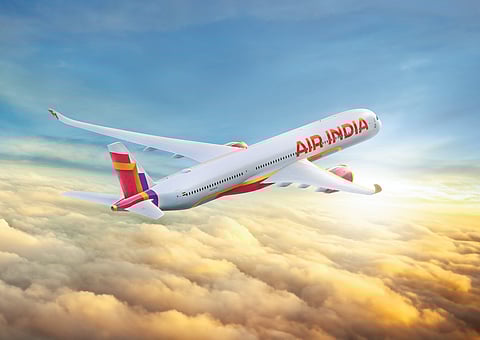
The airport will witness operations by several leading airlines, Air India
Local Flavours
According to reports, Navi Mumbai International Airport will focus on enhancing passenger experience from its opening day by highlighting local flavours and premium services. The airport will introduce Bombay Bond, a food and beverage concept featuring four Mumbai-based brands — Foo, Bombay Brasserie, Kitab Mahal Charcha and Bayroute — offering travellers a distinctly local culinary experience instead of standard global chains. The initiative is aimed at creating a sense of familiarity for both visitors and residents.
In addition, the Meet & Greet (Pranaam) Service will be launched on December 25, providing personalised assistance beyond the terminal. The service includes home pick-up and drop-off, baggage handling, wheelchair support and guided assistance through retail, dining and boarding, particularly benefiting elderly and premium passengers.
Environmental Concerns
The Navi Mumbai International Airport has drawn sustained criticism from environmentalists over its location on ecologically sensitive land. According to activists and experts, the project has resulted in the large-scale clearing of mangroves, mudflats and forest areas, causing serious harm to coastal ecosystems and biodiversity. Concerns have also been raised about the airport’s impact on flooding, as the low-lying, waterlogged terrain requires extensive reclamation, which critics fear could worsen monsoon flooding in surrounding areas.
Advertisement

Wetlands are vital ecosystems and habitats for many species. For instance, Thane Creek in Mumbai attracts thousands of migratory birds every year eye4u/Shutterstock
Environmental groups argue that the swampy nature of the site makes it inherently unstable, necessitating heavy engineering interventions. The area is also home to diverse birdlife, raising worries about habitat loss and increased risks of bird strikes. Additionally, alterations to local rivers and water bodies have prompted fears of long-term ecological and public health consequences, with critics claiming less damaging alternative sites were overlooked.
(With inputs from PTI.)
FAQs
1. When will Navi Mumbai International Airport begin operations?
The Navi Mumbai International Airport is set to commence commercial operations on Thursday, with a limited number of flights scheduled on the first day as part of a phased rollout.
2. Why is the new airport significant for the Mumbai region?
The airport is expected to ease congestion at Chhatrapati Shivaji Maharaj International Airport, reduce travel time for passengers, improve regional connectivity and support tourism and investment in Navi Mumbai and adjoining areas.
3. Which airlines will operate on the opening day?
Major domestic carriers including IndiGo, Akasa Air, Air India Express and Star Air will operate arrivals and departures on the first day of operations.
Advertisement
4. What concerns have been raised about the project?
Environmental groups have criticised the airport’s location on ecologically sensitive land, citing the loss of mangroves and mudflats, potential flooding risks, biodiversity loss and long-term ecological impacts, despite mitigation measures undertaken by authorities.

Published At: