The Central Consumer Protection Authority (CCPA) has issued a clear advisory to hotels and restaurants. They have been asked not to add extra charges like “LPG charges,” “gas surcharge,” or “fuel cost recovery” to customer bills without justification.
Hotels, Restaurants Cannot Add LPG Surcharge, Says CCPA
The Central Consumer Protection Authority (CCPA) has told hotels and restaurants not to add charges like LPG fees or fuel surcharges to bills. It said such add-ons may count as unfair trade practices under the Consumer Protection Act, 2019

Advertisement
According to the authority, these kinds of add-ons can be treated as unfair trade practices under the Consumer Protection Act, 2019. The expectation is that menu prices should already factor in all operational costs. Only applicable taxes should be charged separately.
Key Points In The Advisory
Restaurants cannot automatically add surcharges for operating costs like gas or fuel to the final bill.
Menu price is final. The price shown on the menu, plus taxes, is the maximum a consumer should pay.
Fuel, electricity, and other operating expenses must be factored into the food's listed price, not added separately.
If such charges are added, consumers can request their removal or file a complaint with the National Consumer Helpline by calling 1915 or using the e-Jagriti portal.
The CCPA warned that such practices mislead consumers and violate consumer protection guidelines, with violators facing strict action

Roadside eateries and small independent restaurants may struggle more if LPG supplies remain limited Shutterstock
Shortage Of Cylinders
Restaurants across India are dealing with a shortage of commercial LPG cylinders, with cities like Kolkata, Mumbai, and Bengaluru among the worst affected. Supply disruptions linked to tensions in West Asia have made deliveries unpredictable.
Advertisement
As a result, many eateries are cutting down their menus, operating for limited hours, or temporarily shutting parts of their kitchens. At the same time, black-market prices for cylinders have risen sharply. Industry bodies are now calling for urgent government intervention to ease the situation. Restaurant associations are urging the government to prioritise supplies for the food industry to prevent widespread closures.
Widespread Disruptions
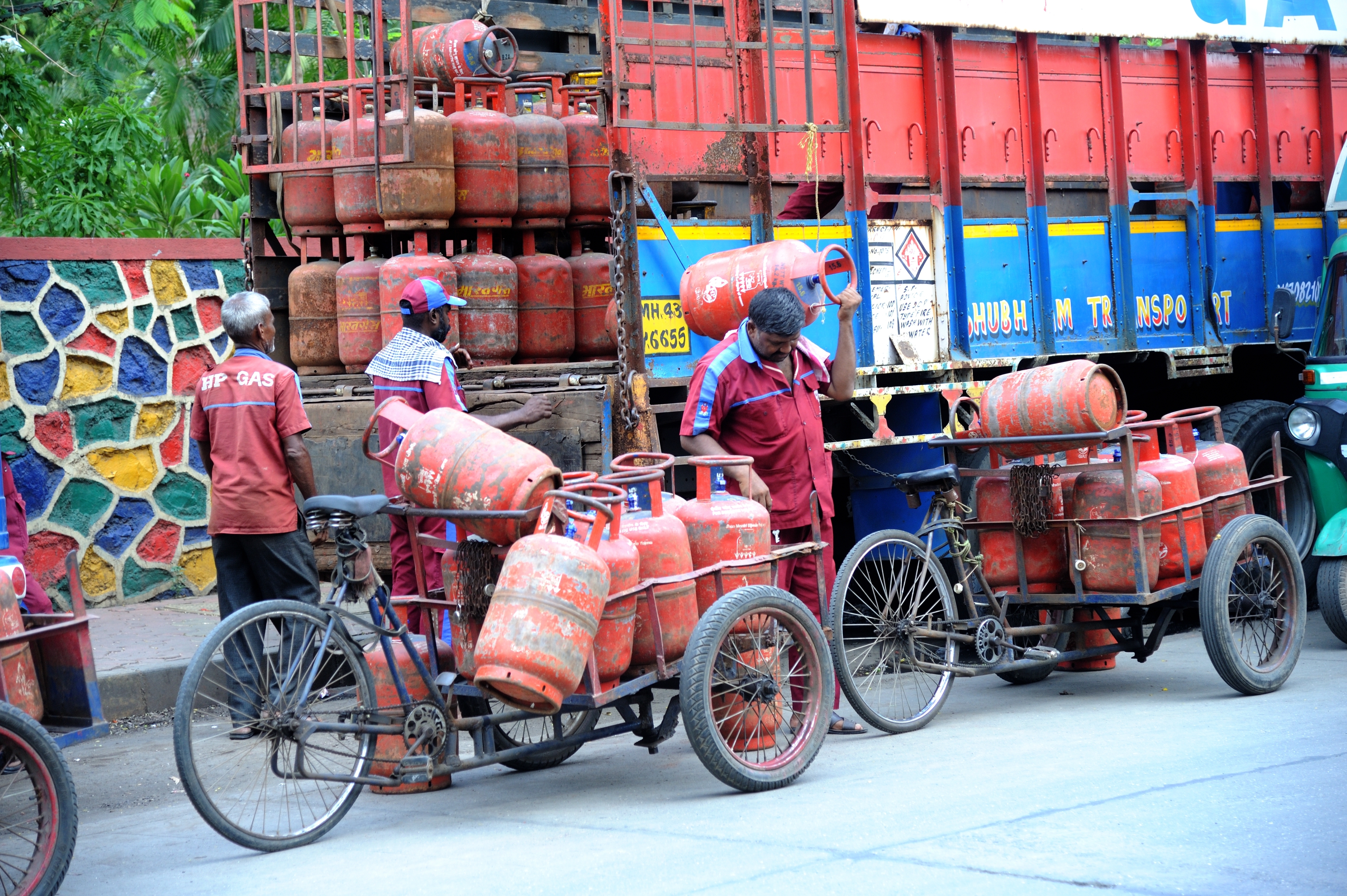
Workers transport home cooking LPG cylinders for delivery to customers in Mumbai Shutterstock
The 2026 conflict involving the United States, Israel, and Iran has triggered one of the largest global energy shocks in decades. Disruptions across the Gulf, including a near standstill at the Strait of Hormuz—which handles roughly a quarter of the world’s oil—have forced production cuts in Iraq, Kuwait, and the UAE, sending crude prices soaring and exposing the world’s deep reliance on fossil fuels.
For countries that rely heavily on imported fuel, like India, the effects have been felt right away—spiking prices, tight supplies, and growing worries over energy security. Reports suggest that hotels and restaurants across India may be forced to temporarily close as kitchens struggle with a shortage of cooking gas.
Advertisement
Industry associations and hoteliers have warned that the continued unavailability of gas, exacerbated by the ongoing West Asia conflict, could force many establishments to suspend operations.
The situation makes it clear how risky it is to depend on fossil fuels and reinforces the need to develop local, renewable energy options that are both environmentally friendly and more reliable.
Amid the West Asia energy crisis, India’s solar- and biogas-powered hotels are showing how off-grid, renewable energy can ensure resilience, sustainability, and energy independence, offering a model for hospitality in a volatile, fossil fuel-dependent world
FAQs
What has the CCPA said about extra charges?
It has asked hotels and restaurants not to add LPG, gas, or fuel surcharges to bills.
Are LPG or fuel charges allowed on restaurant bills?
No, such charges are generally not allowed as separate add-ons.
Why are these charges considered unfair?
Because menu prices should already include all operating costs, except taxes.
What law covers this issue?
The Consumer Protection Act, 2019.
Advertisement
What can customers do if they are charged extra?
They can raise a complaint with consumer authorities.
Can restaurants charge anything besides the menu price?
Only applicable taxes can be added separately.
Does this apply to all hotels and restaurants?
Yes, the advisory is meant for the entire hospitality sector.
Published At: